THE ADVENTURE COLLECTIVE® · Independent discovery and booking for outdoor travel

Spend a focused half-day at Fundación Loros, a reserve about an hour from Cartagena, helping prepare food, plant trees and learn rehabilitation techniques for tamarins, howlers, capuchins and rescued parrots. Activities are supervised and designed to support release-ready wildlife—no touching or direct feeding.
Spend a focused half-day at Fundación Loros, a reserve about an hour from Cartagena, helping prepare food, plant trees and learn rehabilitation techniques for tamarins, howlers, capuchins and rescued parrots. Activities are supervised and designed to support release-ready wildlife—no touching or direct feeding.
A humid breath of forest meets the Caribbean light as you descend from the coastal road into Fundación Loros. Breakfast at a small lake precedes the day: guides outline the biology and threats facing cotton-top tamarins, red howlers, capuchins and the parrots the reserve rehabs. The forest here is a tropical dry forest—harder-scrubbed than rainforest, with seasonal leaf drop and rocky outcrops around Cerro de los Loros that reveal long views back toward the coast.
Verified experiences and guided adventures in the surrounding area.
Operated by Fundación Loros · Cartagena, Bolívar
A humid breath of forest meets the Caribbean light as you descend from the coastal road into Fundación Loros. Breakfast at a small lake precedes the day: guides outline the biology and threats facing cotton-top tamarins, red howlers, capuchins and the parrots the reserve rehabs. The forest here is a tropical dry forest—harder-scrubbed than rainforest, with seasonal leaf drop and rocky outcrops around Cerro de los Loros that reveal long views back toward the coast.
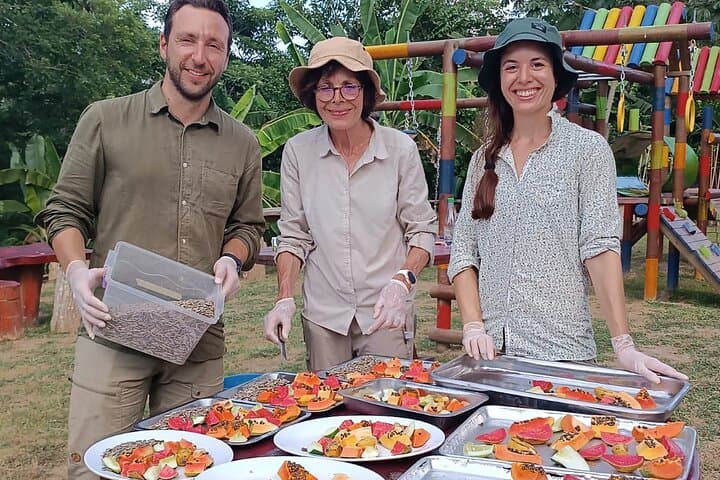
The reserve began as a grassroots response to parrot trafficking and has grown into a working sanctuary and reforestation project that blends wildlife care with local farming. Expect hands-on, supervised tasks: harvesting local cassava and papaya, preparing measured food portions (you do not feed or touch animals), and planting native seedlings to restore corridors used by recovering primates.
You’ll travel short stretches by rugged 4x4, meet farmers who practice sustainable cultivation, and learn the practical steps required to rehabilitate animals for release. The work is physically light to moderate but emotionally intense—the goal is the animals’ independence, not entertainment.
Practical guidance: wear closed-toe shoes and long sleeves for protection from sun and insects, bring a full water bottle, and follow biosecurity rules (no touching, no stray food). The program runs about four hours and is best in the morning when animals are most active. Photographs are typically allowed from a distance; always ask guides first.
This is a conservation day designed for people who want to contribute tangible help while learning the complexities of wildlife recovery on Colombia’s Caribbean fringe.
moderate.
4 hours.
Moderate fitness — able to walk short uneven trails, lift light loads and work standing for periods
No — this is a rehabilitation program; touching or feeding animals is prohibited to prevent habituation and disease transfer.
The reserve is roughly an hour from Cartagena; private transfers are typically arranged by tour operators — confirm pickup when booking.
Participants must meet minimum age requirements set by the operator and complete booking questions; minors usually require guardian consent — check at booking.
Moderate fitness is recommended: short walks on uneven ground and light physical tasks like carrying baskets and planting.
Fundación Loros grew from local efforts to rescue parrots and macaws from trafficking and has expanded into a 1,000-acre reserve combining rehabilitation and reforestation.
Activities focus on non-invasive care, habitat restoration and community-based agriculture to reduce pressure from illegal wildlife trade and support release-ready animals.
Fundación Loros operates guided outdoor trips and adventures with an emphasis on safety, stewardship, and memorable experiences.
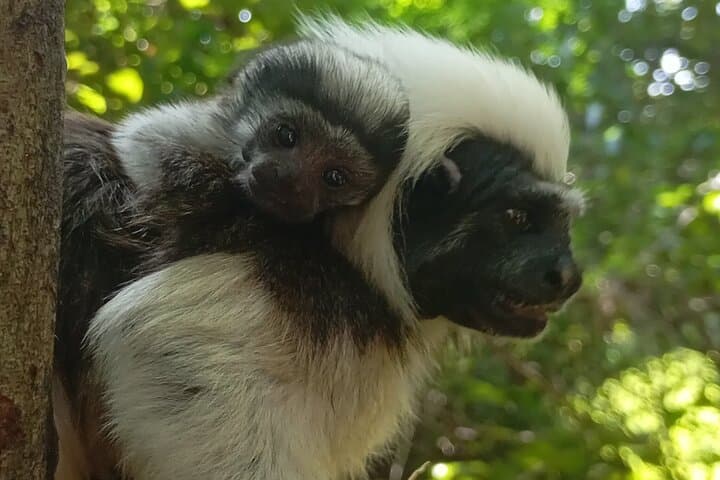
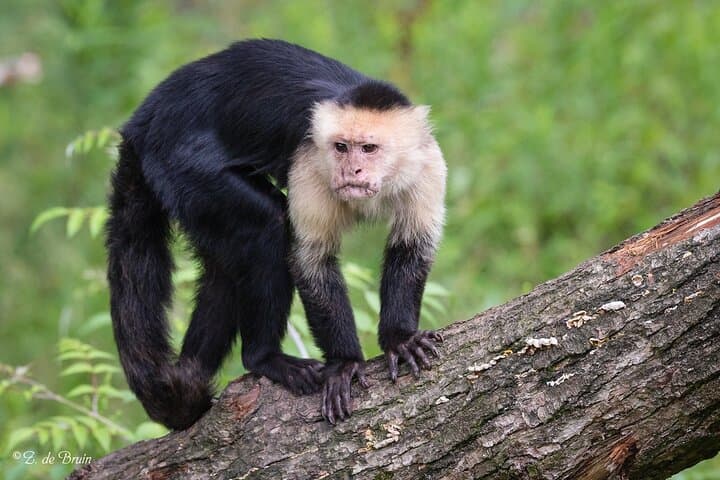
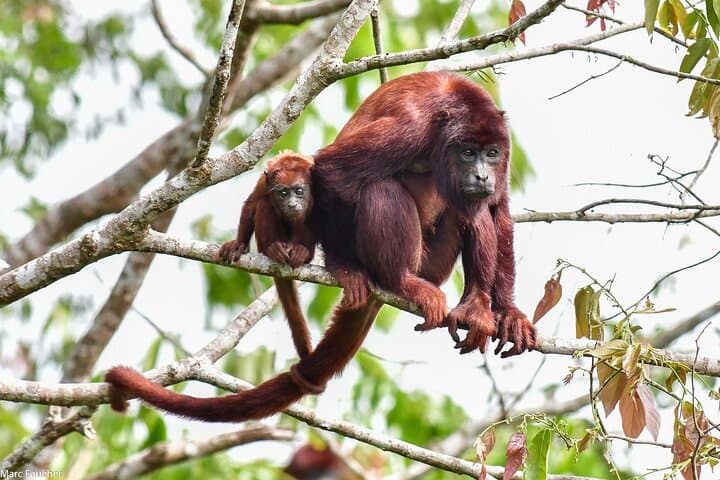
A humid breath of forest meets the Caribbean light as you descend from the coastal road into Fundación Loros. Breakfast at a small lake precedes the day: guides outline the biology and threats facing cotton-top tamarins, red howlers, capuchins and the parrots the reserve rehabs. The forest here is a tropical dry forest—harder-scrubbed than rainforest, with seasonal leaf drop and rocky outcrops around Cerro de los Loros that reveal long views back toward the coast.
A humid breath of forest meets the Caribbean light as you descend from the coastal road into Fundación Loros. Breakfast at a small lake precedes the day: guides outline the biology and threats facing cotton-top tamarins, red howlers, capuchins and the parrots the reserve rehabs. The forest here is a tropical dry forest—harder-scrubbed than rainforest, with seasonal leaf drop and rocky outcrops around Cerro de los Loros that reveal long views back toward the coast.
The reserve began as a grassroots response to parrot trafficking and has grown into a working sanctuary and reforestation project that blends wildlife care with local farming. Expect hands-on, supervised tasks: harvesting local cassava and papaya, preparing measured food portions (you do not feed or touch animals), and planting native seedlings to restore corridors used by recovering primates.
You’ll travel short stretches by rugged 4x4, meet farmers who practice sustainable cultivation, and learn the practical steps required to rehabilitate animals for release. The work is physically light to moderate but emotionally intense—the goal is the animals’ independence, not entertainment.
Practical guidance: wear closed-toe shoes and long sleeves for protection from sun and insects, bring a full water bottle, and follow biosecurity rules (no touching, no stray food). The program runs about four hours and is best in the morning when animals are most active. Photographs are typically allowed from a distance; always ask guides first.
This is a conservation day designed for people who want to contribute tangible help while learning the complexities of wildlife recovery on Colombia’s Caribbean fringe.