THE ADVENTURE COLLECTIVE® · Independent discovery and booking for outdoor travel

Spend a full day volunteering at Dujiangyan Panda Base: clean enclosures, prepare food and learn the daily routines of panda keepers. This hands-on program pairs practical tasks with guided interpretation about breeding and rewilding efforts.
Spend a full day volunteering at Dujiangyan Panda Base: clean enclosures, prepare food and learn the daily routines of panda keepers. This hands-on program pairs practical tasks with guided interpretation about breeding and rewilding efforts.
Morning light slices through bamboo as you step off the minivan onto the compact paths of Dujiangyan Panda Base. The day begins hands-on: sweeping enclosures, preparing bamboo and dough “cakes,” then pausing to watch the animals move with an ungainly patience that quickly becomes magnetic.
Verified experiences and guided adventures in the surrounding area.
Operated by China Tour Company · Dujiangyan, Sichuan
Morning light slices through bamboo as you step off the minivan onto the compact paths of Dujiangyan Panda Base. The day begins hands-on: sweeping enclosures, preparing bamboo and dough “cakes,” then pausing to watch the animals move with an ungainly patience that quickly becomes magnetic.
The base sits on the flanks of the Min River valley near the ancient Dujiangyan irrigation system and the forested slopes of Mount Qingcheng. That geography—river-sculpted terraces and nearby mountain woodland—helps support the bamboo species pandas need. The site is part of Sichuan’s broader conservation network that began in earnest in the late 20th century as breeding and reintroduction programs scaled up.
Culturally, volunteers encounter staff stories about breeding seasons, pup rearing and the strict health protocols that protect these endangered bears. Practical learning—how much bamboo to cut, why enrichment matters, how keepers limit human contact—is the day’s steady lesson.
Expect an 8-hour, moderately active day: light manual work, paved walking, and indoor briefing sessions. Wear closed-toe sneakers, plain clothing and avoid perfumes or nail polish. Bring your passport (required for booking), a lightweight rain layer in spring and fall, and modest sun protection in summer. The base limits volunteers per day and reserves the right to alter activities for animal welfare; book early and follow staff instructions. By the late afternoon you’ll leave with a certificate and a clearer sense of the logistics and ethics behind panda conservation.
moderate.
8 hours.
Suitable for people with moderate fitness who can handle light manual tasks and walking on paved paths for most of the day
No; all tasks are supervised and the base provides on-site training for volunteer duties.
Participants under 12 must be chaperoned; the program’s recommended age range is 12–65 with some exceptions handled case-by-case.
Passport name and number are required at booking for travel insurance and check-in—bring the same ID on the day.
Yes; activities may be modified for panda welfare and the base reserves the right to adjust the itinerary accordingly.
The Dujiangyan area is historically important for the 3rd-century‑BC irrigation system that shaped local agriculture; modern conservation work here builds on local knowledge of river and forest management.
The base emphasizes strict hygiene and limited human contact to protect panda health; volunteer programs are capped daily to reduce stress on animals and support rehabilitation goals.
China Tour Company operates guided outdoor trips and adventures with an emphasis on safety, stewardship, and memorable experiences.

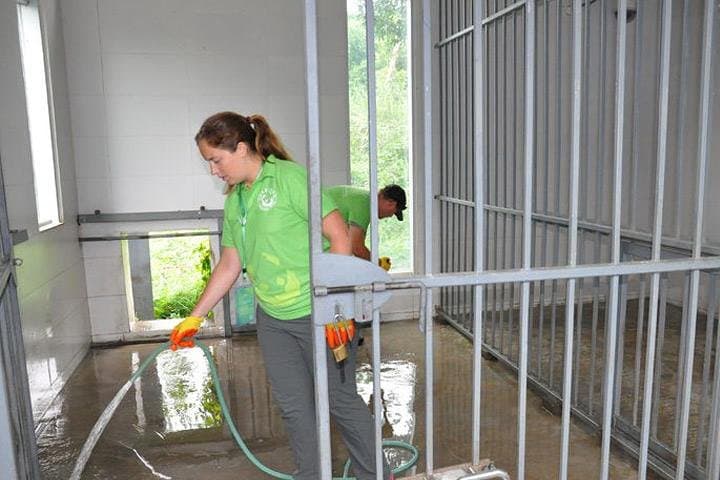

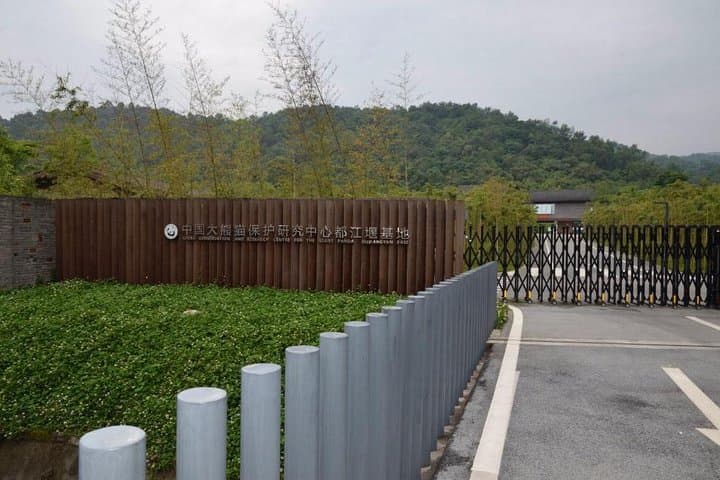
Morning light slices through bamboo as you step off the minivan onto the compact paths of Dujiangyan Panda Base. The day begins hands-on: sweeping enclosures, preparing bamboo and dough “cakes,” then pausing to watch the animals move with an ungainly patience that quickly becomes magnetic.
Morning light slices through bamboo as you step off the minivan onto the compact paths of Dujiangyan Panda Base. The day begins hands-on: sweeping enclosures, preparing bamboo and dough “cakes,” then pausing to watch the animals move with an ungainly patience that quickly becomes magnetic.
The base sits on the flanks of the Min River valley near the ancient Dujiangyan irrigation system and the forested slopes of Mount Qingcheng. That geography—river-sculpted terraces and nearby mountain woodland—helps support the bamboo species pandas need. The site is part of Sichuan’s broader conservation network that began in earnest in the late 20th century as breeding and reintroduction programs scaled up.
Culturally, volunteers encounter staff stories about breeding seasons, pup rearing and the strict health protocols that protect these endangered bears. Practical learning—how much bamboo to cut, why enrichment matters, how keepers limit human contact—is the day’s steady lesson.
Expect an 8-hour, moderately active day: light manual work, paved walking, and indoor briefing sessions. Wear closed-toe sneakers, plain clothing and avoid perfumes or nail polish. Bring your passport (required for booking), a lightweight rain layer in spring and fall, and modest sun protection in summer. The base limits volunteers per day and reserves the right to alter activities for animal welfare; book early and follow staff instructions. By the late afternoon you’ll leave with a certificate and a clearer sense of the logistics and ethics behind panda conservation.