THE ADVENTURE COLLECTIVE® · Independent discovery and booking for outdoor travel

Spend a full day volunteering at Dujiangyan Panda Base: clean enclosures, prepare food, and assist keepers while learning about panda conservation. This privately guided experience pairs hands-on work with cultural and ecological context.
Spend a full day volunteering at Dujiangyan Panda Base: clean enclosures, prepare food, and assist keepers while learning about panda conservation. This privately guided experience pairs hands-on work with cultural and ecological context.
On a cool morning, the van eases away from Chengdu and the low hills around Dujiangyan rise like a page of shaded ink. The volunteer center sits where bamboo breathes close to the path, and the day begins with uniforms and a quick biosecurity briefing; hands are guided, and the routines of the keepers set the tempo.
Verified experiences and guided adventures in the surrounding area.
Operated by China Dream Tour · Dujiangyan, Sichuan
On a cool morning, the van eases away from Chengdu and the low hills around Dujiangyan rise like a page of shaded ink. The volunteer center sits where bamboo breathes close to the path, and the day begins with uniforms and a quick biosecurity briefing; hands are guided, and the routines of the keepers set the tempo.
The Dujiangyan Panda Base is part of Sichuan’s long-running effort to protect Ailuropoda melanoleuca. The region’s limestone foothills and river-fed valleys create the temperate bamboo forests pandas need, and nearby lies the 2,000-year-old Dujiangyan irrigation system that shaped local agriculture and settlement. Volunteers encounter not only pandas but the cultural landscape that supports them — local feeding schedules, recorded behavior logs, and documentary screenings trace conservation techniques alongside community stewardship.
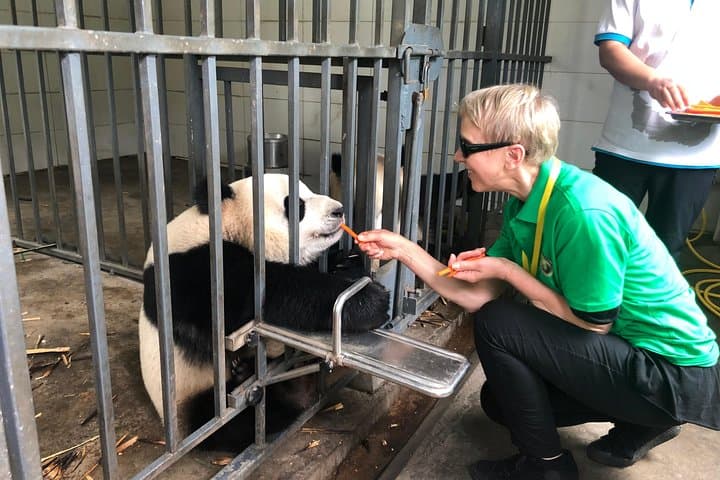
Practically, the day divides into cleaning enclosures, preparing panda cakes and fruit, carrying fresh bamboo, and observational note-taking under staff supervision. Expect dusty floors, wet paths, and the close, lumbering curiosity of captive pandas; touching is restricted and cub-holding remains suspended. Photography of the animals is allowed from designated areas.
Plan for a full, active day: wear closed-toe shoes and clothes you don’t mind cleaning, bring cash for the mandatory donation and documentation (passport copy, health certificate), and arrive rested — the work is physical but rewarding. The experience blends hands-on tasks with quiet observation, giving volunteers a grounded sense of how conservation operates day to day and a tangible way to contribute to panda welfare.
moderate.
9 hours.
Moderate fitness — the day includes standing, walking on uneven surfaces, lifting bamboo, and light cleaning tasks.
No — all close-contact activities, including cub-holding and hugging, have been suspended; interactions are limited to feeding and observational tasks under staff supervision.
Bring a passport copy, passport number, and a recent health certificate as requested when booking; these are checked before participation.
Yes — a local lunch at the center's cafeteria and two bottles of mineral water are included in the program.
Participants must be between 12 and 65 years old and have moderate fitness; the program is not recommended for pregnant travelers or those with certain spinal or heart conditions.
Dujiangyan is adjacent to the 2nd-century BC Dujiangyan irrigation system, a UNESCO-recognized waterworks that shaped local agriculture and supported the bamboo landscapes pandas rely on.
The volunteer fee and on-site donations support the non-profit research and breeding programs; visitors must follow strict biosecurity protocols to minimize disease risk.
China Dream Tour operates guided outdoor trips and adventures with an emphasis on safety, stewardship, and memorable experiences.
On a cool morning, the van eases away from Chengdu and the low hills around Dujiangyan rise like a page of shaded ink. The volunteer center sits where bamboo breathes close to the path, and the day begins with uniforms and a quick biosecurity briefing; hands are guided, and the routines of the keepers set the tempo.
On a cool morning, the van eases away from Chengdu and the low hills around Dujiangyan rise like a page of shaded ink. The volunteer center sits where bamboo breathes close to the path, and the day begins with uniforms and a quick biosecurity briefing; hands are guided, and the routines of the keepers set the tempo.
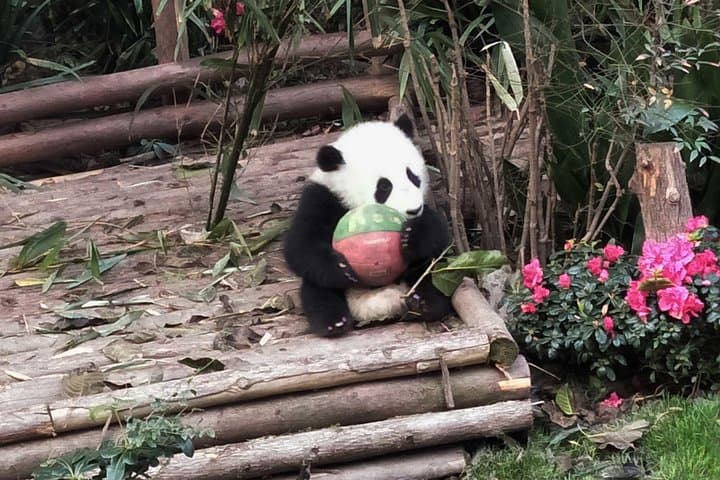
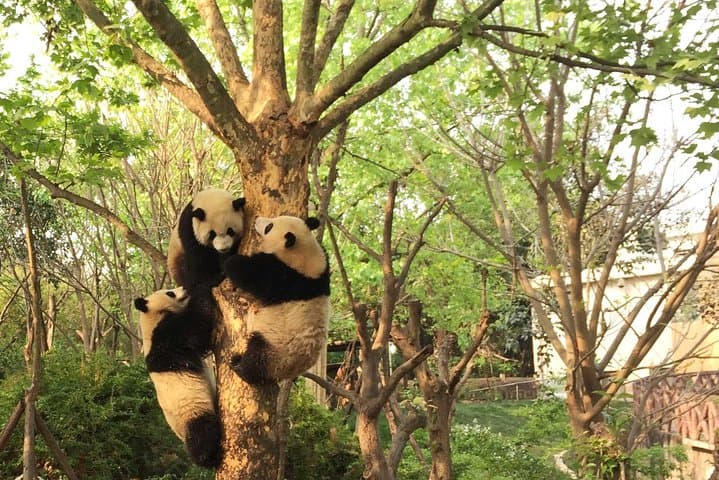
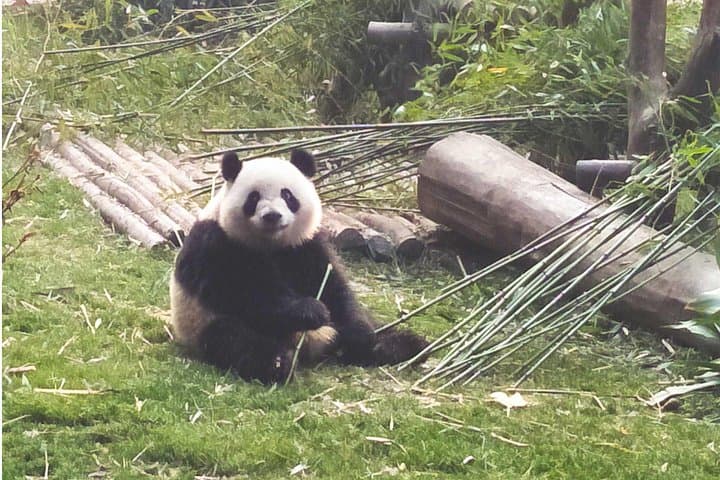
The Dujiangyan Panda Base is part of Sichuan’s long-running effort to protect Ailuropoda melanoleuca. The region’s limestone foothills and river-fed valleys create the temperate bamboo forests pandas need, and nearby lies the 2,000-year-old Dujiangyan irrigation system that shaped local agriculture and settlement. Volunteers encounter not only pandas but the cultural landscape that supports them — local feeding schedules, recorded behavior logs, and documentary screenings trace conservation techniques alongside community stewardship.
Practically, the day divides into cleaning enclosures, preparing panda cakes and fruit, carrying fresh bamboo, and observational note-taking under staff supervision. Expect dusty floors, wet paths, and the close, lumbering curiosity of captive pandas; touching is restricted and cub-holding remains suspended. Photography of the animals is allowed from designated areas.
Plan for a full, active day: wear closed-toe shoes and clothes you don’t mind cleaning, bring cash for the mandatory donation and documentation (passport copy, health certificate), and arrive rested — the work is physical but rewarding. The experience blends hands-on tasks with quiet observation, giving volunteers a grounded sense of how conservation operates day to day and a tangible way to contribute to panda welfare.