THE ADVENTURE COLLECTIVE® · Independent discovery and booking for outdoor travel

Spend two meaningful hours volunteering at a local St. Lucia school—painting, restocking libraries, or engaging students in games. This compact program pairs cultural exchange with prearranged projects and includes air‑conditioned pickup.
Spend two meaningful hours volunteering at a local St. Lucia school—painting, restocking libraries, or engaging students in games. This compact program pairs cultural exchange with prearranged projects and includes air‑conditioned pickup.
You step from an air‑conditioned van into a sun-warmed schoolyard where laughter and a dozen small hands immediately redirect your plans. Children cluster around painted benches; chalk dust hangs in the air like a soft promise. For two hours you join a prearranged project—painting a mural, restocking a library shelf, or sitting in to read and play simple games—while a local guide keeps the session organized and culturally sensitive.
Verified experiences and guided adventures in the surrounding area.
Operated by Lush Excursions · Castries, Castries District
You step from an air‑conditioned van into a sun-warmed schoolyard where laughter and a dozen small hands immediately redirect your plans. Children cluster around painted benches; chalk dust hangs in the air like a soft promise. For two hours you join a prearranged project—painting a mural, restocking a library shelf, or sitting in to read and play simple games—while a local guide keeps the session organized and culturally sensitive.
St. Lucia’s schools reflect the island’s layered history: colonial-era classrooms updated with local Creole energy and a national emphasis on education. The island itself is volcanic—steep ridges and rich soils that shape village life and make school gardens possible backdrops for outdoor lessons. Expect a blend of English (official language) and Kwéyòl in corridors, calypso or steelpan drifting faintly from nearby gatherings.
Practical details are straightforward: this is a 2‑hour, small‑group volunteer opportunity, with roundtrip pickup in an air‑conditioned vehicle and a maximum of ten participants. Volunteers should bring small donations (age‑appropriate books, school supplies), wear breathable clothing and closed-toe shoes, and carry sun protection and water. Photography is welcome but always ask permission—respect for students and teachers is paramount.
Coordination matters: organizers confirm exact project needs before arrival so donations match the school’s request. The work is low‑impact physically but high in cultural exchange; expect to leave with practical memories—a painted wall, a restocked shelf—and a clearer sense of local life on this vivid Caribbean island.
easy.
2 hours.
Suitable for all fitness levels; minimal physical exertion required
No—most projects are designed for volunteers of any background and focus on simple activities like arts & crafts, reading, or beautification; organizers provide guidance.
English is the official language in schools; Kwéyòl (St. Lucian Creole) is also commonly spoken—basic English is sufficient to participate.
Some materials may be supplied, but the school’s needs are communicated in advance—bringing requested books or supplies is encouraged and appreciated.
Photography may be allowed but always ask teachers and guardians for permission before photographing children or classes to respect privacy.
St. Lucia’s education system evolved under French and British colonial rule; schools today often reflect a mix of colonial buildings and community-driven updates.
Coordinate gifts with organizers to prevent waste; small, targeted donations reduce environmental and logistical strain and support long-term school needs.
Lush Excursions operates guided outdoor trips and adventures with an emphasis on safety, stewardship, and memorable experiences.
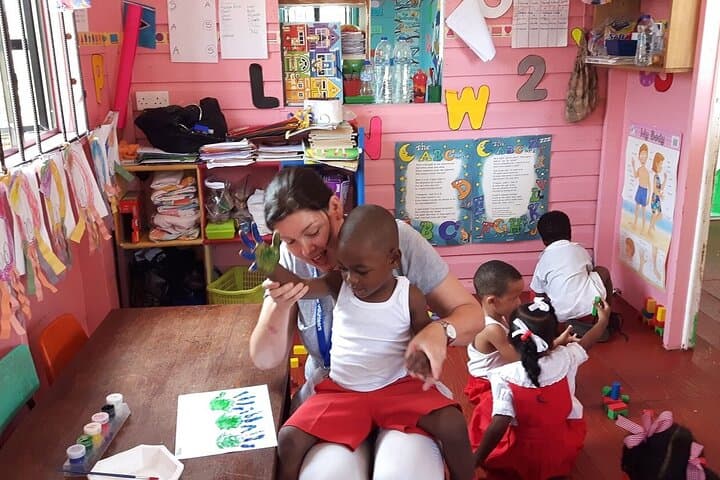
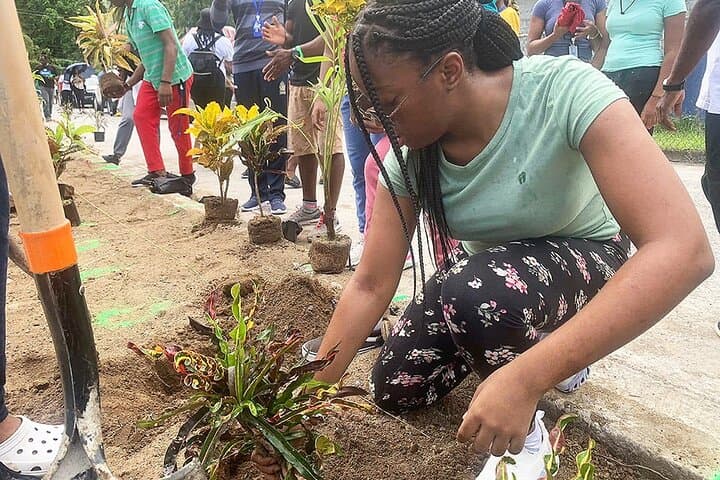
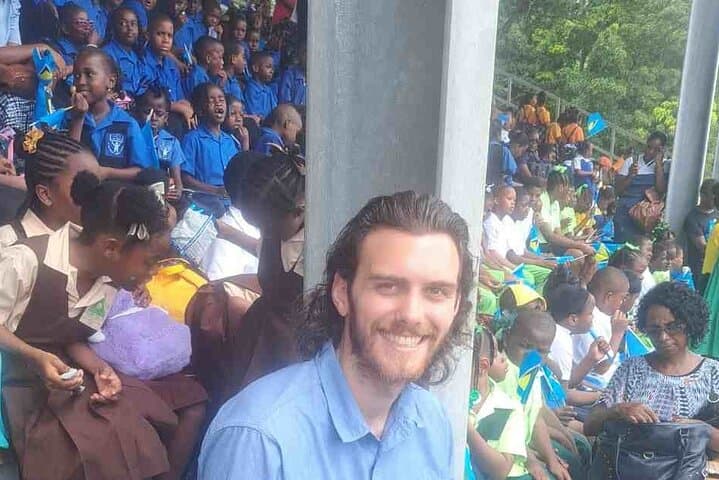
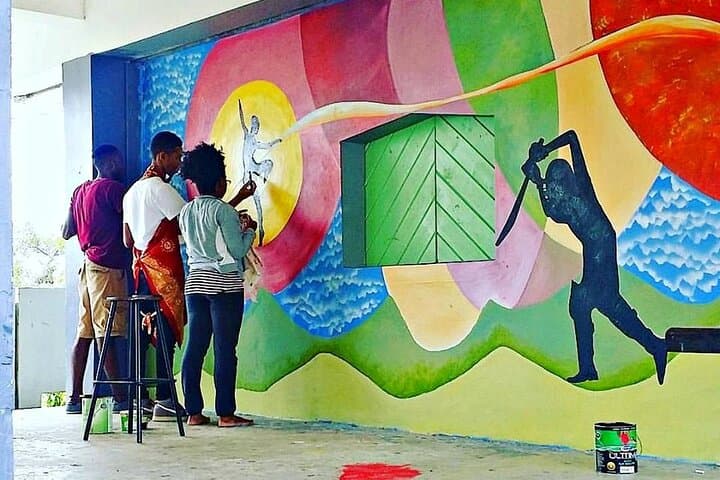
You step from an air‑conditioned van into a sun-warmed schoolyard where laughter and a dozen small hands immediately redirect your plans. Children cluster around painted benches; chalk dust hangs in the air like a soft promise. For two hours you join a prearranged project—painting a mural, restocking a library shelf, or sitting in to read and play simple games—while a local guide keeps the session organized and culturally sensitive.
You step from an air‑conditioned van into a sun-warmed schoolyard where laughter and a dozen small hands immediately redirect your plans. Children cluster around painted benches; chalk dust hangs in the air like a soft promise. For two hours you join a prearranged project—painting a mural, restocking a library shelf, or sitting in to read and play simple games—while a local guide keeps the session organized and culturally sensitive.
St. Lucia’s schools reflect the island’s layered history: colonial-era classrooms updated with local Creole energy and a national emphasis on education. The island itself is volcanic—steep ridges and rich soils that shape village life and make school gardens possible backdrops for outdoor lessons. Expect a blend of English (official language) and Kwéyòl in corridors, calypso or steelpan drifting faintly from nearby gatherings.
Practical details are straightforward: this is a 2‑hour, small‑group volunteer opportunity, with roundtrip pickup in an air‑conditioned vehicle and a maximum of ten participants. Volunteers should bring small donations (age‑appropriate books, school supplies), wear breathable clothing and closed-toe shoes, and carry sun protection and water. Photography is welcome but always ask permission—respect for students and teachers is paramount.
Coordination matters: organizers confirm exact project needs before arrival so donations match the school’s request. The work is low‑impact physically but high in cultural exchange; expect to leave with practical memories—a painted wall, a restocked shelf—and a clearer sense of local life on this vivid Caribbean island.