THE ADVENTURE COLLECTIVE® · Independent discovery and booking for outdoor travel

Spend a day as a supervised volunteer at Wolong Panda Base, learning feeding routines, making panda cakes, and supporting enclosure care. This hands-on program blends practical conservation work with guided interpretation and local cultural context.
Spend a day as a supervised volunteer at Wolong Panda Base, learning feeding routines, making panda cakes, and supporting enclosure care. This hands-on program blends practical conservation work with guided interpretation and local cultural context.
The morning air at Wolong feels like a gentle nudge — cool, high-altitude breath that moves through bamboo and fir.
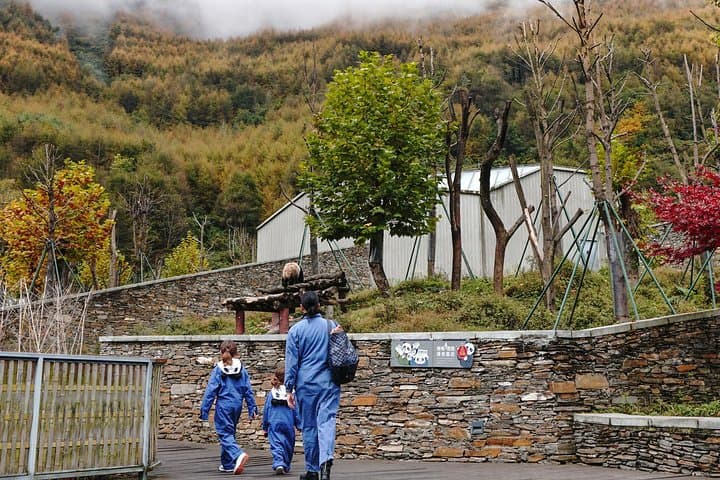
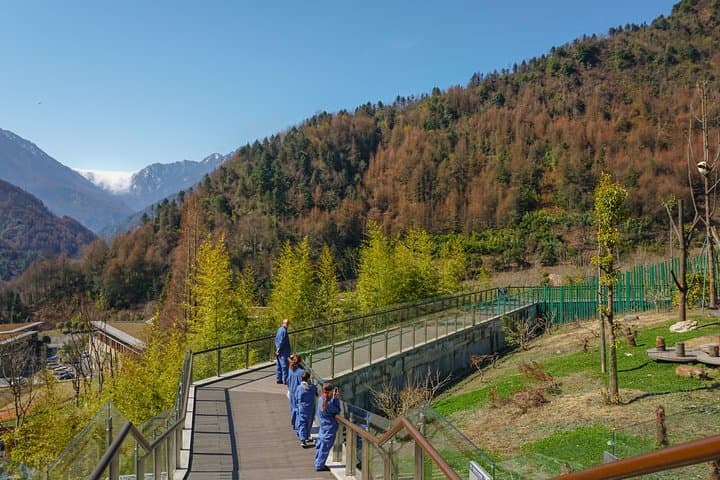
You arrive by car from Dujiangyan, winding into a valley where terraced slopes give way to broad enclosures and low-slung research buildings. The day is structured: orientation with English-speaking staff, hands-on training, and supervised time inside the reserve helping with feeding, preparing panda cakes, and cleaning enclosures.
Wolong is part of China’s modern panda conservation story. Established in the 1960s as one of the nation’s earliest reserves, it grew into a breeding and research center that blends traditional village culture with wildlife science. The geology here is steep, with folded Sichuan Basin edges and river-cut valleys that create microclimates ideal for bamboo. Local communities around Wolong retain Tibetan and Han influences; village markets and simple guesthouses reflect that working connection to the land.
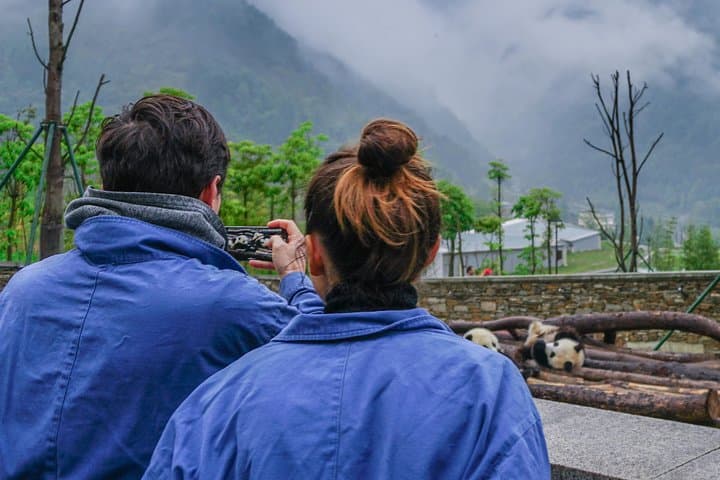
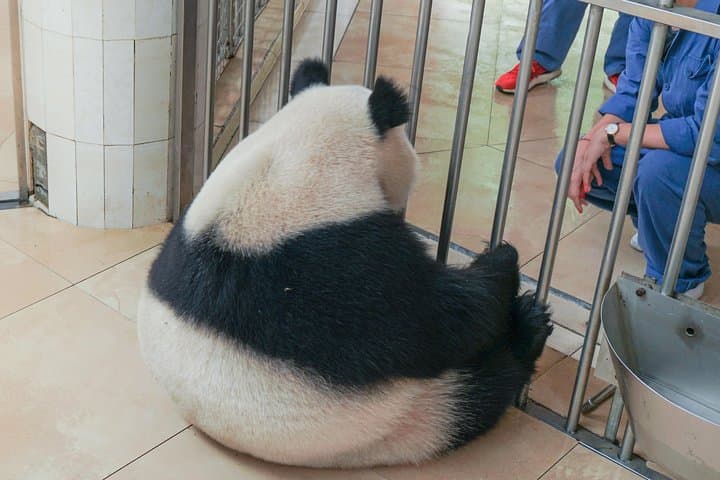
Practically, expect repetitive but rewarding tasks — measuring bamboo, assembling dietary cakes, and gentle enclosure maintenance — all under staff supervision. Physical demands are low: most work is standing, lifting light crates, and walking uneven paths on packed earth. Bring durable closed-toe shoes, a reusable water bottle, and a camera with a zoom lens; gloves are often provided but check ahead.
Timing matters: arrive early to avoid midday heat or fog, and follow staff biosecurity rules closely — boot disinfection and restricted access protect both pandas and visitors. The experience is less a zoo visit and more a focused conservation day: you leave with a clearer sense of why habitat, diet, and small daily routines matter for a vulnerable species.
Verified experiences and guided adventures in the surrounding area.
Operated by tripApanda · Dujiangyan, Sichuan
The morning air at Wolong feels like a gentle nudge — cool, high-altitude breath that moves through bamboo and fir.
You arrive by car from Dujiangyan, winding into a valley where terraced slopes give way to broad enclosures and low-slung research buildings. The day is structured: orientation with English-speaking staff, hands-on training, and supervised time inside the reserve helping with feeding, preparing panda cakes, and cleaning enclosures.
Wolong is part of China’s modern panda conservation story. Established in the 1960s as one of the nation’s earliest reserves, it grew into a breeding and research center that blends traditional village culture with wildlife science. The geology here is steep, with folded Sichuan Basin edges and river-cut valleys that create microclimates ideal for bamboo. Local communities around Wolong retain Tibetan and Han influences; village markets and simple guesthouses reflect that working connection to the land.
Practically, expect repetitive but rewarding tasks — measuring bamboo, assembling dietary cakes, and gentle enclosure maintenance — all under staff supervision. Physical demands are low: most work is standing, lifting light crates, and walking uneven paths on packed earth. Bring durable closed-toe shoes, a reusable water bottle, and a camera with a zoom lens; gloves are often provided but check ahead.
Timing matters: arrive early to avoid midday heat or fog, and follow staff biosecurity rules closely — boot disinfection and restricted access protect both pandas and visitors. The experience is less a zoo visit and more a focused conservation day: you leave with a clearer sense of why habitat, diet, and small daily routines matter for a vulnerable species.
easy.
6–7 hours.
Suitable for people in average physical condition; involves standing, light lifting (10–15 lb), and walking on uneven ground.
No. For safety and welfare, direct contact is not allowed; volunteer duties focus on feeding prep, enclosure care, and supervised observation.
No prior experience is needed; staff provide orientation and supervised instruction for all tasks.
The tour starts in Dujiangyan; pick-up from Chengdu downtown or the airport is sometimes available—confirm at booking.
Yes, the program includes lunch as part of the full-day itinerary.
Wolong was established in the mid-20th century as one of China’s pioneering panda reserves and later expanded into a major breeding and research center.
Wolong’s programs focus on breeding, research, and habitat restoration; visitor activities enforce strict biosecurity to reduce disease risk and disturbance.
tripApanda operates guided outdoor trips and adventures with an emphasis on safety, stewardship, and memorable experiences.
The morning air at Wolong feels like a gentle nudge — cool, high-altitude breath that moves through bamboo and fir.
You arrive by car from Dujiangyan, winding into a valley where terraced slopes give way to broad enclosures and low-slung research buildings. The day is structured: orientation with English-speaking staff, hands-on training, and supervised time inside the reserve helping with feeding, preparing panda cakes, and cleaning enclosures.
Wolong is part of China’s modern panda conservation story. Established in the 1960s as one of the nation’s earliest reserves, it grew into a breeding and research center that blends traditional village culture with wildlife science. The geology here is steep, with folded Sichuan Basin edges and river-cut valleys that create microclimates ideal for bamboo. Local communities around Wolong retain Tibetan and Han influences; village markets and simple guesthouses reflect that working connection to the land.
Practically, expect repetitive but rewarding tasks — measuring bamboo, assembling dietary cakes, and gentle enclosure maintenance — all under staff supervision. Physical demands are low: most work is standing, lifting light crates, and walking uneven paths on packed earth. Bring durable closed-toe shoes, a reusable water bottle, and a camera with a zoom lens; gloves are often provided but check ahead.
Timing matters: arrive early to avoid midday heat or fog, and follow staff biosecurity rules closely — boot disinfection and restricted access protect both pandas and visitors. The experience is less a zoo visit and more a focused conservation day: you leave with a clearer sense of why habitat, diet, and small daily routines matter for a vulnerable species.
The morning air at Wolong feels like a gentle nudge — cool, high-altitude breath that moves through bamboo and fir.
You arrive by car from Dujiangyan, winding into a valley where terraced slopes give way to broad enclosures and low-slung research buildings. The day is structured: orientation with English-speaking staff, hands-on training, and supervised time inside the reserve helping with feeding, preparing panda cakes, and cleaning enclosures.
Wolong is part of China’s modern panda conservation story. Established in the 1960s as one of the nation’s earliest reserves, it grew into a breeding and research center that blends traditional village culture with wildlife science. The geology here is steep, with folded Sichuan Basin edges and river-cut valleys that create microclimates ideal for bamboo. Local communities around Wolong retain Tibetan and Han influences; village markets and simple guesthouses reflect that working connection to the land.
Practically, expect repetitive but rewarding tasks — measuring bamboo, assembling dietary cakes, and gentle enclosure maintenance — all under staff supervision. Physical demands are low: most work is standing, lifting light crates, and walking uneven paths on packed earth. Bring durable closed-toe shoes, a reusable water bottle, and a camera with a zoom lens; gloves are often provided but check ahead.
Timing matters: arrive early to avoid midday heat or fog, and follow staff biosecurity rules closely — boot disinfection and restricted access protect both pandas and visitors. The experience is less a zoo visit and more a focused conservation day: you leave with a clearer sense of why habitat, diet, and small daily routines matter for a vulnerable species.