THE ADVENTURE COLLECTIVE® · Independent discovery and booking for outdoor travel

Spend two weeks living and working on Lumo Community Wildlife Sanctuary: conduct waterhole counts, remove snares, teach environmental lessons to local schools and join game patrols. This hands-on volunteer program pairs fieldwork with community conservation in Taita-Taveta, reachable from Nairobi.
Spend two weeks living and working on Lumo Community Wildlife Sanctuary: conduct waterhole counts, remove snares, teach environmental lessons to local schools and join game patrols. This hands-on volunteer program pairs fieldwork with community conservation in Taita-Taveta, reachable from Nairobi.
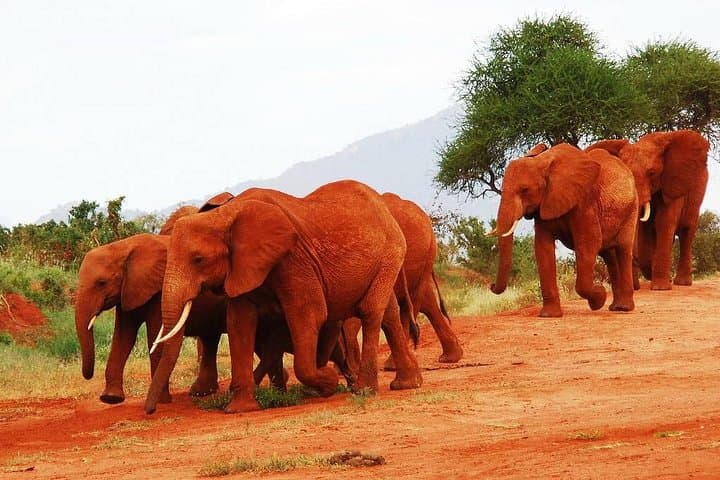
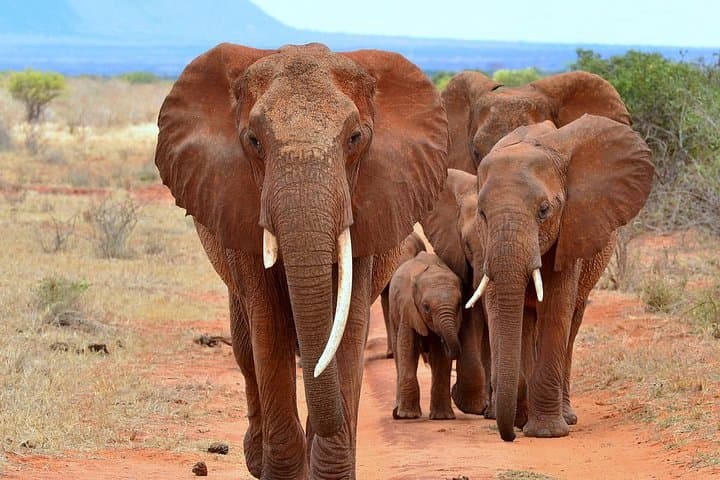
The morning bus from Nairobi slides through scrub and baobab-sprinkled plains until Voi’s dusty silhouette gives way to the sanctuary road. You arrive at a low, warm horizon where the land breathes slow; acacia shadows point the way and waterholes gather life like small magnets. Days here are measured in tracks, sun angles and the distant trumpet of elephants.
Verified experiences and guided adventures in the surrounding area.
Operated by Gracepatt Ecotours Kenya · Voi, Taita-Taveta County
The morning bus from Nairobi slides through scrub and baobab-sprinkled plains until Voi’s dusty silhouette gives way to the sanctuary road. You arrive at a low, warm horizon where the land breathes slow; acacia shadows point the way and waterholes gather life like small magnets. Days here are measured in tracks, sun angles and the distant trumpet of elephants.
Lumo Community Wildlife Sanctuary sits on traditionally contested rangeland in Taita-Taveta, a landscape shaped by tectonic shifts of the East African Rift and cycles of rain and drought. Community conservancies emerged in recent decades to reconcile pastoral livelihoods with wildlife recovery, and Lumo’s history is tied to local land-use agreements and anti-poaching initiatives.
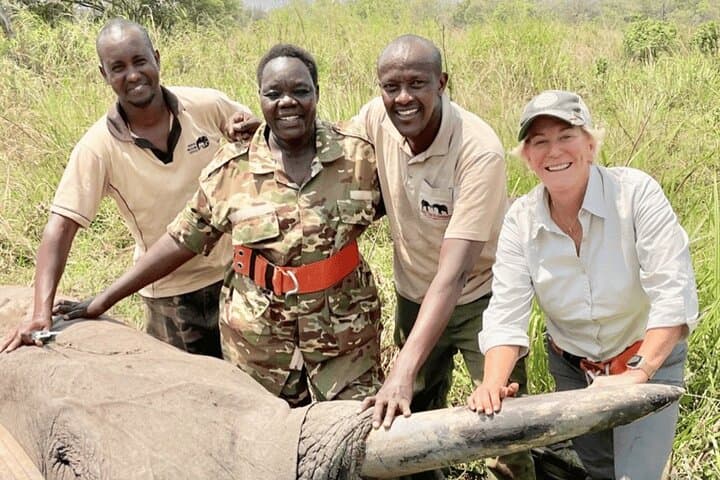
Volunteers work alongside rangers and community educators: conducting waterhole counts, removing wire snares, improving roads for patrol access, planting trees and running school conservation workshops. You’ll learn basic tracking, monitor human–wildlife conflict mitigation techniques and join game patrols where giraffe, elephant and wild dog often appear close enough to study patterns of behavior.
Practicalities matter: expect basic camp accommodation, long days on foot or in open vehicles, and physical tasks that reward sturdy boots and steady hydration. Wear long sleeves against sun and thorn, plan vaccinations and travel insurance, and coordinate your airport pickup with the program coordinator before travel. Arrive with an open mind and the stamina for manual fieldwork — the sanctuary asks as much of volunteers as it gives back in rare, front-row wildlife encounters and hands-on conservation experience.
challenging.
14 days.
Good physical fitness—comfortable with daily walks, manual tasks and working in hot conditions
No—training is provided on site for monitoring, snare removal and basic patrol procedures; physical fitness is more important than prior experience.
The program arranges airport pickup and the itinerary uses a public bus to Voi followed by a project vehicle transfer to Lumo; confirm timings with the coordinator before travel.
Accommodation is provided in camp for the program duration with the first and last nights in Nairobi; all meals during the stay are included.
Travelers should carry a valid visa for Kenya and ensure routine vaccinations and recommended travel vaccines (e.g., yellow fever if required) are up to date—check with your health provider.
Lumo is part of Kenya’s community conservancy movement that returned land-management decisions to local groups to reduce conflict and restore wildlife after decades of unregulated grazing and poaching.
The program emphasizes community-led anti-poaching, habitat restoration and education; volunteers support low-impact, locally governed conservation that aims to benefit both people and wildlife.
Gracepatt Ecotours Kenya operates guided outdoor trips and adventures with an emphasis on safety, stewardship, and memorable experiences.
The morning bus from Nairobi slides through scrub and baobab-sprinkled plains until Voi’s dusty silhouette gives way to the sanctuary road. You arrive at a low, warm horizon where the land breathes slow; acacia shadows point the way and waterholes gather life like small magnets. Days here are measured in tracks, sun angles and the distant trumpet of elephants.
The morning bus from Nairobi slides through scrub and baobab-sprinkled plains until Voi’s dusty silhouette gives way to the sanctuary road. You arrive at a low, warm horizon where the land breathes slow; acacia shadows point the way and waterholes gather life like small magnets. Days here are measured in tracks, sun angles and the distant trumpet of elephants.
Lumo Community Wildlife Sanctuary sits on traditionally contested rangeland in Taita-Taveta, a landscape shaped by tectonic shifts of the East African Rift and cycles of rain and drought. Community conservancies emerged in recent decades to reconcile pastoral livelihoods with wildlife recovery, and Lumo’s history is tied to local land-use agreements and anti-poaching initiatives.
Volunteers work alongside rangers and community educators: conducting waterhole counts, removing wire snares, improving roads for patrol access, planting trees and running school conservation workshops. You’ll learn basic tracking, monitor human–wildlife conflict mitigation techniques and join game patrols where giraffe, elephant and wild dog often appear close enough to study patterns of behavior.
Practicalities matter: expect basic camp accommodation, long days on foot or in open vehicles, and physical tasks that reward sturdy boots and steady hydration. Wear long sleeves against sun and thorn, plan vaccinations and travel insurance, and coordinate your airport pickup with the program coordinator before travel. Arrive with an open mind and the stamina for manual fieldwork — the sanctuary asks as much of volunteers as it gives back in rare, front-row wildlife encounters and hands-on conservation experience.