THE ADVENTURE COLLECTIVE® · Independent discovery and booking for outdoor travel

Walk Quito’s colonial heart, stand on the equator, birdwatch in Mindo and peer into Quilotoa’s turquoise crater lake. This six-day loop through Ecuador’s highlands blends culture, geology and accessible alpine scenery.
Walk Quito’s colonial heart, stand on the equator, birdwatch in Mindo and peer into Quilotoa’s turquoise crater lake. This six-day loop through Ecuador’s highlands blends culture, geology and accessible alpine scenery.
You arrive over the Andes and the city of Quito spreads below—red roofs, church towers and the faint ring of mountains. The air is thin and bright; the equatorial line nearby feels less like a line on a map and more like an idea you can stand on. Over six days the itinerary moves from the cobbled colonial streets to volcanic highlands, to cloud-forest birdsong, each landscape nudging you to pay attention.
Verified experiences and guided adventures in the surrounding area.
Operated by BM TOURS SA · Quito, Pichincha
You arrive over the Andes and the city of Quito spreads below—red roofs, church towers and the faint ring of mountains. The air is thin and bright; the equatorial line nearby feels less like a line on a map and more like an idea you can stand on. Over six days the itinerary moves from the cobbled colonial streets to volcanic highlands, to cloud-forest birdsong, each landscape nudging you to pay attention.
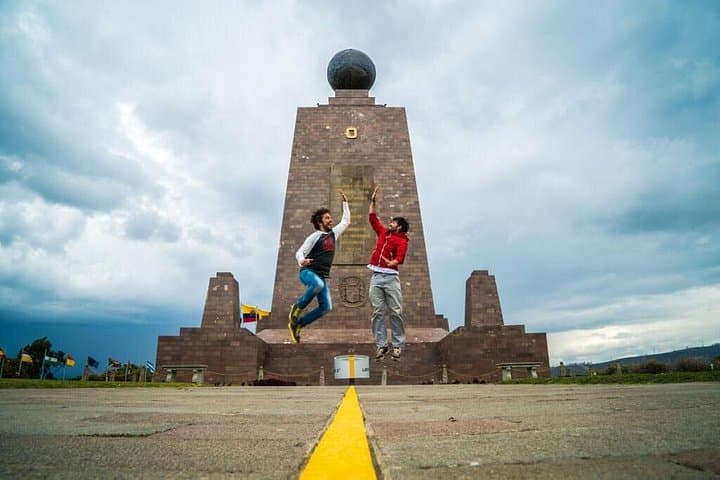
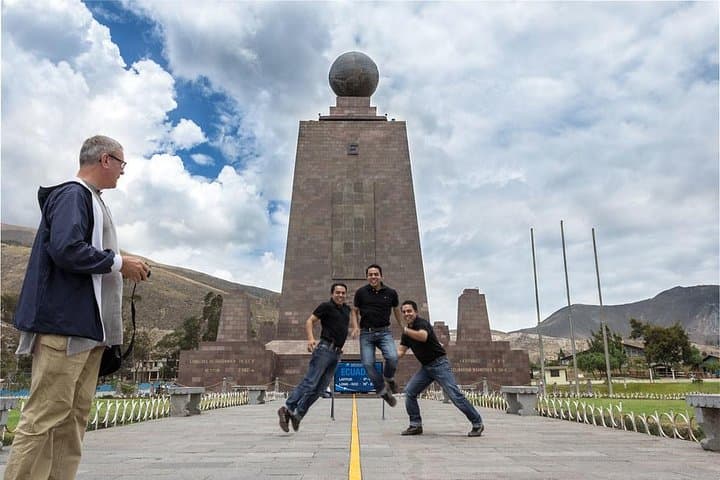
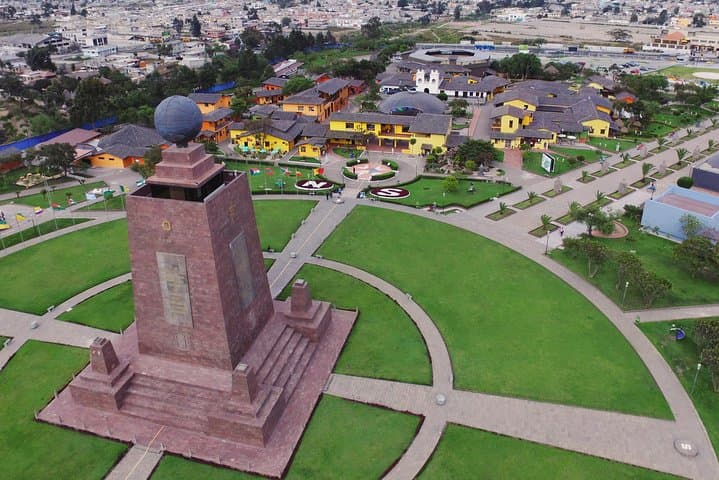
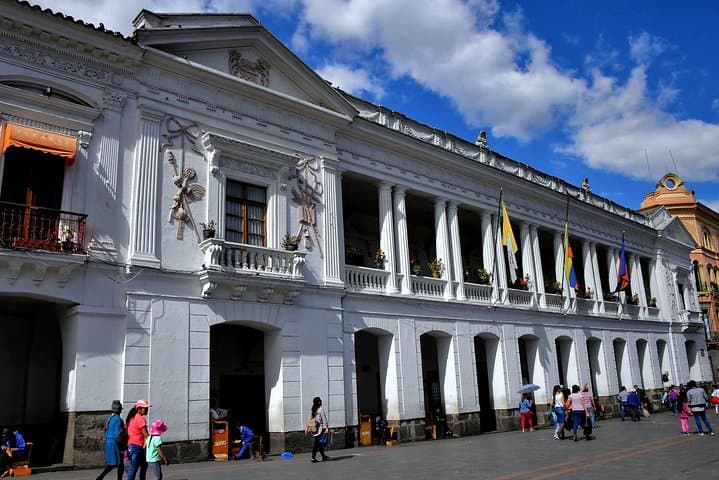
Quito’s historic center — one of the best-preserved in Latin America — tells a story of Spanish colonial urban planning layered on indigenous settlement. The French Geodesic Mission’s 18th-century expedition left an enduring mark at the Mitad del Mundo monument where science and local myth meet. Geologically, you’ll see the range of the Northern Andes: eroded volcanic cones, high-altitude páramo, and the turquoise crater lake of Quilotoa formed in a massive collapse.
Culturally the trip threads markets, artisanal weaving in Otavalo, and bilingual guides who translate heritage into context. In Mindo the forest dares you to listen—hundreds of bird species and a flash of hummingbird wings.
Practical guide: acclimatize gently in Quito (≈2,850 m) before hikes that reach 3,900–4,200 m; plan for strong sun, rapid weather shifts, and dusty trails. Bring layered clothing, a waterproof, sturdy footwear and a small daypack for water and snacks. Mornings offer the clearest views; afternoons tend to cloud over. Cash is useful at markets. Expect hotel accommodations and private transport between sites and be prepared for early departures to make the most of light and wildlife activity.
moderate.
6 days.
Suitable for travelers in general good health who can handle full days of walking and short hikes at altitude; minimal sustained exertion.
Yes—altitude is real here; drink water, rest the first day in Quito and avoid heavy exertion until acclimatized. Consult your doctor about medication if you’re prone to altitude issues.
Breakfasts are included each day; other meals are typically on your own so you can try local cuisine at markets and restaurants.
The tour is advertised as suitable for all fitness levels, but higher-elevation stops may be challenging for very young children or those with cardiovascular issues—check the health restrictions before booking.
Daily activities include city walking and short hikes (30–120 minutes) around sights like Quilotoa and Limpiopungo; nothing requires technical climbing.
The French Geodesic Mission of the 18th century placed Quito on scientific maps and led to the idea of a marked equatorial line; colonial churches reflect centuries of Spanish influence layered over indigenous culture.
Cotopaxi and Quilotoa sit within protected areas—stick to trails, avoid disturbing wildlife and support local guides and artisans to ensure tourism benefits communities.
BM TOURS SA operates guided outdoor trips and adventures with an emphasis on safety, stewardship, and memorable experiences.
You arrive over the Andes and the city of Quito spreads below—red roofs, church towers and the faint ring of mountains. The air is thin and bright; the equatorial line nearby feels less like a line on a map and more like an idea you can stand on. Over six days the itinerary moves from the cobbled colonial streets to volcanic highlands, to cloud-forest birdsong, each landscape nudging you to pay attention.
You arrive over the Andes and the city of Quito spreads below—red roofs, church towers and the faint ring of mountains. The air is thin and bright; the equatorial line nearby feels less like a line on a map and more like an idea you can stand on. Over six days the itinerary moves from the cobbled colonial streets to volcanic highlands, to cloud-forest birdsong, each landscape nudging you to pay attention.
Quito’s historic center — one of the best-preserved in Latin America — tells a story of Spanish colonial urban planning layered on indigenous settlement. The French Geodesic Mission’s 18th-century expedition left an enduring mark at the Mitad del Mundo monument where science and local myth meet. Geologically, you’ll see the range of the Northern Andes: eroded volcanic cones, high-altitude páramo, and the turquoise crater lake of Quilotoa formed in a massive collapse.
Culturally the trip threads markets, artisanal weaving in Otavalo, and bilingual guides who translate heritage into context. In Mindo the forest dares you to listen—hundreds of bird species and a flash of hummingbird wings.
Practical guide: acclimatize gently in Quito (≈2,850 m) before hikes that reach 3,900–4,200 m; plan for strong sun, rapid weather shifts, and dusty trails. Bring layered clothing, a waterproof, sturdy footwear and a small daypack for water and snacks. Mornings offer the clearest views; afternoons tend to cloud over. Cash is useful at markets. Expect hotel accommodations and private transport between sites and be prepared for early departures to make the most of light and wildlife activity.