THE ADVENTURE COLLECTIVE® · Independent discovery and booking for outdoor travel

A brisk speedboat ride from Vlorë delivers you to Haxhi Ali cave and the rugged Karaburun coastline—see sea‑carved limestone, wartime bunkers, and crystal coves in a compact two‑hour outing. Perfect if you want a high‑impact shoreline experience without a long beach day.
A brisk speedboat ride from Vlorë delivers you to Haxhi Ali cave and the rugged Karaburun coastline—see sea‑carved limestone, wartime bunkers, and crystal coves in a compact two‑hour outing. Perfect if you want a high‑impact shoreline experience without a long beach day.
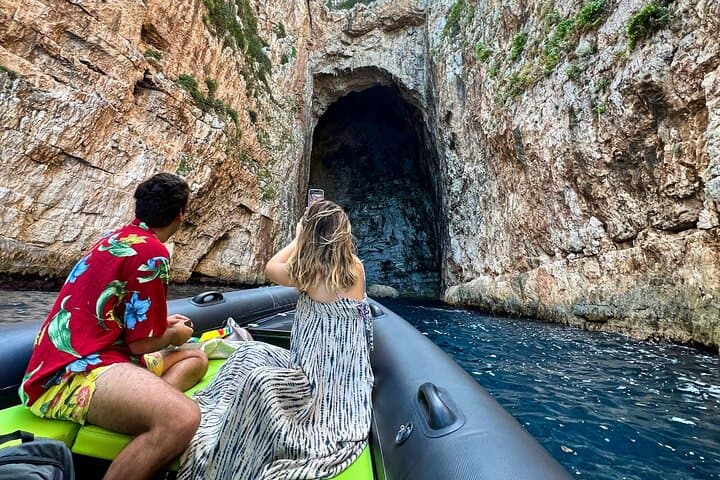
The engine cuts to a steady hum and the shoreline of Vlorë slides away—limestone cliffs drop into glass-blue water, gulls ride the wake, and a narrow cave mouth waits like a carved doorway in the rock.
Verified experiences and guided adventures in the surrounding area.
Operated by Olympia Tours · Vlorë, Vlorë County
The engine cuts to a steady hum and the shoreline of Vlorë slides away—limestone cliffs drop into glass-blue water, gulls ride the wake, and a narrow cave mouth waits like a carved doorway in the rock.
Haxhi Ali cave opens quickly: a 20‑minute window to move along a low, shadowed tunnel and peer at multicolored stalactites while the Adriatic laps at your feet. The cave’s short history is geological—marine erosion sculpting karst limestone over millennia—overprinted by 20th‑century traces: concrete bunkers and abandoned military outposts pepper the Karaburun coast, reminders of Albania’s isolationist past.
As the boat arcs around the peninsula the geology reads like a field sketch—folded strata, sea‑cut arches, and pebble coves named by locals. Culture here is coastal and practical: small fishing settlements in Vlore, seasonal shepherding inland, and wartime fortifications that have become unofficial viewpoints.
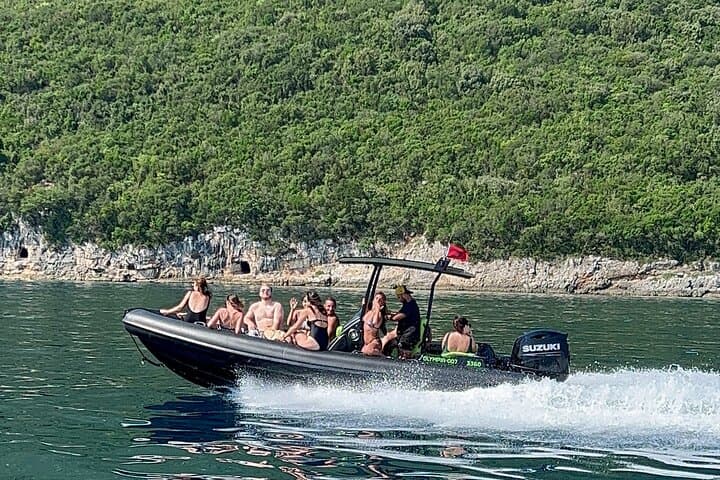
Practical guidance: the full trip is about two hours from Vlore harbor with multiple photo stops and a 20‑minute cave visit plus a 30‑minute coastline run. Seas can be choppy; boats are speedboat style so expect quick zips and spray. Bring swimwear if you plan to jump in, but wear water shoes for rocky exits. Morning departures are cooler and calmer; late afternoon light sharpens cliff colors for photography.
Safety and etiquette: follow the guide for cave entry, avoid touching formations, and pack out trash—this coastline is part of the fragile Karaburun‑Sazan marine area. Arrive with ID, sun protection, and a small dry bag; the trip rewards you with abrupt geology, clear water, and an up‑close look at Albania’s raw coastline.
easy.
2 hours.
Basic fitness—able to board a small boat, climb short rocky steps, and stand for photos; swimming optional.
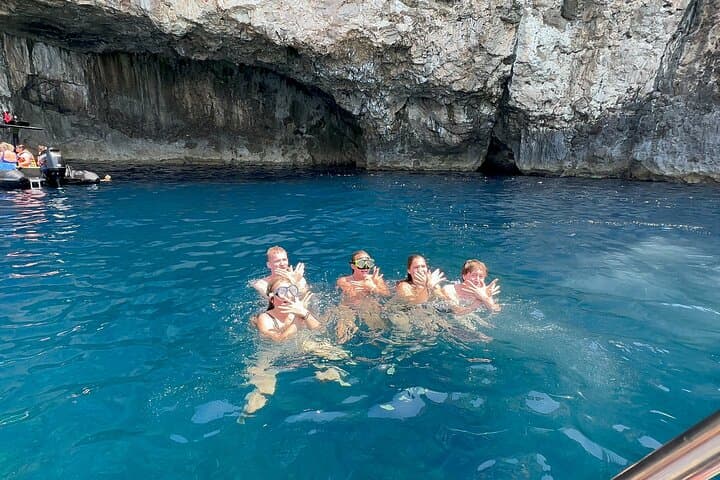
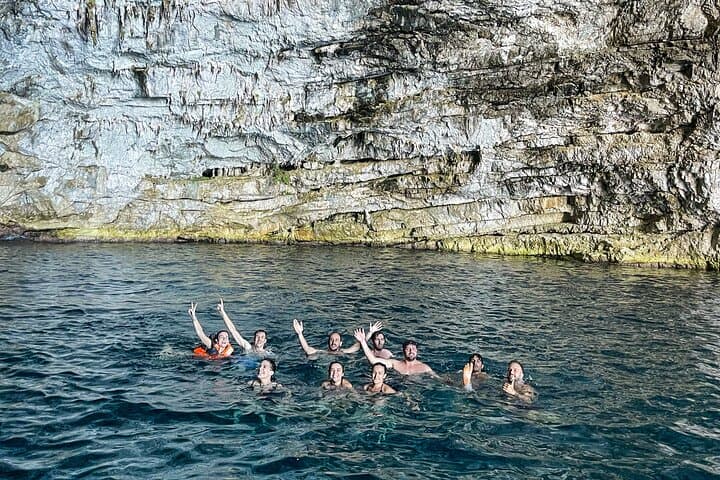
Yes—there is time to swim in clear water near the cave entrance; follow the guide’s instructions for safe entry and exits.
This tour is not recommended for travelers with mobility impairments due to boat boarding and uneven rocky landings.
Operators cancel in rough seas and poor weather; you can usually get a full refund if canceled at least 24 hours before or if the operator cancels due to conditions.
Most speedboats on this route are small and lack restrooms—use facilities in Vlore before departure.
The Karaburun coastline shows layers of history: long‑term karst formation and more recent 20th‑century military fortifications and bunkers built during Albania’s communist era.
The peninsula and adjacent waters are part of the Karaburun‑Sazan area with sensitive marine habitats—avoid anchoring on seagrass beds, respect wildlife, and take all trash back to shore.
Olympia Tours operates guided outdoor trips and adventures with an emphasis on safety, stewardship, and memorable experiences.
The engine cuts to a steady hum and the shoreline of Vlorë slides away—limestone cliffs drop into glass-blue water, gulls ride the wake, and a narrow cave mouth waits like a carved doorway in the rock.
The engine cuts to a steady hum and the shoreline of Vlorë slides away—limestone cliffs drop into glass-blue water, gulls ride the wake, and a narrow cave mouth waits like a carved doorway in the rock.
Haxhi Ali cave opens quickly: a 20‑minute window to move along a low, shadowed tunnel and peer at multicolored stalactites while the Adriatic laps at your feet. The cave’s short history is geological—marine erosion sculpting karst limestone over millennia—overprinted by 20th‑century traces: concrete bunkers and abandoned military outposts pepper the Karaburun coast, reminders of Albania’s isolationist past.
As the boat arcs around the peninsula the geology reads like a field sketch—folded strata, sea‑cut arches, and pebble coves named by locals. Culture here is coastal and practical: small fishing settlements in Vlore, seasonal shepherding inland, and wartime fortifications that have become unofficial viewpoints.
Practical guidance: the full trip is about two hours from Vlore harbor with multiple photo stops and a 20‑minute cave visit plus a 30‑minute coastline run. Seas can be choppy; boats are speedboat style so expect quick zips and spray. Bring swimwear if you plan to jump in, but wear water shoes for rocky exits. Morning departures are cooler and calmer; late afternoon light sharpens cliff colors for photography.
Safety and etiquette: follow the guide for cave entry, avoid touching formations, and pack out trash—this coastline is part of the fragile Karaburun‑Sazan marine area. Arrive with ID, sun protection, and a small dry bag; the trip rewards you with abrupt geology, clear water, and an up‑close look at Albania’s raw coastline.