THE ADVENTURE COLLECTIVE® · Independent discovery and booking for outdoor travel

Explore Vjetrenica’s cavernous passages, walk Mostar’s Ottoman-lined alleys, and swim beneath Kravica’s tufa curtains on a full-day route through Herzegovina. This practical guide explains what to expect, how to prepare, and how to make the most of each stop.
Explore Vjetrenica’s cavernous passages, walk Mostar’s Ottoman-lined alleys, and swim beneath Kravica’s tufa curtains on a full-day route through Herzegovina. This practical guide explains what to expect, how to prepare, and how to make the most of each stop.
You step off the minivan and the air shifts — cool, mineral-rich breath from Vjetrenica meets the sun-heated stone of Herzegovina. In an hour beneath the cave roof you trace passages where centuries of karst water have carved chambers and dripstone fingers; the cave itself almost seems to exhale as you move through its dark corridors.
Verified experiences and guided adventures in the surrounding area.
Operated by Ragusa Tours · Mostar, Herzegovina-Neretva Canton
You step off the minivan and the air shifts — cool, mineral-rich breath from Vjetrenica meets the sun-heated stone of Herzegovina. In an hour beneath the cave roof you trace passages where centuries of karst water have carved chambers and dripstone fingers; the cave itself almost seems to exhale as you move through its dark corridors.
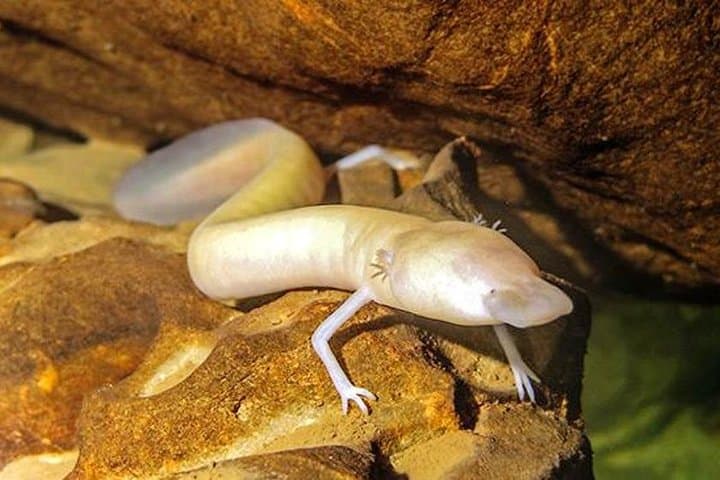
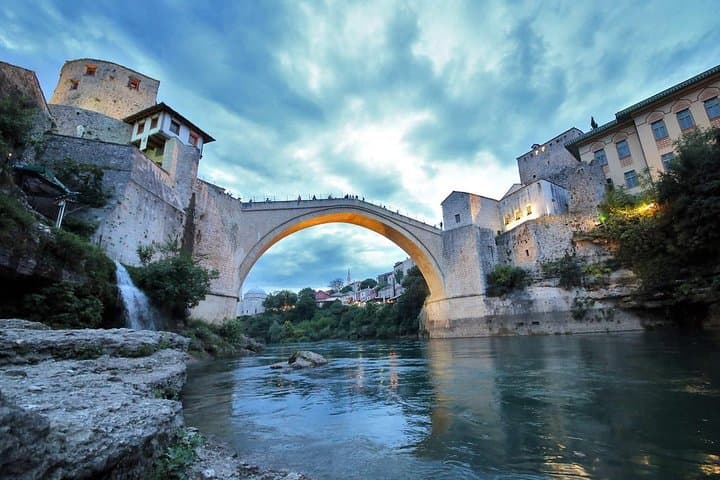
The route threads history and geology: Ottoman Mostar with its 16th-century Stari Most arches over the Neretva, a river that has shaped both trade and conflict here. Kravica’s tufa curtains, piled where the Trebižat slows and surrenders, form pools that invite a summer plunge. Vjetrenica sits in the Popovo field, part of the Dinaric karst system famous for underground rivers and endemic cave life.
Culturally, the day mixes market alleys and mosque minarets with raw limestone landscapes; vendors in Mostar still sell ćevapi and copperware beneath the Old Bridge’s shadow.
Practical side: this is a long day—expect 10–16 hours when starting from Dubrovnik or a cruise port. Wear sturdy shoes for uneven cave floors and slick paths at Kravica. Bring a light jacket for the cave’s steady cool and a towel if you plan to swim. Pack passport and visas if your route crosses borders; border formalities are taken seriously. Timing matters—arrive early at Kravica to avoid peak crowds and midday heat. Respect delicate tufa and cave formations: stay on trails, leave no trace, and follow your guide’s instructions. This loop gives a concentrated taste of Herzegovina’s raw geology, living history, and water that keeps pushing the landscape forward.
moderate.
10–16 hours.
Suitable for travelers in average fitness; involves short walks, stairs, and standing during guided cave sections
Yes—during the warmer months visitors commonly swim in the pools below the falls; follow local rules and avoid soaps or detergents.
The Vjetrenica visit involves walking on uneven, sometimes damp surfaces and stairs but is not technical; a moderate pace and basic mobility are sufficient.
Tours typically include entry and a guide; confirm admission specifics and any separate entrance fees when booking.
Yes—many departures accommodate cruise passengers but you must provide ship name and docking times and confirm reboarding windows.
Stari Most was built in the 16th century under Ottoman rule and rebuilt after wartime destruction; Vjetrenica is a key site in Dinaric karst studies and hosts endemic cave species.
Kravica’s tufa and Vjetrenica’s cave formations are sensitive—stay on paths, avoid touching stalactites, and don’t introduce pollutants into river pools.
Ragusa Tours operates guided outdoor trips and adventures with an emphasis on safety, stewardship, and memorable experiences.
You step off the minivan and the air shifts — cool, mineral-rich breath from Vjetrenica meets the sun-heated stone of Herzegovina. In an hour beneath the cave roof you trace passages where centuries of karst water have carved chambers and dripstone fingers; the cave itself almost seems to exhale as you move through its dark corridors.
You step off the minivan and the air shifts — cool, mineral-rich breath from Vjetrenica meets the sun-heated stone of Herzegovina. In an hour beneath the cave roof you trace passages where centuries of karst water have carved chambers and dripstone fingers; the cave itself almost seems to exhale as you move through its dark corridors.
The route threads history and geology: Ottoman Mostar with its 16th-century Stari Most arches over the Neretva, a river that has shaped both trade and conflict here. Kravica’s tufa curtains, piled where the Trebižat slows and surrenders, form pools that invite a summer plunge. Vjetrenica sits in the Popovo field, part of the Dinaric karst system famous for underground rivers and endemic cave life.
Culturally, the day mixes market alleys and mosque minarets with raw limestone landscapes; vendors in Mostar still sell ćevapi and copperware beneath the Old Bridge’s shadow.
Practical side: this is a long day—expect 10–16 hours when starting from Dubrovnik or a cruise port. Wear sturdy shoes for uneven cave floors and slick paths at Kravica. Bring a light jacket for the cave’s steady cool and a towel if you plan to swim. Pack passport and visas if your route crosses borders; border formalities are taken seriously. Timing matters—arrive early at Kravica to avoid peak crowds and midday heat. Respect delicate tufa and cave formations: stay on trails, leave no trace, and follow your guide’s instructions. This loop gives a concentrated taste of Herzegovina’s raw geology, living history, and water that keeps pushing the landscape forward.