THE ADVENTURE COLLECTIVE® · Independent discovery and booking for outdoor travel

Glide along the Vistula for sweeping views of Wawel and Krakow’s riverside, then step into the powerful, immersive narrative of Schindler’s Factory. This combined cruise-and-museum experience pairs easy sightseeing with a concentrated history lesson—ideal for a half-day in Krakow.
Glide along the Vistula for sweeping views of Wawel and Krakow’s riverside, then step into the powerful, immersive narrative of Schindler’s Factory. This combined cruise-and-museum experience pairs easy sightseeing with a concentrated history lesson—ideal for a half-day in Krakow.
Step aboard a modern catamaran and let the Vistula dare you to look up. The river pushes the city past your rail: Wawel's limestone rise, baroque churches, and the wavering modern lines of museum roofs. On deck, commentary maps the landmarks; below, a heated terrace and leather seating make cooler days manageable.
Verified experiences and guided adventures in the surrounding area.
Operated by Intercrac Sp. z o.o. · Kraków, Lesser Poland Voivodeship
Step aboard a modern catamaran and let the Vistula dare you to look up. The river pushes the city past your rail: Wawel's limestone rise, baroque churches, and the wavering modern lines of museum roofs. On deck, commentary maps the landmarks; below, a heated terrace and leather seating make cooler days manageable.
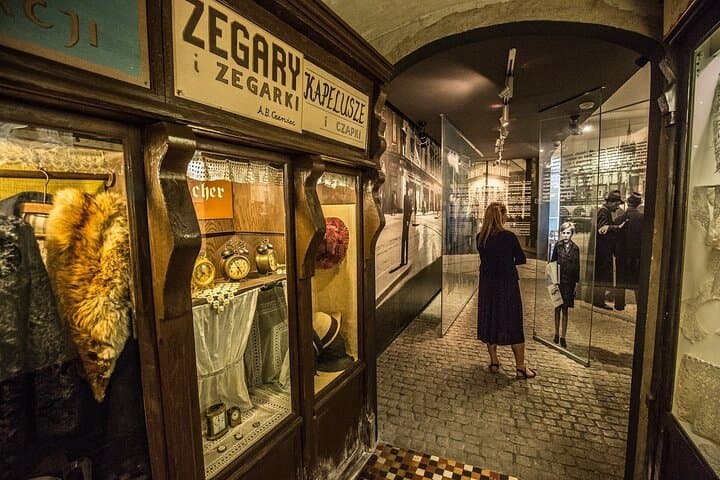
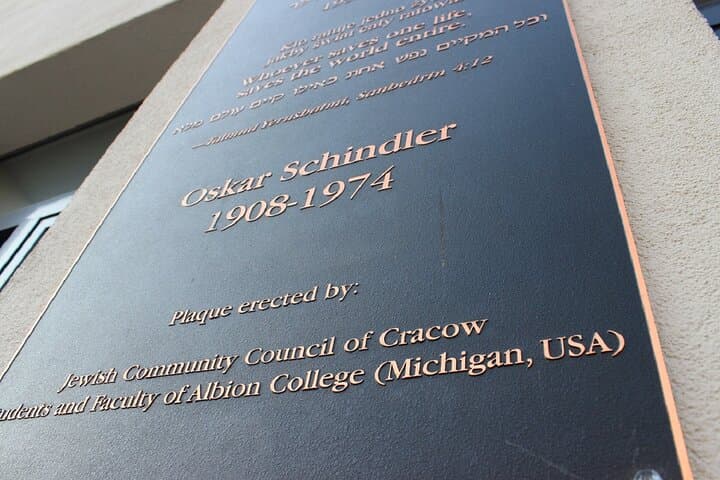
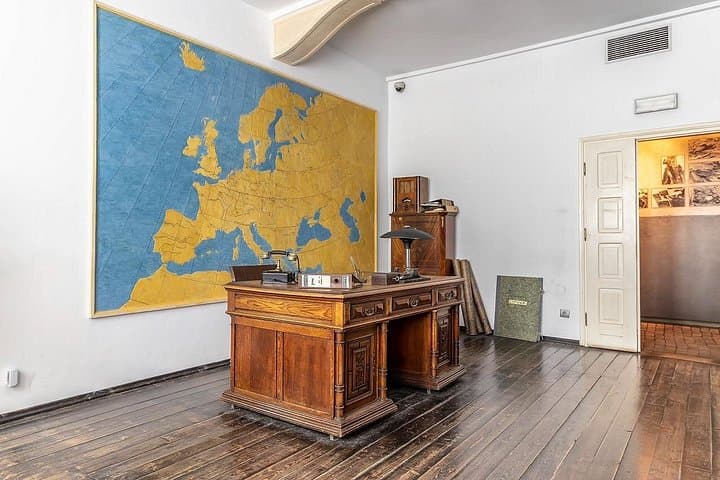
The route traces Krakow's layered past. The Vistula shaped trade and defense; Wawel Hill is built of Jurassic limestone that held medieval power, while across the water Podgórze later housed industry and, during WWII, Oskar Schindler’s enamelworks. The museum relocates visitors into that era with multimedia exhibits and personal stories—this is history told through objects, streetscapes, and survivor narratives rather than film myth.
Expect about 40 minutes on the water followed by a guided 90-minute museum visit—roughly a 2½-hour outing. The cruise offers wide-angle views rather than close stops; the museum is an indoor, interpretive experience with some cobbled walking nearby.
Practical edge: bring ID (museum policy requires passport or national ID), wear sturdy shoes for short walks to and from docks, and layer for wind off the river. Morning light gives the best photos of Wawel; late afternoons warm the brick facades. Public transport serves both embarkation points; the tour ends at the museum, so plan onward transport.
This combo suits travelers who want a quick, scenic introduction to Krakow’s riverside heritage paired with a focused, respectful history lesson about the city under occupation.
easy.
2–3 hours.
Suitable for most travelers; minimal exertion with some standing and short walks.
The itinerary runs about 150 minutes total: roughly 40 minutes on the catamaran and about 90 minutes at the Schindler's Factory guided exhibition.
Yes—full participant names are required when booking and a passport or national ID must be presented at the museum for entry.
Onboard commentary is provided via the boat’s sound system; the museum portion includes a live guide for detailed explanations.
The cruise vessel typically accommodates most passengers, but the museum and surrounding cobbled streets may present challenges—contact the operator for specific accessibility needs.
The Vistula has been Krakow’s lifeline for trade and defense for centuries; Schindler’s Factory preserves the story of the city and its residents under Nazi occupation, told through multimedia and personal artifacts.
Riverbanks are managed for flood control and tourism; visitors should stick to marked paths, avoid disturbing wildlife, and dispose of waste responsibly to protect riparian habitats.
Intercrac Sp. z o.o. operates guided outdoor trips and adventures with an emphasis on safety, stewardship, and memorable experiences.
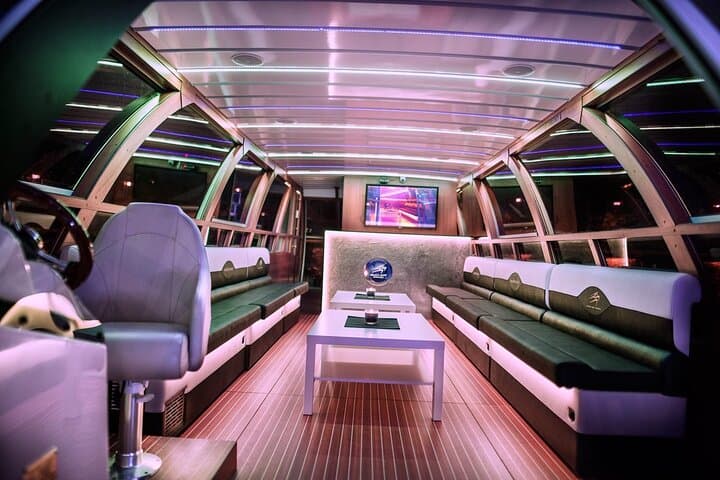
Step aboard a modern catamaran and let the Vistula dare you to look up. The river pushes the city past your rail: Wawel's limestone rise, baroque churches, and the wavering modern lines of museum roofs. On deck, commentary maps the landmarks; below, a heated terrace and leather seating make cooler days manageable.
Step aboard a modern catamaran and let the Vistula dare you to look up. The river pushes the city past your rail: Wawel's limestone rise, baroque churches, and the wavering modern lines of museum roofs. On deck, commentary maps the landmarks; below, a heated terrace and leather seating make cooler days manageable.
The route traces Krakow's layered past. The Vistula shaped trade and defense; Wawel Hill is built of Jurassic limestone that held medieval power, while across the water Podgórze later housed industry and, during WWII, Oskar Schindler’s enamelworks. The museum relocates visitors into that era with multimedia exhibits and personal stories—this is history told through objects, streetscapes, and survivor narratives rather than film myth.
Expect about 40 minutes on the water followed by a guided 90-minute museum visit—roughly a 2½-hour outing. The cruise offers wide-angle views rather than close stops; the museum is an indoor, interpretive experience with some cobbled walking nearby.
Practical edge: bring ID (museum policy requires passport or national ID), wear sturdy shoes for short walks to and from docks, and layer for wind off the river. Morning light gives the best photos of Wawel; late afternoons warm the brick facades. Public transport serves both embarkation points; the tour ends at the museum, so plan onward transport.
This combo suits travelers who want a quick, scenic introduction to Krakow’s riverside heritage paired with a focused, respectful history lesson about the city under occupation.