THE ADVENTURE COLLECTIVE® · Independent discovery and booking for outdoor travel

A long daytrip from Dubrovnik takes you into the Bosna valley to Visoko, where blunt hills dubbed "pyramids" meet debate, countryside views and a medieval fortress. Expect long transfers, uneven trails and a mix of guided interpretation and free exploration.
A long daytrip from Dubrovnik takes you into the Bosna valley to Visoko, where blunt hills dubbed "pyramids" meet debate, countryside views and a medieval fortress. Expect long transfers, uneven trails and a mix of guided interpretation and free exploration.
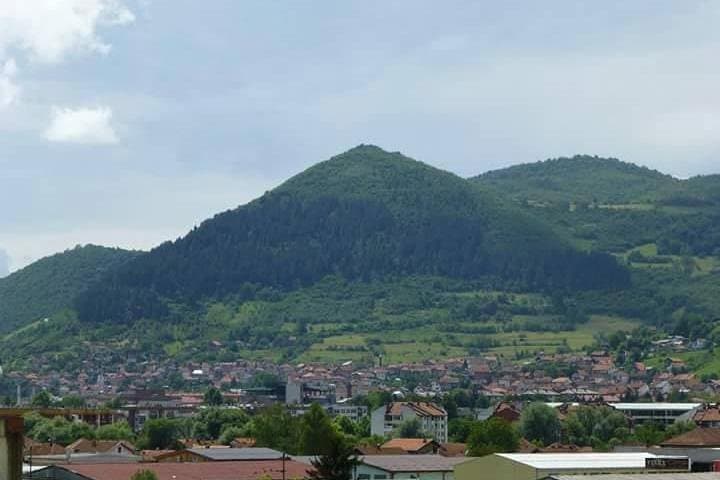
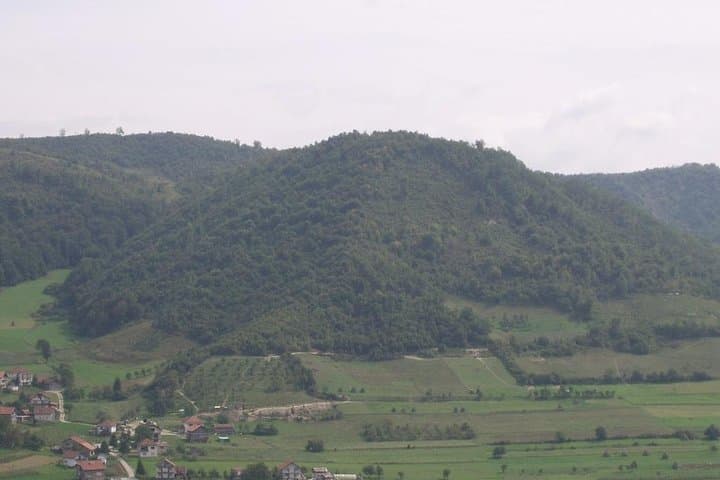
You start before dawn in Dubrovnik, the bus easing out of the Adriatic light and into a landscape that grows greener and more folded the farther inland you go. By late morning the car leaves the highway and the river valley opens; the hills around Visoko rise blunt and compact, as if the earth itself has been quarried into geometric shapes. Those slopes — Visočica, Plješevica and surrounding knolls — have drawn headlines for their alleged pyramid geometry, and a guide will point out the stair-like terraces and boreholes that provoked the debate.
Verified experiences and guided adventures in the surrounding area.
Operated by Ragusa Tours · Visoko, Zenica-Doboj Canton
You start before dawn in Dubrovnik, the bus easing out of the Adriatic light and into a landscape that grows greener and more folded the farther inland you go. By late morning the car leaves the highway and the river valley opens; the hills around Visoko rise blunt and compact, as if the earth itself has been quarried into geometric shapes. Those slopes — Visočica, Plješevica and surrounding knolls — have drawn headlines for their alleged pyramid geometry, and a guide will point out the stair-like terraces and boreholes that provoked the debate.
The site is best understood through layers: geologically these features are natural Miocene sedimentary formations sculpted by erosion; culturally they became a tourist phenomenon after claims surfaced in 2005 that human builders raised them. The town of Visoko sits in the Bosna River valley, with a medieval fortress ruin (Old Town Visoki) watching from a nearby ridge and local farming villages providing a lived-in context to the landscape.
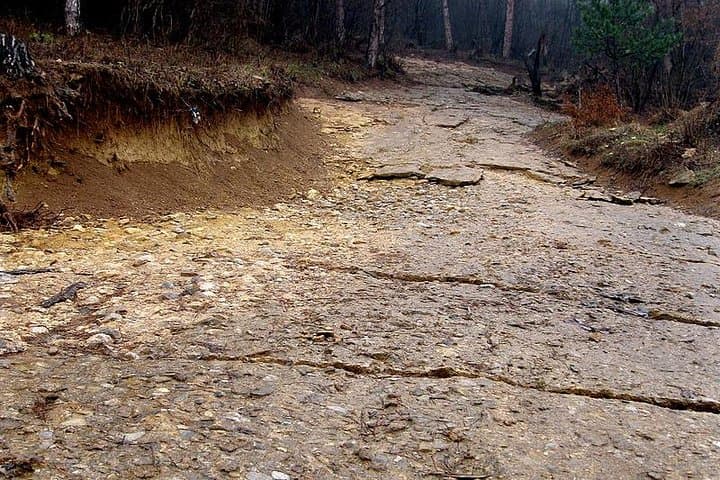
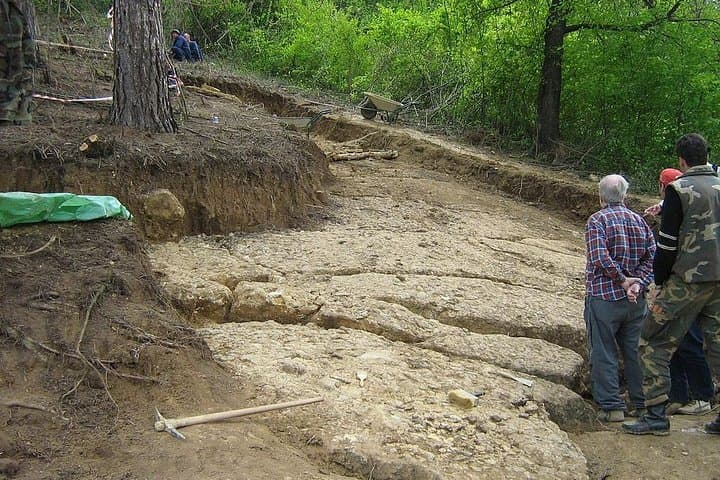
On the ground, expect dusty tracks, short uphill scrambles and open ridge views where winds push clouds across the valley. The interpretive experience mixes guided commentary with free time to climb, photograph and visit small visitor displays; admission to excavations is typically not included. Practicalities matter: this is a long day of driving (roundtrip from Dubrovnik can reach 10–12 hours), border checks between Croatia and Bosnia, and a mix of paved and dirt roads.
Bring sun protection, sturdy shoes for uneven ground, layered clothing for gusty ridge weather, and a patient curiosity: the site is as much about modern mythmaking and rural Bosnian life as it is about rock and slope.
easy.
12 hours (approx.).
Suitable for most fitness levels; requires short uphill walks and ability to handle uneven terrain.
Mainstream geologists and archaeologists view the hills as natural sedimentary formations; the human-built pyramid theory is a pseudoarchaeological claim that remains unproven.
Expect a full day—roughly 10–12 hours roundtrip depending on borders, traffic and time spent on-site.
Walking is moderate: short uphill sections and uneven terrain around the hilltops, suitable for most visitors with basic mobility.
Typically admission to specific excavations isn’t included; read the tour details or ask the operator before booking to confirm inclusions.
Visoko has been an inhabited river valley for centuries; the modern "pyramid" story began in 2005 and quickly turned the hills into a polarizing tourist attraction.
Visitors should stay on established paths and avoid disturbing ongoing digs; local initiatives favor sustainable tourism that supports village economies.
Ragusa Tours operates guided outdoor trips and adventures with an emphasis on safety, stewardship, and memorable experiences.
You start before dawn in Dubrovnik, the bus easing out of the Adriatic light and into a landscape that grows greener and more folded the farther inland you go. By late morning the car leaves the highway and the river valley opens; the hills around Visoko rise blunt and compact, as if the earth itself has been quarried into geometric shapes. Those slopes — Visočica, Plješevica and surrounding knolls — have drawn headlines for their alleged pyramid geometry, and a guide will point out the stair-like terraces and boreholes that provoked the debate.
You start before dawn in Dubrovnik, the bus easing out of the Adriatic light and into a landscape that grows greener and more folded the farther inland you go. By late morning the car leaves the highway and the river valley opens; the hills around Visoko rise blunt and compact, as if the earth itself has been quarried into geometric shapes. Those slopes — Visočica, Plješevica and surrounding knolls — have drawn headlines for their alleged pyramid geometry, and a guide will point out the stair-like terraces and boreholes that provoked the debate.
The site is best understood through layers: geologically these features are natural Miocene sedimentary formations sculpted by erosion; culturally they became a tourist phenomenon after claims surfaced in 2005 that human builders raised them. The town of Visoko sits in the Bosna River valley, with a medieval fortress ruin (Old Town Visoki) watching from a nearby ridge and local farming villages providing a lived-in context to the landscape.
On the ground, expect dusty tracks, short uphill scrambles and open ridge views where winds push clouds across the valley. The interpretive experience mixes guided commentary with free time to climb, photograph and visit small visitor displays; admission to excavations is typically not included. Practicalities matter: this is a long day of driving (roundtrip from Dubrovnik can reach 10–12 hours), border checks between Croatia and Bosnia, and a mix of paved and dirt roads.
Bring sun protection, sturdy shoes for uneven ground, layered clothing for gusty ridge weather, and a patient curiosity: the site is as much about modern mythmaking and rural Bosnian life as it is about rock and slope.