THE ADVENTURE COLLECTIVE® · Independent discovery and booking for outdoor travel

Step onto the Acropolis and stand beneath the Parthenon’s marble columns. This practical guide covers the site’s history, what to expect on arrival, and smart tips for timing, gear, and getting the most from an optional audio guide.
Step onto the Acropolis and stand beneath the Parthenon’s marble columns. This practical guide covers the site’s history, what to expect on arrival, and smart tips for timing, gear, and getting the most from an optional audio guide.
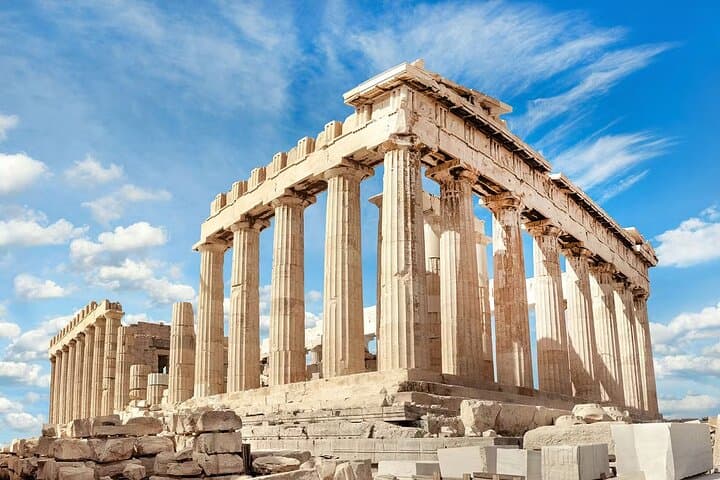
You crest a short rise and the Parthenon fills the sky — sheer Pentelic marble columns standing above Athens like a mission statement. The Aegean sun picks out the faint gold veins in the stone while the city unfolds below: red-tiled roofs, the blue smear of sea, and a wind that pushes the dust and older stories toward you.
Verified experiences and guided adventures in the surrounding area.
Operated by Dream Fly Tourism LLC · Athens, Attica
You crest a short rise and the Parthenon fills the sky — sheer Pentelic marble columns standing above Athens like a mission statement. The Aegean sun picks out the faint gold veins in the stone while the city unfolds below: red-tiled roofs, the blue smear of sea, and a wind that pushes the dust and older stories toward you.
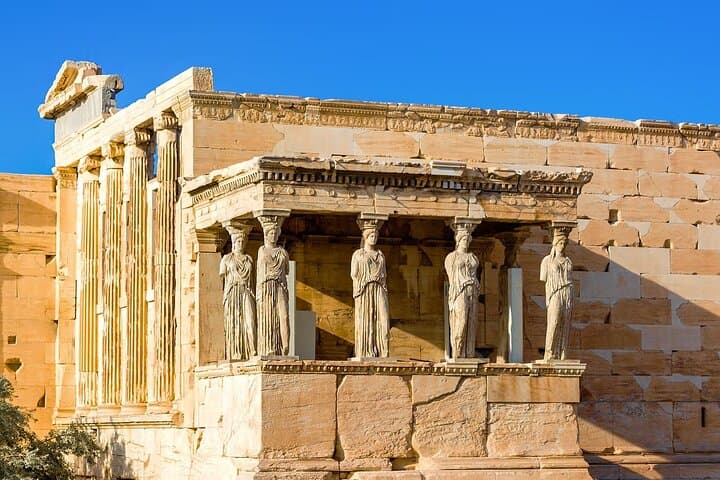
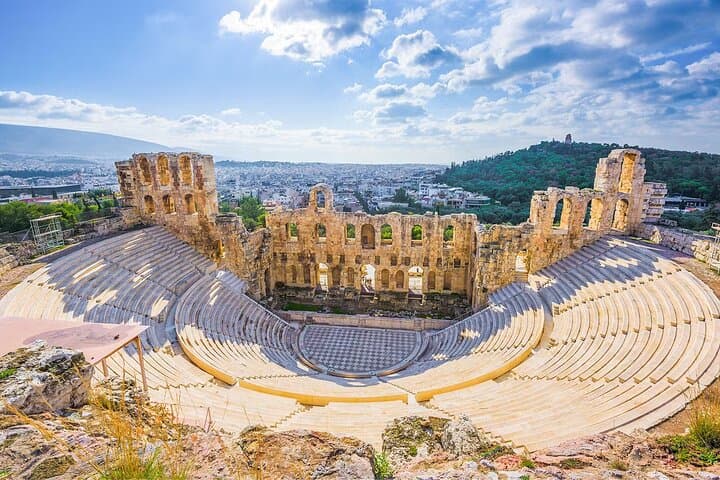
Built in the 5th century BCE during Pericles’ building program, the Parthenon was a treasury, religious center, and artistic showcase. Its marble comes from nearby Mount Pentelicus; the same rock has weathered sun, Ottoman conversions, and the 1687 explosion that reshaped parts of the monument. Around the hill, the Erechtheion’s porch of maidens, the Theatre of Dionysus and the Odeon of Herodes Atticus complement the Parthenon’s formal lines and reveal Athens’ layered civic life.
Practical details matter here: tickets grant access to the Acropolis complex and several surrounding ruins; an optional audio guide fills gaps that signage leaves. Expect uneven marble, short flights of stone steps, and crowded vantage points at midday. Visit early morning or late afternoon for softer light and smaller crowds. Carry water, sun protection, and sturdy shoes — the walk from Plaka is short but steep. Security checks and bag restrictions are enforced; bring ID and a charged phone if you use the offline audio map. Photography is allowed but tripods and large gear are often restricted.
A visit to the Parthenon is both an architectural readout and a physical experience: listen for the wind through columns, watch how the city frames the hill, and give yourself time to move slowly through history.
easy.
1–3 hours.
Suitable for most fitness levels; requires walking up stone steps and over uneven surfaces.
The audio guide is optional and offered as an upgrade; it provides narrated context for major monuments and can usually be downloaded for offline use.
This offering does not include a guaranteed skip-the-line service—expect security checks and queueing during peak hours.
Parts of the Acropolis have steep and uneven surfaces; some areas are accessible but assistance may be needed and full access is limited.
For a full refund, cancel at least 24 hours before your scheduled visit; refunds are not provided within 24 hours of the entry time.
The Parthenon was constructed between 447–432 BCE during Athens’ Golden Age under Pericles and decorated by sculptors including Phidias.
An ongoing restoration by the Acropolis Restoration Service aims to stabilize structures and reverse past repairs; visitor limits and careful pathways reduce wear on fragile marble.
Dream Fly Tourism LLC operates guided outdoor trips and adventures with an emphasis on safety, stewardship, and memorable experiences.

You crest a short rise and the Parthenon fills the sky — sheer Pentelic marble columns standing above Athens like a mission statement. The Aegean sun picks out the faint gold veins in the stone while the city unfolds below: red-tiled roofs, the blue smear of sea, and a wind that pushes the dust and older stories toward you.
You crest a short rise and the Parthenon fills the sky — sheer Pentelic marble columns standing above Athens like a mission statement. The Aegean sun picks out the faint gold veins in the stone while the city unfolds below: red-tiled roofs, the blue smear of sea, and a wind that pushes the dust and older stories toward you.
Built in the 5th century BCE during Pericles’ building program, the Parthenon was a treasury, religious center, and artistic showcase. Its marble comes from nearby Mount Pentelicus; the same rock has weathered sun, Ottoman conversions, and the 1687 explosion that reshaped parts of the monument. Around the hill, the Erechtheion’s porch of maidens, the Theatre of Dionysus and the Odeon of Herodes Atticus complement the Parthenon’s formal lines and reveal Athens’ layered civic life.
Practical details matter here: tickets grant access to the Acropolis complex and several surrounding ruins; an optional audio guide fills gaps that signage leaves. Expect uneven marble, short flights of stone steps, and crowded vantage points at midday. Visit early morning or late afternoon for softer light and smaller crowds. Carry water, sun protection, and sturdy shoes — the walk from Plaka is short but steep. Security checks and bag restrictions are enforced; bring ID and a charged phone if you use the offline audio map. Photography is allowed but tripods and large gear are often restricted.
A visit to the Parthenon is both an architectural readout and a physical experience: listen for the wind through columns, watch how the city frames the hill, and give yourself time to move slowly through history.