THE ADVENTURE COLLECTIVE® · Independent discovery and booking for outdoor travel

Timed admission to the 9/11 Memorial Museum gives you two hours to move between memorials, artifacts and first-person accounts in Lower Manhattan. Expect security screening, accessible facilities and emotionally powerful exhibits — plan to arrive early and move deliberately.
Timed admission to the 9/11 Memorial Museum gives you two hours to move between memorials, artifacts and first-person accounts in Lower Manhattan. Expect security screening, accessible facilities and emotionally powerful exhibits — plan to arrive early and move deliberately.
You step off the street in Lower Manhattan and the city sound folds away; light from the open courtyard cuts a cool rectangle across the plaza and the twin voids wait in silence. Inside, the museum directs attention with quiet precision — artifacts, oral histories and fragments of structure that anchor a complex public memory.
Verified experiences and guided adventures in the surrounding area.
Operated by National September 11 Memorial & Museum · New York, NY
You step off the street in Lower Manhattan and the city sound folds away; light from the open courtyard cuts a cool rectangle across the plaza and the twin voids wait in silence. Inside, the museum directs attention with quiet precision — artifacts, oral histories and fragments of structure that anchor a complex public memory.
The museum documents the events of September 11, 2001 (and the 1993 World Trade Center bombing) through three historical exhibition sections plus the memorial exhibition. Geologically, the towers were anchored to Manhattan schist below the site; the architecture and foundations are part of a long urban story of reclamation and rebuilding. Culturally, the site is both museum and civic place: visitors come to learn, reflect and to encounter first-person accounts and personal belongings displayed with curatorial restraint.
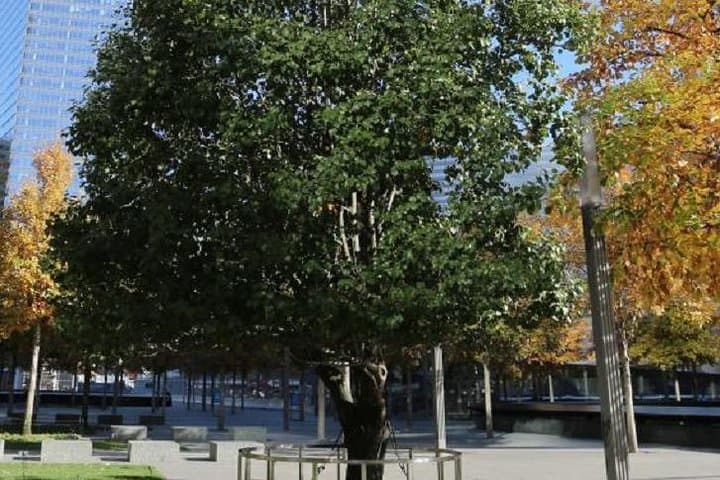
Expect a roughly two-hour self-guided visit on a timed ticket; security screening is mandatory and bags above a certain size may be stored. The Survivor Tree outside and St. Paul’s Chapel across the street are quiet extensions of the story. Audio, photographic, and textual elements shift the tone from memorial to investigation to lived memory — plan for pacing and quiet respect. Practical advice: arrive 15–30 minutes early, keep conversations low, and allow extra time if you need mobility assistance. The museum is wheelchair accessible and family-friendly in layout, though children’s reactions vary.
This is a measured experience: emotionally intense, historically dense, and logistically straightforward if you come prepared.
easy.
2 hours.
Suitable for most visitors; involves walking between galleries and standing for exhibits so basic mobility is helpful
The standard admission allows about two hours; many visitors complete the core exhibitions in this time, though you can stay longer if you wish.
Yes — all areas and surfaces are wheelchair accessible and the museum provides accommodations; contact staff if you’ll need special assistance.
No — there is no re-entry once you exit the museum, so plan restroom and coat-room needs accordingly before you go back outside.
Photography for private, non-commercial use is permitted, but flash may be restricted and phone conversations are prohibited in galleries.
The museum documents the attacks of September 11, 2001 and the 1993 World Trade Center bombing, honoring the 2,983 victims and those who responded to the events.
Site management focuses on preservation of artifacts and respectful use of the memorial plaza; visitors are asked to follow rules that minimize wear and protect exhibits.
National September 11 Memorial & Museum operates guided outdoor trips and adventures with an emphasis on safety, stewardship, and memorable experiences.
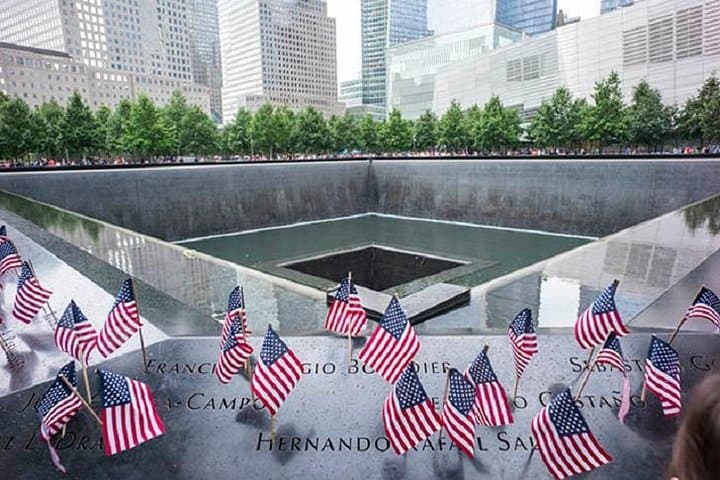
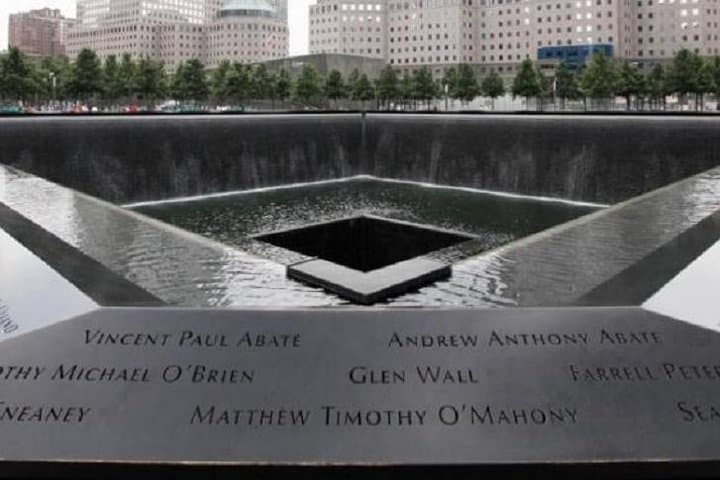
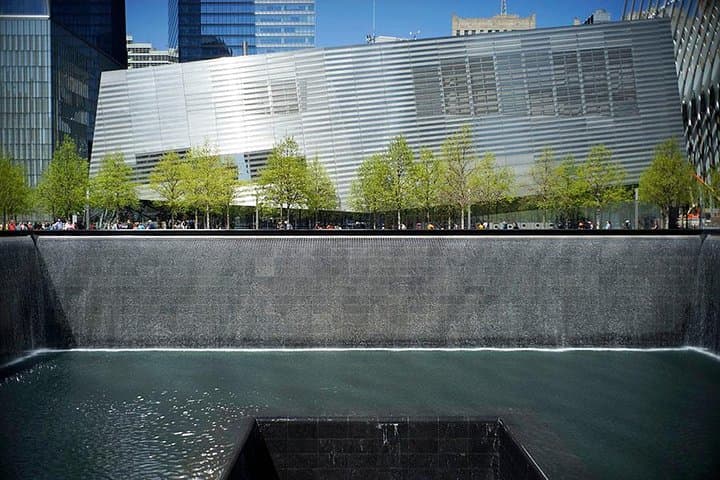
You step off the street in Lower Manhattan and the city sound folds away; light from the open courtyard cuts a cool rectangle across the plaza and the twin voids wait in silence. Inside, the museum directs attention with quiet precision — artifacts, oral histories and fragments of structure that anchor a complex public memory.
You step off the street in Lower Manhattan and the city sound folds away; light from the open courtyard cuts a cool rectangle across the plaza and the twin voids wait in silence. Inside, the museum directs attention with quiet precision — artifacts, oral histories and fragments of structure that anchor a complex public memory.
The museum documents the events of September 11, 2001 (and the 1993 World Trade Center bombing) through three historical exhibition sections plus the memorial exhibition. Geologically, the towers were anchored to Manhattan schist below the site; the architecture and foundations are part of a long urban story of reclamation and rebuilding. Culturally, the site is both museum and civic place: visitors come to learn, reflect and to encounter first-person accounts and personal belongings displayed with curatorial restraint.
Expect a roughly two-hour self-guided visit on a timed ticket; security screening is mandatory and bags above a certain size may be stored. The Survivor Tree outside and St. Paul’s Chapel across the street are quiet extensions of the story. Audio, photographic, and textual elements shift the tone from memorial to investigation to lived memory — plan for pacing and quiet respect. Practical advice: arrive 15–30 minutes early, keep conversations low, and allow extra time if you need mobility assistance. The museum is wheelchair accessible and family-friendly in layout, though children’s reactions vary.
This is a measured experience: emotionally intense, historically dense, and logistically straightforward if you come prepared.