THE ADVENTURE COLLECTIVE® · Independent discovery and booking for outdoor travel

A guided day trip from Prague brings you to Terezín (Theresienstadt), a former ghetto and concentration camp where a licensed guide walks visitors through the museum, Secret Synagogue, cemetery, and the Small Fortress. This tour combines history with practical logistics — transport, entrances and a sober, contextual look at the site.
A guided day trip from Prague brings you to Terezín (Theresienstadt), a former ghetto and concentration camp where a licensed guide walks visitors through the museum, Secret Synagogue, cemetery, and the Small Fortress. This tour combines history with practical logistics — transport, entrances and a sober, contextual look at the site.
You step from an air-conditioned car onto a pale, quiet square and the town seems to exhale — walls and cobbles holding stories that refuse to fade. The gabled buildings of Terezín (Terezin) frame the route to the former ghetto; the approach is measured, almost clinical, and the absence of noise forces attention inward.
Verified experiences and guided adventures in the surrounding area.
Operated by Prague Best Experience · Terezín, Ústí nad Labem Region
You step from an air-conditioned car onto a pale, quiet square and the town seems to exhale — walls and cobbles holding stories that refuse to fade. The gabled buildings of Terezín (Terezin) frame the route to the former ghetto; the approach is measured, almost clinical, and the absence of noise forces attention inward.
Terezín began life as an 18th-century Habsburg fortress before being repurposed by the Nazis in World War II as Theresienstadt, a hybrid ghetto and transit camp. The guided visit typically covers the Ghetto Museum, the Secret Synagogue where clandestine services were held, the Jewish cemetery, and the crematorium, with an optional visit to the Small Fortress — the Gestapo prison that processed political prisoners.
Geologically, the town sits on low rolling plains of the Elbe basin; stone and brick from the fortress dominate the built environment rather than dramatic natural features. Culturally, Terezín is a concentrated lesson in how propaganda, bureaucracy, and violence intersected; artifacts, letters, and drawings preserved here make the history tangible.
Practical guidance: tours usually include round-trip transport from Prague and last about five hours total. Wear comfortable, flat shoes for cobbles and interior floors; expect guided commentary to be matter-of-fact and emotionally heavy. Photography rules vary — follow signage and the guide’s directions. Allow time for quiet reflection at memorial areas and plan transport logistics and timing in advance. Hydrate and layer up; weather can shift quickly on exposed ramparts. Visitors should be prepared for solemn content and maintain respectful behavior throughout the site.
easy.
5 hours (including transport).
Suitable for most fitness levels; requires walking short distances on uneven ground and some standing during commentary.
Yes — most tours include round-trip transport from Prague, pickup and drop-off are typically offered from central points or hotels.
Admission to the Ghetto Museum and associated sites is generally included; confirm whether the Small Fortress interior visit is part of your selected itinerary.
Children can visit but the content is heavy; parental discretion is advised and children should be prepared for solemn subject matter.
Many areas are wheelchair accessible, and the operator lists accessibility features — however some historical interiors and cemetery paths may be uneven; check specifics before booking.
Terezín (Theresienstadt) was an 18th-century fortress later used by the Nazis as a ghetto and transit camp; the Small Fortress functioned as a Gestapo prison for political detainees.
The memorials are maintained by Czech institutions and supported by careful visitor protocols; follow signage, stick to paths, and avoid touching artifacts to minimize wear.
Prague Best Experience operates guided outdoor trips and adventures with an emphasis on safety, stewardship, and memorable experiences.
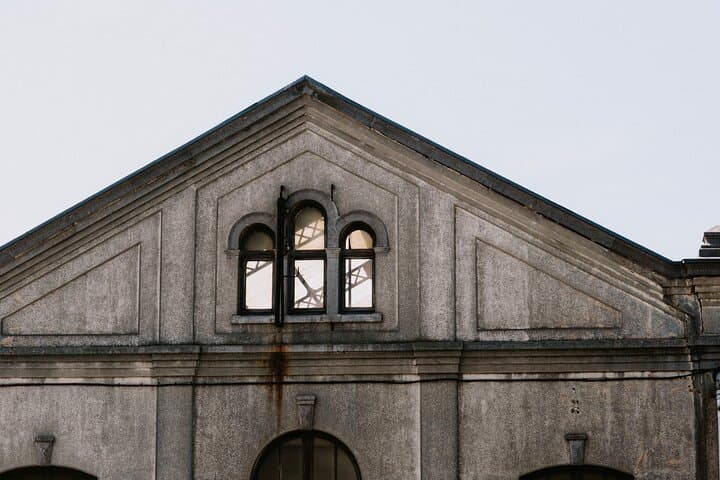
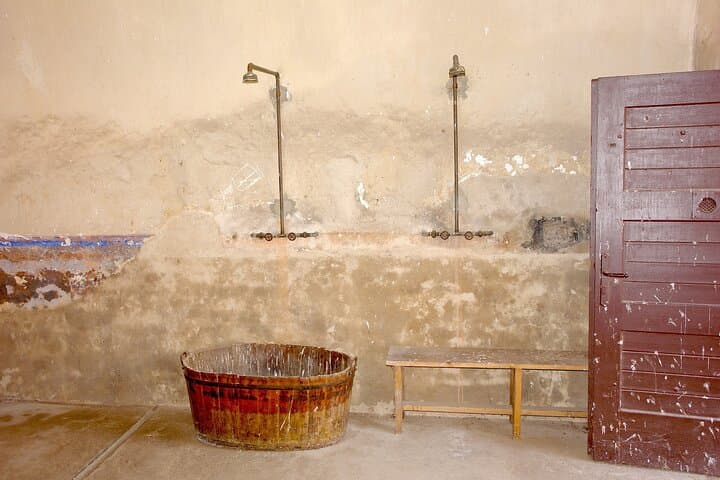
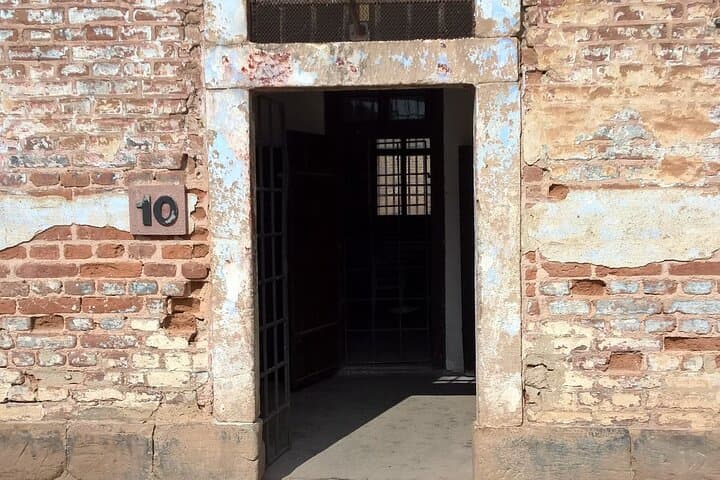
You step from an air-conditioned car onto a pale, quiet square and the town seems to exhale — walls and cobbles holding stories that refuse to fade. The gabled buildings of Terezín (Terezin) frame the route to the former ghetto; the approach is measured, almost clinical, and the absence of noise forces attention inward.
You step from an air-conditioned car onto a pale, quiet square and the town seems to exhale — walls and cobbles holding stories that refuse to fade. The gabled buildings of Terezín (Terezin) frame the route to the former ghetto; the approach is measured, almost clinical, and the absence of noise forces attention inward.
Terezín began life as an 18th-century Habsburg fortress before being repurposed by the Nazis in World War II as Theresienstadt, a hybrid ghetto and transit camp. The guided visit typically covers the Ghetto Museum, the Secret Synagogue where clandestine services were held, the Jewish cemetery, and the crematorium, with an optional visit to the Small Fortress — the Gestapo prison that processed political prisoners.
Geologically, the town sits on low rolling plains of the Elbe basin; stone and brick from the fortress dominate the built environment rather than dramatic natural features. Culturally, Terezín is a concentrated lesson in how propaganda, bureaucracy, and violence intersected; artifacts, letters, and drawings preserved here make the history tangible.
Practical guidance: tours usually include round-trip transport from Prague and last about five hours total. Wear comfortable, flat shoes for cobbles and interior floors; expect guided commentary to be matter-of-fact and emotionally heavy. Photography rules vary — follow signage and the guide’s directions. Allow time for quiet reflection at memorial areas and plan transport logistics and timing in advance. Hydrate and layer up; weather can shift quickly on exposed ramparts. Visitors should be prepared for solemn content and maintain respectful behavior throughout the site.