THE ADVENTURE COLLECTIVE® · Independent discovery and booking for outdoor travel

Perched on a limestone cliff, Ostrog Monastery draws pilgrims and curious travelers alike. This guide outlines what to expect—history, terrain, etiquette and practical tips for a 4–6 hour tour from Podgorica.
Perched on a limestone cliff, Ostrog Monastery draws pilgrims and curious travelers alike. This guide outlines what to expect—history, terrain, etiquette and practical tips for a 4–6 hour tour from Podgorica.
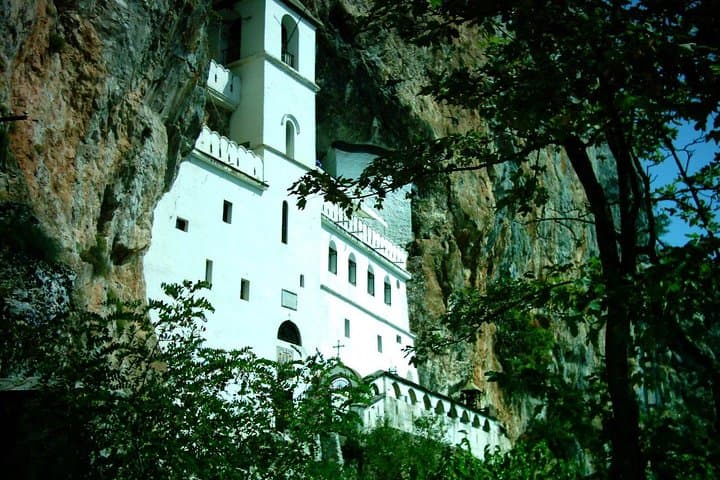
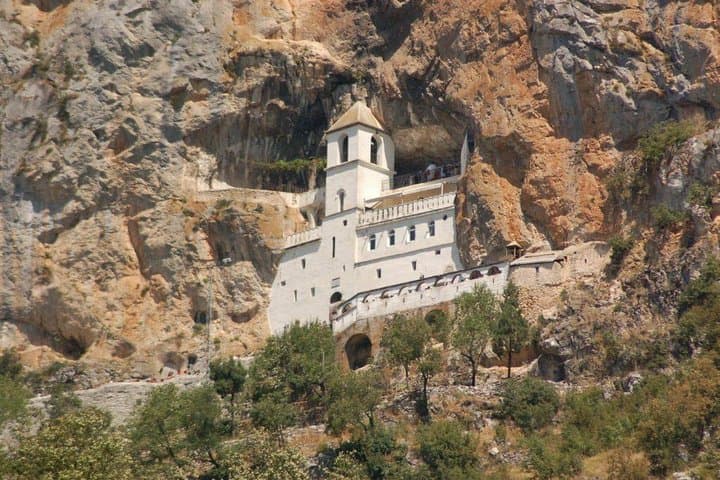
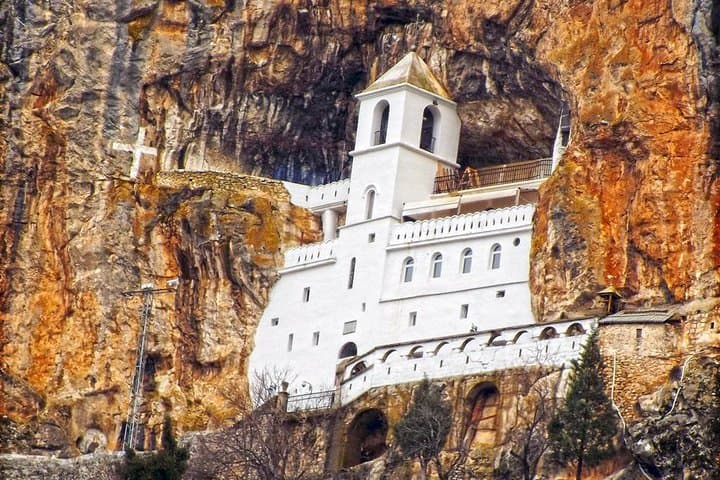
You arrive on a narrow road that climbs out of the Bjelopavlići plain, the mountain rock rising like a grey hand holding a white chapel. Wind pushes through the pines and the monastery’s white façades catch the light—an austere silhouette high above the valley. Pilgrims move with quiet purpose along the carved stairs; the cliff feels almost like a living thing, keeping watch.
Verified experiences and guided adventures in the surrounding area.
Operated by Marco Polo Travel Agency · Danilovgrad, Danilovgrad Municipality
You arrive on a narrow road that climbs out of the Bjelopavlići plain, the mountain rock rising like a grey hand holding a white chapel. Wind pushes through the pines and the monastery’s white façades catch the light—an austere silhouette high above the valley. Pilgrims move with quiet purpose along the carved stairs; the cliff feels almost like a living thing, keeping watch.
Ostrog Monastery, founded in the 17th century by Vasilije of Ostrog, is carved into a sheer vertical face of Ostroška Greda. Historically it became a refuge during Ottoman times and today draws visitors from across the Balkans and beyond for its relics and reputation for healing. Geologically, the monastery perches on limestone cliffs that slope into karst fields below; the landscape shifts between cultivated valley and scrubby highland forest.
Culturally the site crosses religious lines—Orthodox icons and votive offerings share space with interfaith visitors who come for quiet and contemplation. Local guides will point out nearby attractions: the Bjelopavlići valley, small shepherding hamlets, and the panoramic views toward Montenegro’s interior.
Practical guidance: tours from Podgorica run 4–6 hours; wear modest clothing (shoulders and knees covered), sturdy shoes for stone steps, and bring water—the climb and midday sun can be tiring. Photography is permitted in many areas but respect worshippers and restricted chapel spaces. If you have limited mobility request details about uphill paths and vehicle drop-off when booking. Timing your visit early or late in the day avoids peak crowds and gives sharper light for the cliffs.
easy.
4–6 hours.
Moderate fitness recommended—able to manage short uphill walks and stairs.
Typical excursions run 4–6 hours total, including transport time and roughly two hours at the monastery.
Yes—shoulders and knees should be covered inside chapels; carry a scarf or wear modest clothing.
Some areas require stairs; ask the operator about vehicle drop-off points and the extent of uphill walking before booking.
Photography is allowed in many outdoor areas but may be restricted inside chapels—always ask and avoid photographing worshippers.
Founded in the 17th century by Vasilije of Ostrog, the monastery became a refuge during Ottoman rule and later a major pilgrimage site for Eastern Orthodox believers.
The monastery sits on sensitive karst slopes—stay on marked paths, avoid littering, and respect local regulations to protect the cliff-face and native vegetation.
Marco Polo Travel Agency operates guided outdoor trips and adventures with an emphasis on safety, stewardship, and memorable experiences.
You arrive on a narrow road that climbs out of the Bjelopavlići plain, the mountain rock rising like a grey hand holding a white chapel. Wind pushes through the pines and the monastery’s white façades catch the light—an austere silhouette high above the valley. Pilgrims move with quiet purpose along the carved stairs; the cliff feels almost like a living thing, keeping watch.
You arrive on a narrow road that climbs out of the Bjelopavlići plain, the mountain rock rising like a grey hand holding a white chapel. Wind pushes through the pines and the monastery’s white façades catch the light—an austere silhouette high above the valley. Pilgrims move with quiet purpose along the carved stairs; the cliff feels almost like a living thing, keeping watch.
Ostrog Monastery, founded in the 17th century by Vasilije of Ostrog, is carved into a sheer vertical face of Ostroška Greda. Historically it became a refuge during Ottoman times and today draws visitors from across the Balkans and beyond for its relics and reputation for healing. Geologically, the monastery perches on limestone cliffs that slope into karst fields below; the landscape shifts between cultivated valley and scrubby highland forest.
Culturally the site crosses religious lines—Orthodox icons and votive offerings share space with interfaith visitors who come for quiet and contemplation. Local guides will point out nearby attractions: the Bjelopavlići valley, small shepherding hamlets, and the panoramic views toward Montenegro’s interior.
Practical guidance: tours from Podgorica run 4–6 hours; wear modest clothing (shoulders and knees covered), sturdy shoes for stone steps, and bring water—the climb and midday sun can be tiring. Photography is permitted in many areas but respect worshippers and restricted chapel spaces. If you have limited mobility request details about uphill paths and vehicle drop-off when booking. Timing your visit early or late in the day avoids peak crowds and gives sharper light for the cliffs.