THE ADVENTURE COLLECTIVE® · Independent discovery and booking for outdoor travel

Explore MoMA’s influential modern and contemporary collections in Midtown Manhattan. This guide covers highlights, practical visitor tips and what to expect during your visit.
Explore MoMA’s influential modern and contemporary collections in Midtown Manhattan. This guide covers highlights, practical visitor tips and what to expect during your visit.
You step off 53rd Street into a corridor of light and glass where galleries open like chapters. The city’s noise thins to a low hum; canvases and sculptures command space with a quiet insistence. MoMA’s rooms move from intimate studies to large-scale installations, and even before you reach Starry Night the building has already set a brisk, deliberate pace for the visit.
Verified experiences and guided adventures in the surrounding area.
Operated by TrevoTour Travels · New York, New York
You step off 53rd Street into a corridor of light and glass where galleries open like chapters. The city’s noise thins to a low hum; canvases and sculptures command space with a quiet insistence. MoMA’s rooms move from intimate studies to large-scale installations, and even before you reach Starry Night the building has already set a brisk, deliberate pace for the visit.
Founded in 1929 by collectors including Abby Aldrich Rockefeller, MoMA reorganized how the public sees modern art; its collection traces movements from Impressionism through contemporary practice. The museum’s design and architecture galleries reveal industrial-age materials repurposed into objects of design, while the sculpture garden offers a pause of skyline and sky. Cultural programs — film screenings, artist talks and rotating exhibitions — keep the calendar lively, and the conservation labs work behind the scenes to preserve fragile pigments and prints.
Practical guidance: allow 3–6 hours to move at a measured pace; peak hours are late afternoon and Friday evenings when the museum stays open later. Mobile tickets and a downloadable audio guide simplify navigation; note that re-entry is not permitted and bags are subject to security checks. Wear comfortable shoes for tile floors and stairs, charge your phone for the digital guide, and plan for short café breaks. For quieter viewing, arrive at opening or late afternoon on weekdays. Whether you linger over a single masterpiece or sweep the galleries, MoMA rewards close looking with new details at every turn.
easy.
6–7 hours.
Light walking and standing; suitable for most visitors comfortable with multi-hour museum visits
No — per museum policy re-entry is not permitted once you exit, so plan breaks inside the galleries and use onsite facilities.
Personal photography without flash is generally allowed, but some special exhibitions or specific artworks may be restricted — follow posted signs and staff instructions.
Yes — MoMA is wheelchair accessible, offers elevators between floors, and provides accessible seating and restroom facilities; contact the museum for specific assistance needs.
All sales are final; no refunds are available, so confirm dates before booking and review the ticket details provided at purchase.
MoMA was founded in 1929 by a group of collectors who aimed to build a public institution for modern art; over decades it expanded collections and reconfigured its Midtown campus to reflect changing art movements.
MoMA maintains an active conservation department focused on modern materials and sustainable exhibition practices; visitors should respect handling rules and no-touch policies to protect works.
TrevoTour Travels operates guided outdoor trips and adventures with an emphasis on safety, stewardship, and memorable experiences.
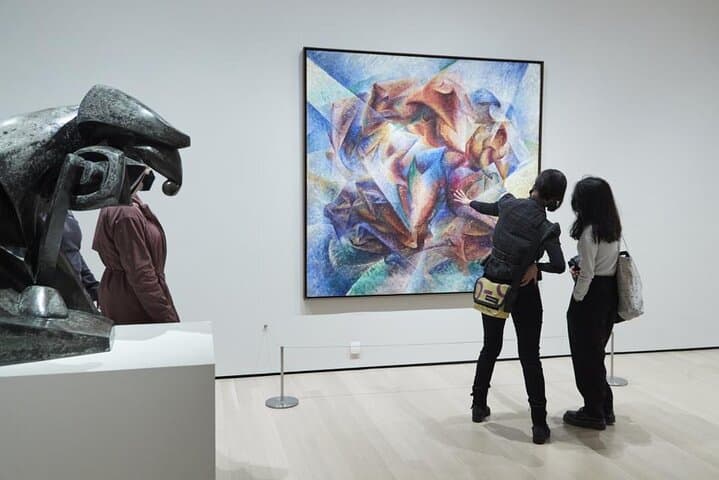
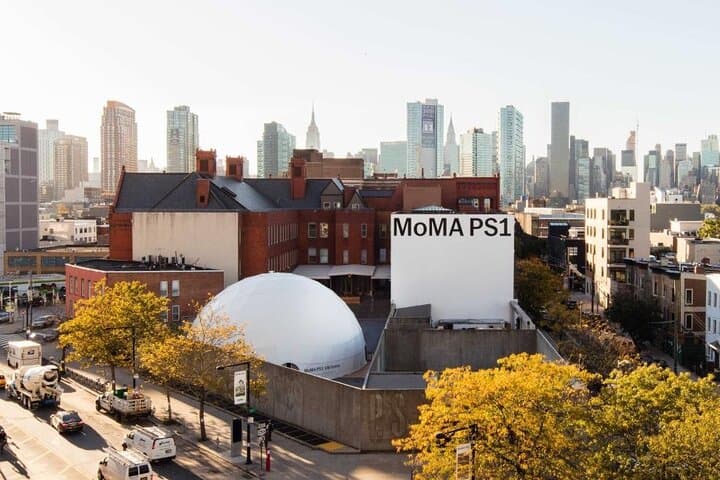
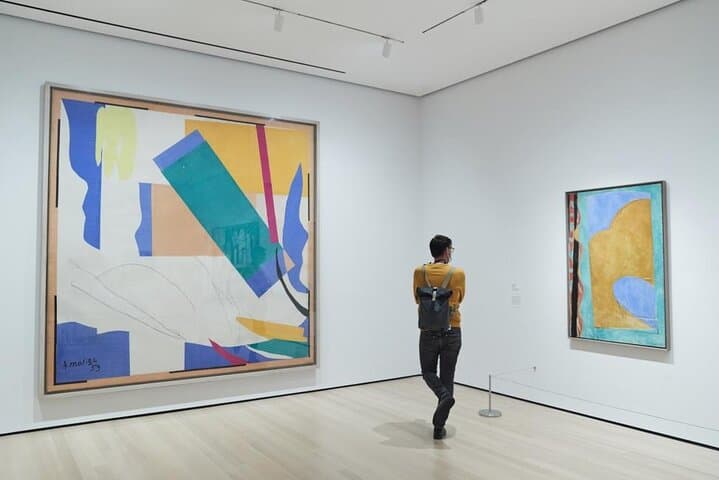
You step off 53rd Street into a corridor of light and glass where galleries open like chapters. The city’s noise thins to a low hum; canvases and sculptures command space with a quiet insistence. MoMA’s rooms move from intimate studies to large-scale installations, and even before you reach Starry Night the building has already set a brisk, deliberate pace for the visit.
You step off 53rd Street into a corridor of light and glass where galleries open like chapters. The city’s noise thins to a low hum; canvases and sculptures command space with a quiet insistence. MoMA’s rooms move from intimate studies to large-scale installations, and even before you reach Starry Night the building has already set a brisk, deliberate pace for the visit.
Founded in 1929 by collectors including Abby Aldrich Rockefeller, MoMA reorganized how the public sees modern art; its collection traces movements from Impressionism through contemporary practice. The museum’s design and architecture galleries reveal industrial-age materials repurposed into objects of design, while the sculpture garden offers a pause of skyline and sky. Cultural programs — film screenings, artist talks and rotating exhibitions — keep the calendar lively, and the conservation labs work behind the scenes to preserve fragile pigments and prints.
Practical guidance: allow 3–6 hours to move at a measured pace; peak hours are late afternoon and Friday evenings when the museum stays open later. Mobile tickets and a downloadable audio guide simplify navigation; note that re-entry is not permitted and bags are subject to security checks. Wear comfortable shoes for tile floors and stairs, charge your phone for the digital guide, and plan for short café breaks. For quieter viewing, arrive at opening or late afternoon on weekdays. Whether you linger over a single masterpiece or sweep the galleries, MoMA rewards close looking with new details at every turn.