THE ADVENTURE COLLECTIVE® · Independent discovery and booking for outdoor travel

Explore Kalabsha Temple, Lower Nubia’s largest free-standing temple relocated during the Aswan dam project. This practical guide covers history, geology, cultural highlights, and what to bring for a short, insightful visit from Aswan.
Explore Kalabsha Temple, Lower Nubia’s largest free-standing temple relocated during the Aswan dam project. This practical guide covers history, geology, cultural highlights, and what to bring for a short, insightful visit from Aswan.
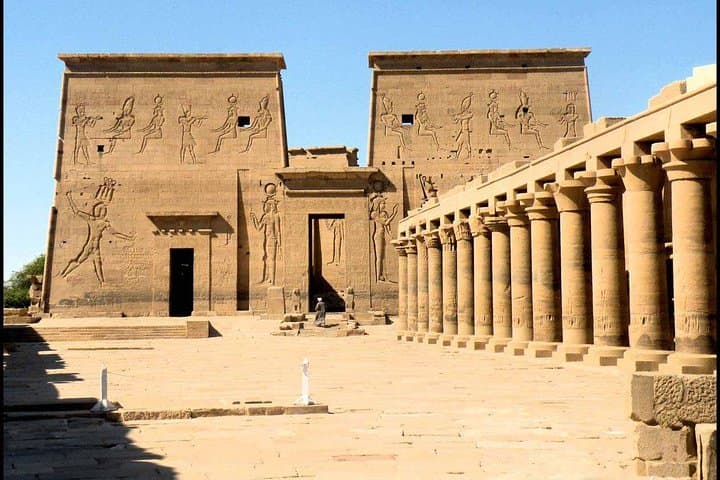
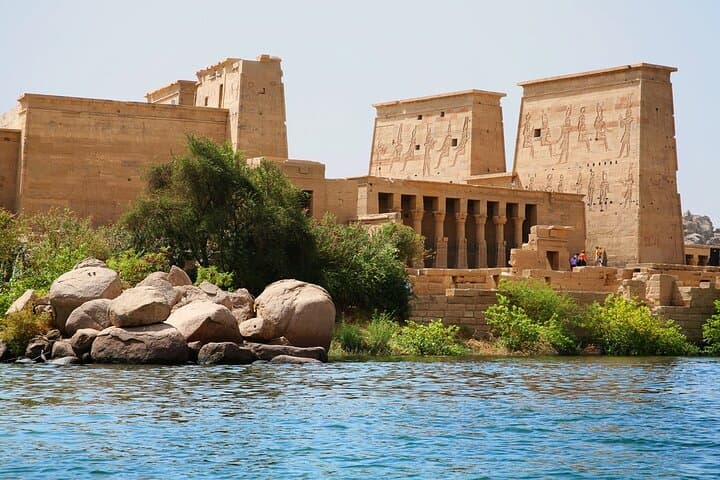
The sun hits the low sandstone walls and the carved figure of Mandulis looks out across a glassy stretch of water; the air smells faintly of dust and river reeds. You step from an air-conditioned vehicle onto flat, compacted ground and the scale is immediate — a free-standing Nubian temple relocated stone-by-stone to escape the rising waters of the Aswan High Dam.
Verified experiences and guided adventures in the surrounding area.
Operated by NORTH AFRICAN SHIPPING AND TOURISM COMPANY (NASCO TOURS) · Aswan, Aswan Governorate
The sun hits the low sandstone walls and the carved figure of Mandulis looks out across a glassy stretch of water; the air smells faintly of dust and river reeds. You step from an air-conditioned vehicle onto flat, compacted ground and the scale is immediate — a free-standing Nubian temple relocated stone-by-stone to escape the rising waters of the Aswan High Dam.
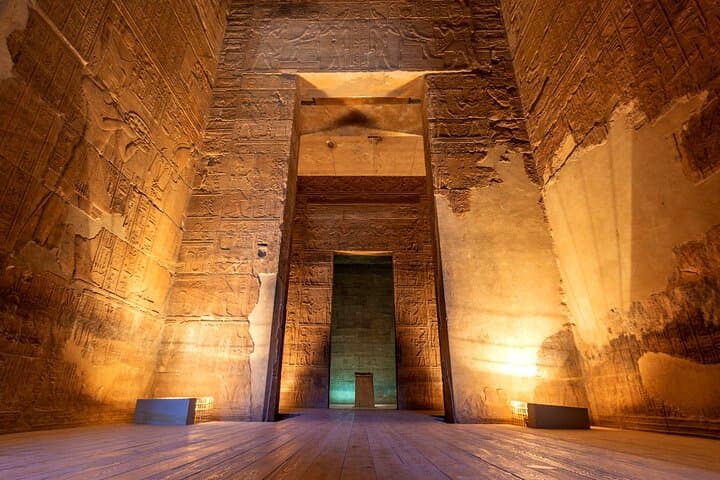
Built during the reign of Augustus (30 BC–14 AD), Kalabsha honors Mandulis alongside Isis and Osiris. The temple’s blocks were cut from local sandstone and, after the dam project in the 1960s, international teams rebuilt it at New Kalabsha, preserving original reliefs and inscriptions. That history sits against Aswan’s geology: nearby granite outcrops and the gentle broadness of Lake Nasser frame the site, while the Nile’s ancient current once defined trade and ritual routes through Lower Nubia.
Culturally, Kalabsha is Nubian as much as Greco-Roman — the iconography blends local deities with imperial motifs, reflecting centuries of layered rule. Local guides often point out modest but sharp details: reused blocks, boat graffiti, and later inscriptions that speak to changing beliefs.
Practical guidance: expect a mostly flat, short walk (under 1 km total on compact paths) with minimal elevation change. Plan 60–90 minutes on site to read reliefs and take photos; bring sun protection, at least 1 liter of water, and comfortable closed-toe shoes for the uneven temple thresholds. The site is accessible by road from Aswan and commonly visited as a private or guided day trip — early morning visits are cooler and yield crisper light for photography.
easy.
2–2.5 hours.
Suitable for most fitness levels; minimal walking and no sustained climbs.
Plan for 60–90 minutes on site; total door-to-door from Aswan as part of a private transfer can be 2–3 hours including drive time.
Many private tours include admission; confirm at booking — some itineraries show admission included for the main temple visit.
The temple area is mostly flat but has some uneven ancient stone surfaces; ramps are limited—travelers with mobility concerns should request accommodations in advance.
Photography is generally allowed for personal use, but avoid flash on fragile reliefs and follow any posted restrictions or guide instructions.
Kalabsha was built under Roman rule and later relocated in the 1960s during UNESCO-led efforts to save Nubian monuments from the Aswan High Dam reservoir.
Visitor numbers are managed to protect fragile reliefs; avoid touching carvings and support local guides who follow preservation protocols.
NORTH AFRICAN SHIPPING AND TOURISM COMPANY (NASCO TOURS) operates guided outdoor trips and adventures with an emphasis on safety, stewardship, and memorable experiences.
The sun hits the low sandstone walls and the carved figure of Mandulis looks out across a glassy stretch of water; the air smells faintly of dust and river reeds. You step from an air-conditioned vehicle onto flat, compacted ground and the scale is immediate — a free-standing Nubian temple relocated stone-by-stone to escape the rising waters of the Aswan High Dam.
The sun hits the low sandstone walls and the carved figure of Mandulis looks out across a glassy stretch of water; the air smells faintly of dust and river reeds. You step from an air-conditioned vehicle onto flat, compacted ground and the scale is immediate — a free-standing Nubian temple relocated stone-by-stone to escape the rising waters of the Aswan High Dam.
Built during the reign of Augustus (30 BC–14 AD), Kalabsha honors Mandulis alongside Isis and Osiris. The temple’s blocks were cut from local sandstone and, after the dam project in the 1960s, international teams rebuilt it at New Kalabsha, preserving original reliefs and inscriptions. That history sits against Aswan’s geology: nearby granite outcrops and the gentle broadness of Lake Nasser frame the site, while the Nile’s ancient current once defined trade and ritual routes through Lower Nubia.
Culturally, Kalabsha is Nubian as much as Greco-Roman — the iconography blends local deities with imperial motifs, reflecting centuries of layered rule. Local guides often point out modest but sharp details: reused blocks, boat graffiti, and later inscriptions that speak to changing beliefs.
Practical guidance: expect a mostly flat, short walk (under 1 km total on compact paths) with minimal elevation change. Plan 60–90 minutes on site to read reliefs and take photos; bring sun protection, at least 1 liter of water, and comfortable closed-toe shoes for the uneven temple thresholds. The site is accessible by road from Aswan and commonly visited as a private or guided day trip — early morning visits are cooler and yield crisper light for photography.