THE ADVENTURE COLLECTIVE® · Independent discovery and booking for outdoor travel

A sprawling engineered oasis in Dubailand, Dubai Miracle Garden showcases millions of blooms across themed installations. This guide explains what to expect, the best seasons to visit, and practical tips to make the most of your floral day out.
A sprawling engineered oasis in Dubailand, Dubai Miracle Garden showcases millions of blooms across themed installations. This guide explains what to expect, the best seasons to visit, and practical tips to make the most of your floral day out.
You step through a lattice of shade umbrellas and the air shifts: a concentrated sweetness of cut stems and warmed soil, a ribbon of color that pushes against the surrounding sand. Dubai Miracle Garden unfolds across 72,000 square meters — enormous floral sculptures, arched tunnels of blooms and a giant water wheel, each arrangement intent on catching light and camera shutters.
Verified experiences and guided adventures in the surrounding area.
Operated by ALATWAL TRAVEL · Dubai, Dubai
You step through a lattice of shade umbrellas and the air shifts: a concentrated sweetness of cut stems and warmed soil, a ribbon of color that pushes against the surrounding sand. Dubai Miracle Garden unfolds across 72,000 square meters — enormous floral sculptures, arched tunnels of blooms and a giant water wheel, each arrangement intent on catching light and camera shutters.
Opened in 2013 as part of Dubai’s rapid diversification of tourist attractions, the garden is an engineered oasis set on reclaimed land in Dubailand. Geology here is simple — sandy desert beneath an imported growing medium — and the horticulture depends on intensive irrigation, microclimates and seasonal planting cycles to sustain displays in a hot, arid region.
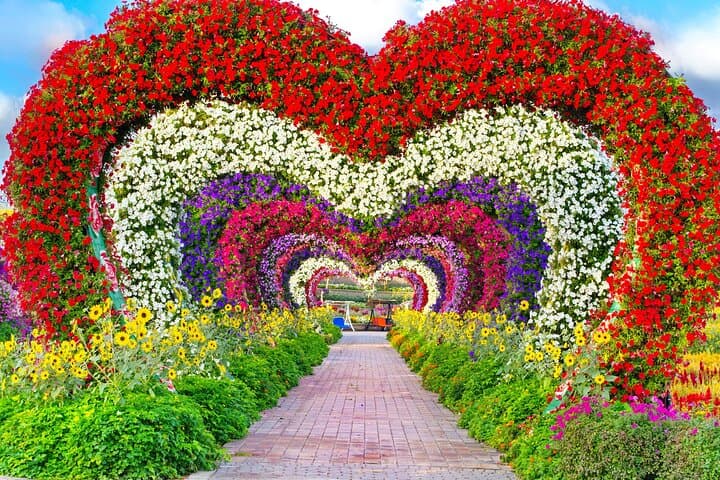
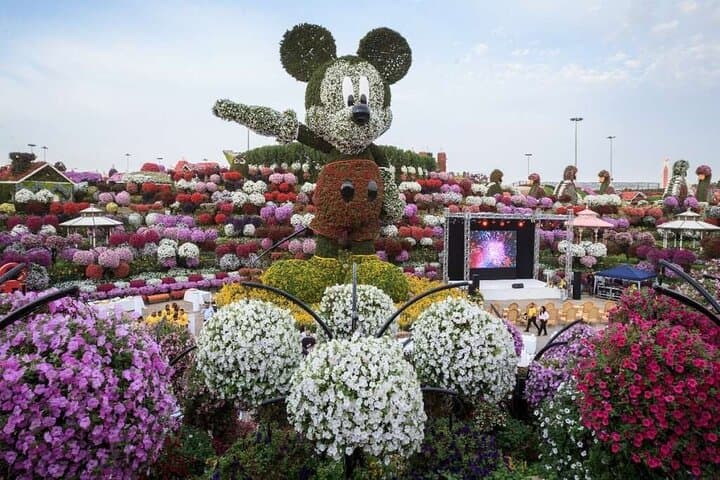
Culturally the garden fits Dubai’s appetite for spectacle: themed installations rotate each season, from character villages to intricate heart-shaped arches, reflecting both global pop culture and local tastes for grand public spaces. Staff enforce strict rules to protect the displays; flowers are the attraction and the responsibility of every visitor.
Practical guidance: plan visits in Dubai’s cool months (November–April) and arrive early or late afternoon to avoid peak sun and crowds. Admission is ticketed; mobile tickets work at the gate. Wear breathable shoes for walking paved paths, carry water and respect signage — no picking, no drones and no outside food. Wheelchair- and stroller-accessible routes exist, but shaded rest areas are finite.
Expect a relaxed, mostly level stroll with plentiful photo opportunities, sensory variety and a clear illustration of how horticulture, engineering and tourism combine to make something vivid in the middle of the desert.
easy.
1–6 hours.
Light walking on paved, mostly level paths—suitable for families, older visitors and those with modest mobility.
The cool season from November to April is ideal—displays are freshest and temperatures are comfortable for walking.
Yes. The garden lists wheelchair- and stroller-accessible paths and facilities, though some photo zones may have steps.
Outside food and drones are not allowed; professional camera use may be restricted—check gate signage or staff guidance.
Most visitors spend 1–3 hours; photography enthusiasts may stay longer—ticketing allows flexible visit durations within opening hours.
Opened in 2013 as part of Dubailand’s tourism development, the Miracle Garden grew into a seasonal spectacle known for large-scale floral sculptures.
Because the garden operates in arid conditions, it uses targeted irrigation and seasonal planting to reduce water demand; visitors are asked to follow strict rules to protect plantings.
ALATWAL TRAVEL operates guided outdoor trips and adventures with an emphasis on safety, stewardship, and memorable experiences.
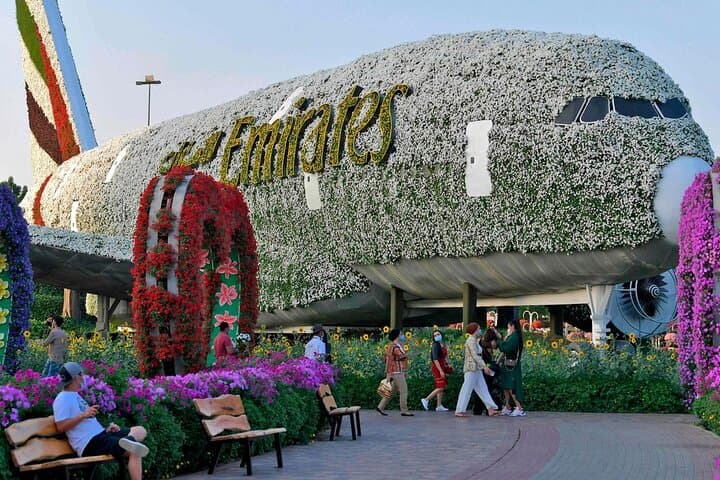
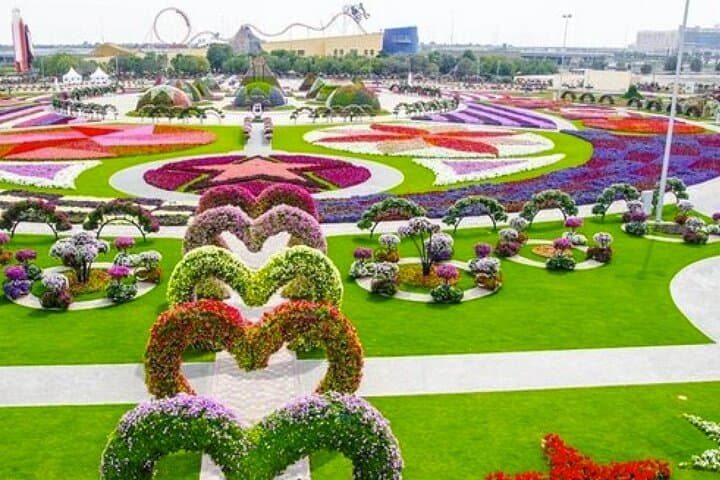
You step through a lattice of shade umbrellas and the air shifts: a concentrated sweetness of cut stems and warmed soil, a ribbon of color that pushes against the surrounding sand. Dubai Miracle Garden unfolds across 72,000 square meters — enormous floral sculptures, arched tunnels of blooms and a giant water wheel, each arrangement intent on catching light and camera shutters.
You step through a lattice of shade umbrellas and the air shifts: a concentrated sweetness of cut stems and warmed soil, a ribbon of color that pushes against the surrounding sand. Dubai Miracle Garden unfolds across 72,000 square meters — enormous floral sculptures, arched tunnels of blooms and a giant water wheel, each arrangement intent on catching light and camera shutters.
Opened in 2013 as part of Dubai’s rapid diversification of tourist attractions, the garden is an engineered oasis set on reclaimed land in Dubailand. Geology here is simple — sandy desert beneath an imported growing medium — and the horticulture depends on intensive irrigation, microclimates and seasonal planting cycles to sustain displays in a hot, arid region.
Culturally the garden fits Dubai’s appetite for spectacle: themed installations rotate each season, from character villages to intricate heart-shaped arches, reflecting both global pop culture and local tastes for grand public spaces. Staff enforce strict rules to protect the displays; flowers are the attraction and the responsibility of every visitor.
Practical guidance: plan visits in Dubai’s cool months (November–April) and arrive early or late afternoon to avoid peak sun and crowds. Admission is ticketed; mobile tickets work at the gate. Wear breathable shoes for walking paved paths, carry water and respect signage — no picking, no drones and no outside food. Wheelchair- and stroller-accessible routes exist, but shaded rest areas are finite.
Expect a relaxed, mostly level stroll with plentiful photo opportunities, sensory variety and a clear illustration of how horticulture, engineering and tourism combine to make something vivid in the middle of the desert.