THE ADVENTURE COLLECTIVE® · Independent discovery and booking for outdoor travel

Spend a focused hour watching orphaned elephant calves feed and play at the David Sheldrick Wildlife Trust near Nairobi National Park. This half-day tour combines close-up wildlife viewing, conservation storytelling, and straightforward logistics for visitors of all fitness levels.
Spend a focused hour watching orphaned elephant calves feed and play at the David Sheldrick Wildlife Trust near Nairobi National Park. This half-day tour combines close-up wildlife viewing, conservation storytelling, and straightforward logistics for visitors of all fitness levels.
You step out of Nairobi traffic onto a sun-baked lane and the city noise fades into the far-off rumble of hooves and trunks. At 11:00 the orphanage gates open and calves appear — clumsy, curious and intent on milk — a scene that draws visitors into close observation rather than touch. The keepers move with practiced calm; the elephants move with bright, probing intelligence that seems to measure every person in the crowd.
Verified experiences and guided adventures in the surrounding area.
Operated by Gracepatt Safaris · Nairobi, Nairobi County
You step out of Nairobi traffic onto a sun-baked lane and the city noise fades into the far-off rumble of hooves and trunks. At 11:00 the orphanage gates open and calves appear — clumsy, curious and intent on milk — a scene that draws visitors into close observation rather than touch. The keepers move with practiced calm; the elephants move with bright, probing intelligence that seems to measure every person in the crowd.
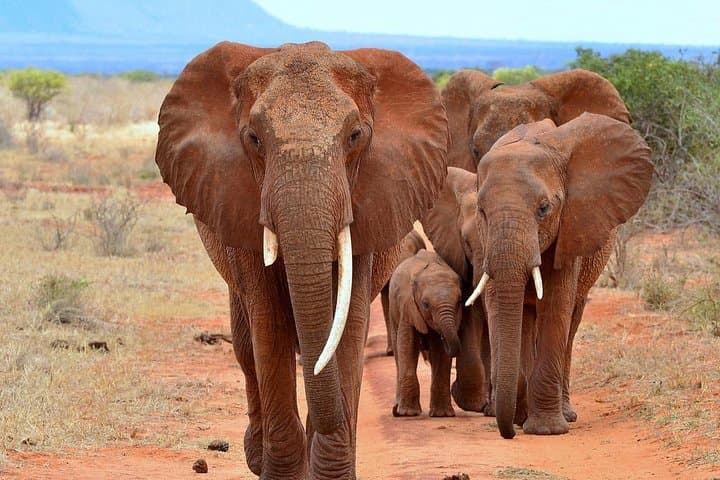
The David Sheldrick Wildlife Trust began as a response to rampant poaching and habitat loss in the 1970s; the orphanage has since pioneered captive rescue-to-release techniques for African elephants and supports community-based conservation around Nairobi National Park. Geologically the area sits on the Athi-Kapiti plains at the park’s edge, where flat grasslands meet kopjes and acacia-lined ridgelines — an environment that shapes how rehabilitated calves learn to walk, forage and recognize predators.
Culturally the orphanage is a touchstone for Kenyan conservation efforts: visitors learn civilian rescue stories, hear about ranger patrols, and can sponsor individual animals to fund long-term care. Practicalities are direct: public viewing is strictly 11:00–12:00, photography is welcome but keep a respectful distance, and a separate Nairobi National Park fee applies if your route goes through the park. Expect light walking on packed dirt, shaded waiting areas, and an emotionally intense 45–60 minute visit.
Bring sun protection, a small bottle of water, and an attitude of quiet observation; your visit supports rehabilitation, release programs, and anti-poaching work that keeps these animals moving back into wild herds.
easy.
4 hours.
Suitable for most travelers; requires brief, mostly flat walking and short standing periods
Public viewing takes place from 11:00–12:00 daily; most half-day tours schedule pickup around 9:30–10:00 to arrive in time.
No — the orphanage enforces a strict no-touch and no-feeding policy to ensure animal welfare and successful rehabilitation.
Yes — if the route crosses Nairobi National Park, a separate KWS/conservancy fee may apply (the tour notes an additional charge for park access).
Yes — children are welcome but must be accompanied by an adult; stroller access is possible but some walking and standing are required.
The trust grew from work by Daphne Sheldrick and colleagues in the late 1970s to rescue, hand-raise and rehabilitate orphaned elephants in Kenya, developing protocols for release back to the wild.
Visits fund the trust’s rehabilitation and anti-poaching programs; follow-site rules to reduce disturbance and support long-term animal welfare.
Gracepatt Safaris operates guided outdoor trips and adventures with an emphasis on safety, stewardship, and memorable experiences.
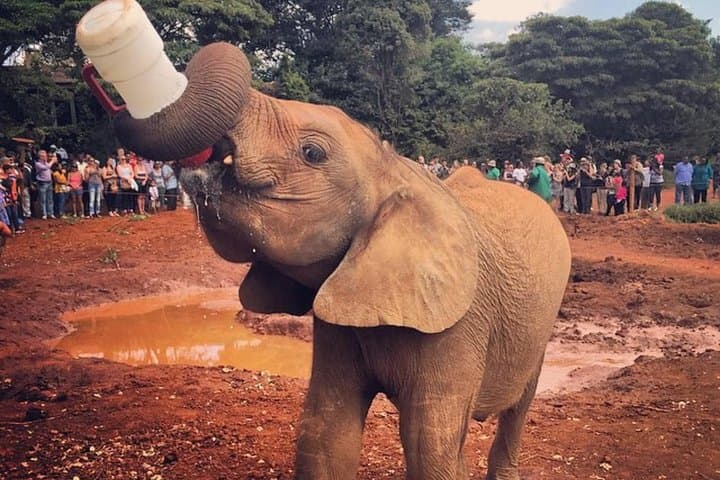
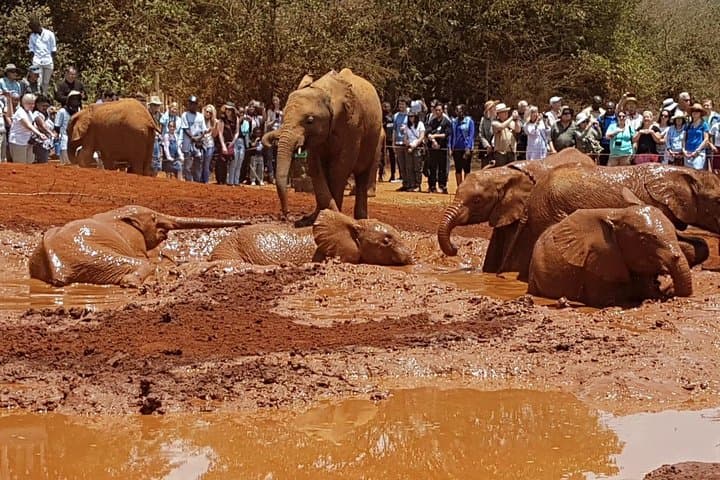
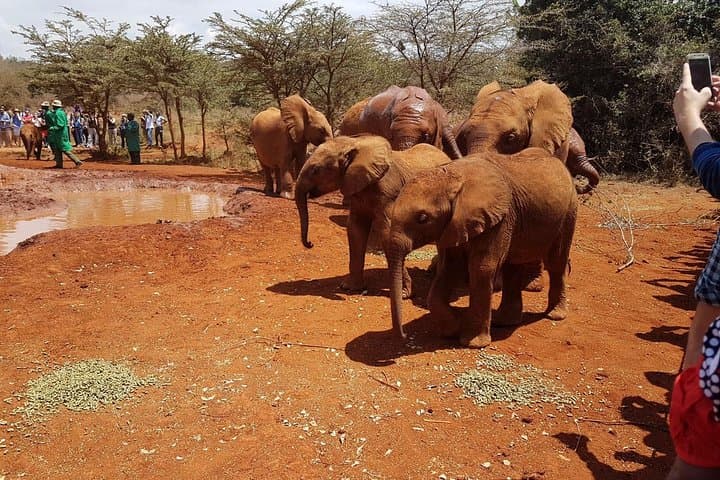
You step out of Nairobi traffic onto a sun-baked lane and the city noise fades into the far-off rumble of hooves and trunks. At 11:00 the orphanage gates open and calves appear — clumsy, curious and intent on milk — a scene that draws visitors into close observation rather than touch. The keepers move with practiced calm; the elephants move with bright, probing intelligence that seems to measure every person in the crowd.
You step out of Nairobi traffic onto a sun-baked lane and the city noise fades into the far-off rumble of hooves and trunks. At 11:00 the orphanage gates open and calves appear — clumsy, curious and intent on milk — a scene that draws visitors into close observation rather than touch. The keepers move with practiced calm; the elephants move with bright, probing intelligence that seems to measure every person in the crowd.
The David Sheldrick Wildlife Trust began as a response to rampant poaching and habitat loss in the 1970s; the orphanage has since pioneered captive rescue-to-release techniques for African elephants and supports community-based conservation around Nairobi National Park. Geologically the area sits on the Athi-Kapiti plains at the park’s edge, where flat grasslands meet kopjes and acacia-lined ridgelines — an environment that shapes how rehabilitated calves learn to walk, forage and recognize predators.
Culturally the orphanage is a touchstone for Kenyan conservation efforts: visitors learn civilian rescue stories, hear about ranger patrols, and can sponsor individual animals to fund long-term care. Practicalities are direct: public viewing is strictly 11:00–12:00, photography is welcome but keep a respectful distance, and a separate Nairobi National Park fee applies if your route goes through the park. Expect light walking on packed dirt, shaded waiting areas, and an emotionally intense 45–60 minute visit.
Bring sun protection, a small bottle of water, and an attitude of quiet observation; your visit supports rehabilitation, release programs, and anti-poaching work that keeps these animals moving back into wild herds.