THE ADVENTURE COLLECTIVE® · Independent discovery and booking for outdoor travel

A morning among bamboo and sleepy cubs—this practical guide explains what to expect at the Chengdu Research Base of Giant Panda Breeding, from best viewing times to accessibility and conservation context. Plan 2–4 hours and prioritize early arrival for the most active moments.
A morning among bamboo and sleepy cubs—this practical guide explains what to expect at the Chengdu Research Base of Giant Panda Breeding, from best viewing times to accessibility and conservation context. Plan 2–4 hours and prioritize early arrival for the most active moments.
Morning mist lifts off the bamboo groves as you step through the gates of the Chengdu Research Base of Giant Panda Breeding. Paths run between enclosures where pandas move with deliberate curiosity—some clumsy, some languid—while red pandas slip among tree branches above. The site blends controlled habitats and park-like trails so visitors feel close to animals without intruding on the research work.
Verified experiences and guided adventures in the surrounding area.
Operated by China Pleasure Tour Co,. Ltd. · Chengdu, Sichuan
Morning mist lifts off the bamboo groves as you step through the gates of the Chengdu Research Base of Giant Panda Breeding. Paths run between enclosures where pandas move with deliberate curiosity—some clumsy, some languid—while red pandas slip among tree branches above. The site blends controlled habitats and park-like trails so visitors feel close to animals without intruding on the research work.
Founded from Chengdu Zoo's breeding efforts and formalized as a research base in the 1980s and 1990s, the facility covers roughly 1,000 acres and functions as a hub for conservation, veterinary care, and public education. Geologically the site sits on the Chengdu plain; flat, well-drained paths make for easy walking. Culturally, the base is a modern symbol of China's increasing role in endangered species protection, and local families often come early to watch cubs at feeding times.
For visitors, plan 2–4 hours to move at a relaxed pace, watch morning feedings, and visit the small museum exhibits. Paths are mostly paved with gentle grades and accessible routes; bring a camera and patience—pandas can nap for long stretches. Aim for morning light when animals are most active and crowds thinner. Respect viewing distances, avoid sudden movements, and follow signage—staff prioritize animal welfare over photo opportunities.
Practical tips: arrive early, buy tickets in advance, carry water, and allow time for transport from central Chengdu. The base is an informative, low-effort wildlife experience that pairs well with neighborhood tea houses and nearby parks after your visit.
easy.
2–4 hours.
Suitable for all fitness levels; expect light walking on paved and compacted paths
Yes—pre-booking is recommended especially on weekends and holidays to secure your preferred entry time and avoid lines.
Most visitors spend 2–4 hours allowing time for exhibits, multiple enclosures, and a relaxed walk through the grounds.
Yes—paths and primary viewing areas are wheelchair and stroller accessible, with staff support available if needed.
No—feeding and touching are prohibited to protect the animals and support research protocols; staff supervise any animal interactions during special programs.
The facility evolved from Chengdu Zoo's captive-breeding work and was formalized as a research and conservation base in the late 20th century to centralize panda protection efforts.
The base combines captive breeding, veterinary research, and public education to reduce extinction risk and raise awareness; visitors should follow rules that minimize disturbance to animals.
China Pleasure Tour Co,. Ltd. operates guided outdoor trips and adventures with an emphasis on safety, stewardship, and memorable experiences.

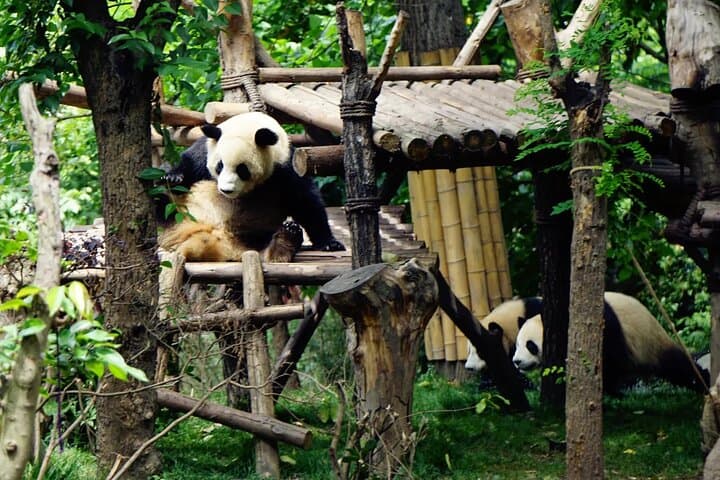

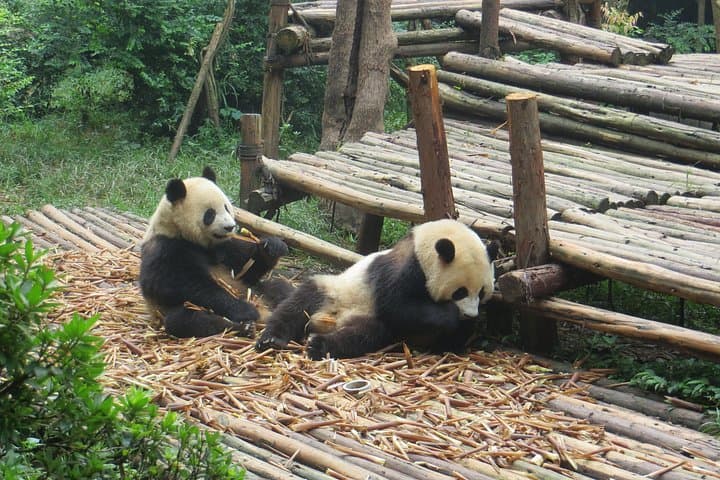
Morning mist lifts off the bamboo groves as you step through the gates of the Chengdu Research Base of Giant Panda Breeding. Paths run between enclosures where pandas move with deliberate curiosity—some clumsy, some languid—while red pandas slip among tree branches above. The site blends controlled habitats and park-like trails so visitors feel close to animals without intruding on the research work.
Morning mist lifts off the bamboo groves as you step through the gates of the Chengdu Research Base of Giant Panda Breeding. Paths run between enclosures where pandas move with deliberate curiosity—some clumsy, some languid—while red pandas slip among tree branches above. The site blends controlled habitats and park-like trails so visitors feel close to animals without intruding on the research work.
Founded from Chengdu Zoo's breeding efforts and formalized as a research base in the 1980s and 1990s, the facility covers roughly 1,000 acres and functions as a hub for conservation, veterinary care, and public education. Geologically the site sits on the Chengdu plain; flat, well-drained paths make for easy walking. Culturally, the base is a modern symbol of China's increasing role in endangered species protection, and local families often come early to watch cubs at feeding times.
For visitors, plan 2–4 hours to move at a relaxed pace, watch morning feedings, and visit the small museum exhibits. Paths are mostly paved with gentle grades and accessible routes; bring a camera and patience—pandas can nap for long stretches. Aim for morning light when animals are most active and crowds thinner. Respect viewing distances, avoid sudden movements, and follow signage—staff prioritize animal welfare over photo opportunities.
Practical tips: arrive early, buy tickets in advance, carry water, and allow time for transport from central Chengdu. The base is an informative, low-effort wildlife experience that pairs well with neighborhood tea houses and nearby parks after your visit.