
Visita a los Saltos del Moconá: Practical Guide to Argentina's Long River Falls
Witness a rare longitudinal waterfall where the Uruguay River runs through a basalt fault. This practical guide explains what to expect at Saltos del Moconá, how geology shapes the view and how to plan the long day trip from Misiones.
An Adventure In El Soberbio.
Witness a rare longitudinal waterfall where the Uruguay River runs through a basalt fault. This practical guide explains what to expect at Saltos del Moconá, how geology shapes the view and how to plan the long day trip from Misiones.
Read the full experience
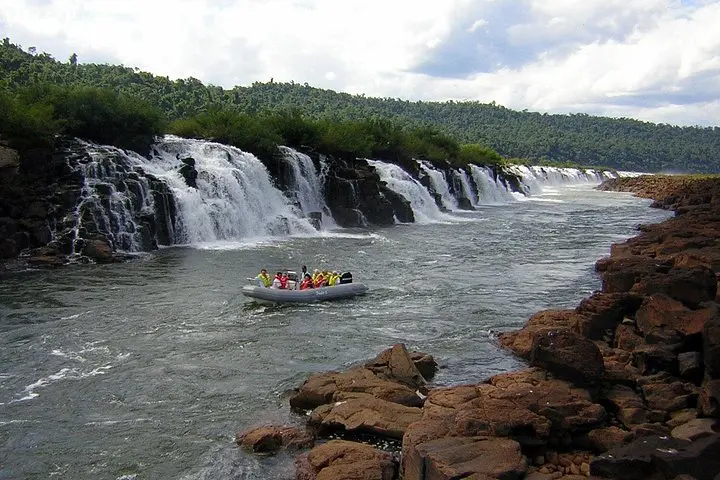
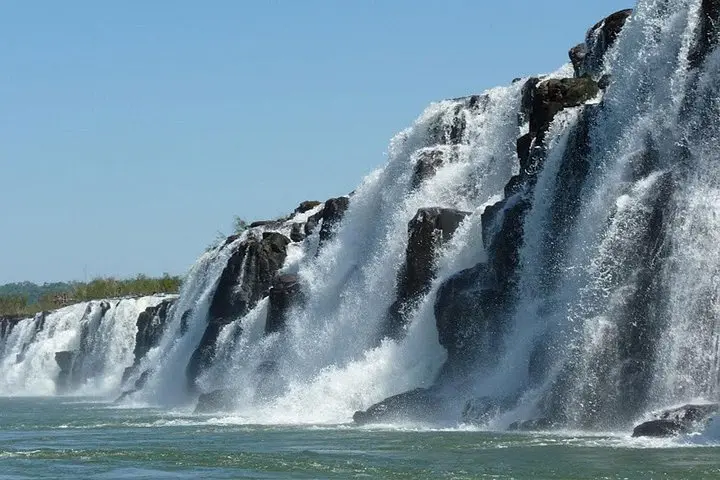
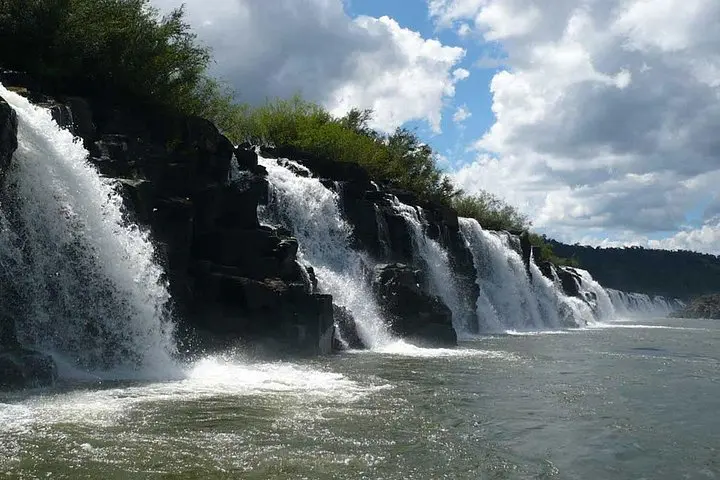
The air tastes of river and wet basalt as the Uruguay River pushes itself through a three-kilometre fissure, dropping in a line of cataracts that dare you to look away. Approaching the Saltos del Moconá from the dusty road, the landscape opens to a hard, black basalt ledge—an ancient fracture in the Brasilia massif where multiple rivers meet and the current finds its dramatic voice.
The air tastes of river and wet basalt as the Uruguay River pushes itself through a three-kilometre fissure, dropping in a line of cataracts that dare you to look away. Approaching the Saltos del Moconá from the dusty road, the landscape opens to a hard, black basalt ledge—an ancient fracture in the Brasilia massif where multiple rivers meet and the current finds its dramatic voice.
Geology explains the show: a mantle of basalt cracked and sank, creating a longitudinal fall rather than the classic perpendicular curtain. Local Guaraní communities have long known the place as a landmark on the riverway; today the provincial park protects the falls and the riparian forest that threads the cliffs.
Expect viewpoints, short riverside walks and a chance to see individual cataracts reach 15–20 meters when water is low. The spectacle is seasonal: high water can wash parts of the line away, low water exposes the full sequence of drops and basalt shelves. Wildlife ranges from territorial toucans and kingfishers to capybara grazing the banks; keep binoculars handy.
Practicalities: the drive from regional hubs takes hours (roughly 4–5 hours from Puerto Iguazú or Posadas), so plan a full-day outing with sun protection, insect repellent and sturdy shoes for slippery rock and muddy trails. Check river levels and book transport in advance; some viewpoints require short, uneven walks. Bring water, a camera with zoom, and patience—the falls reveal themselves most clearly when the river loosens its hold and the basalt line reappears.
Frequently asked questions
The drive is roughly 320–340 km and takes about 4–5 hours each way depending on road conditions, making this a full-day excursion.
No — visibility depends on river level; low water exposes the full sequence of drops, while high water can submerge parts of the line.
Yes—viewpoints are reachable without technical hiking, but travelers should be prepared for vehicle time and short uneven walks at the site.
Guides aren’t strictly required but local guides or organized transfers simplify logistics, provide local context and manage navigation on secondary roads.
About This Experience
Gray Line Argentina operates guided outdoor trips and adventures with an emphasis on safety, stewardship, and memorable experiences.
Adventure tips
Recommended gear
- Sturdy trail shoes: Provide traction on wet basalt and muddy paths at viewpoints.
- Insect repellent: Protects against mosquitoes in the riparian forest, especially at dawn and dusk.
- Sun protection (hat, sunscreen): There is little shade at some viewpoints during midday; protect skin and eyes.
- Water bottle (2L): Long drives and humid conditions make staying hydrated essential for a full-day visit.
Photos of the experience
Related adventures & guides
Read the full experience
The air tastes of river and wet basalt as the Uruguay River pushes itself through a three-kilometre fissure, dropping in a line of cataracts that dare you to look away. Approaching the Saltos del Moconá from the dusty road, the landscape opens to a hard, black basalt ledge—an ancient fracture in the Brasilia massif where multiple rivers meet and the current finds its dramatic voice.
The air tastes of river and wet basalt as the Uruguay River pushes itself through a three-kilometre fissure, dropping in a line of cataracts that dare you to look away. Approaching the Saltos del Moconá from the dusty road, the landscape opens to a hard, black basalt ledge—an ancient fracture in the Brasilia massif where multiple rivers meet and the current finds its dramatic voice.
Geology explains the show: a mantle of basalt cracked and sank, creating a longitudinal fall rather than the classic perpendicular curtain. Local Guaraní communities have long known the place as a landmark on the riverway; today the provincial park protects the falls and the riparian forest that threads the cliffs.
Expect viewpoints, short riverside walks and a chance to see individual cataracts reach 15–20 meters when water is low. The spectacle is seasonal: high water can wash parts of the line away, low water exposes the full sequence of drops and basalt shelves. Wildlife ranges from territorial toucans and kingfishers to capybara grazing the banks; keep binoculars handy.
Practicalities: the drive from regional hubs takes hours (roughly 4–5 hours from Puerto Iguazú or Posadas), so plan a full-day outing with sun protection, insect repellent and sturdy shoes for slippery rock and muddy trails. Check river levels and book transport in advance; some viewpoints require short, uneven walks. Bring water, a camera with zoom, and patience—the falls reveal themselves most clearly when the river loosens its hold and the basalt line reappears.
Make a day of it nearby.
Verified experiences and guided adventures in the surrounding area.