THE ADVENTURE COLLECTIVE® · Independent discovery and booking for outdoor travel

Explore one of the world’s largest natural history museums with a practical plan: which halls to prioritize, transit tips, and how to add a planetarium show or special exhibit. This guide helps you turn curiosity into a smooth, unforgettable museum day.
Explore one of the world’s largest natural history museums with a practical plan: which halls to prioritize, transit tips, and how to add a planetarium show or special exhibit. This guide helps you turn curiosity into a smooth, unforgettable museum day.
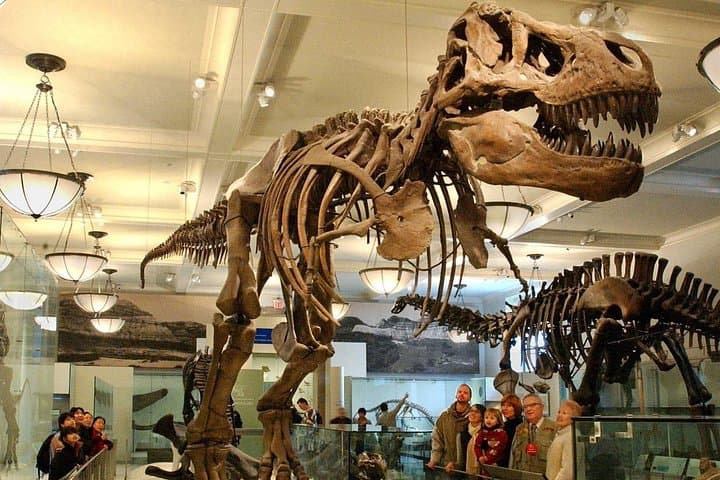
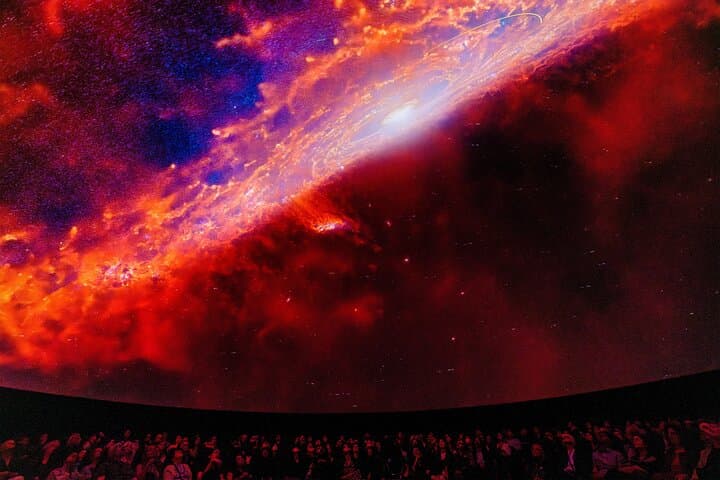
Walk through the museum’s stone façade and the city noise falls away—mammoth skeletons and steely dioramas claim your attention, while the Rose Center’s glass sphere hints at distant galaxies.
Verified experiences and guided adventures in the surrounding area.
Operated by American Museum of Natural History · New York, New York
Walk through the museum’s stone façade and the city noise falls away—mammoth skeletons and steely dioramas claim your attention, while the Rose Center’s glass sphere hints at distant galaxies.
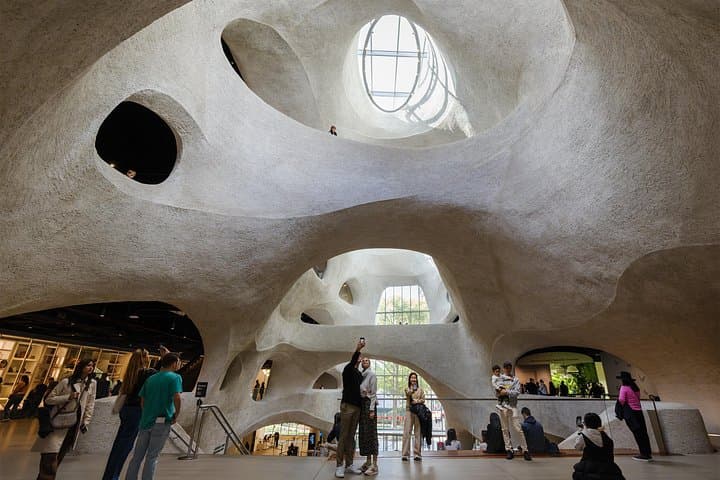
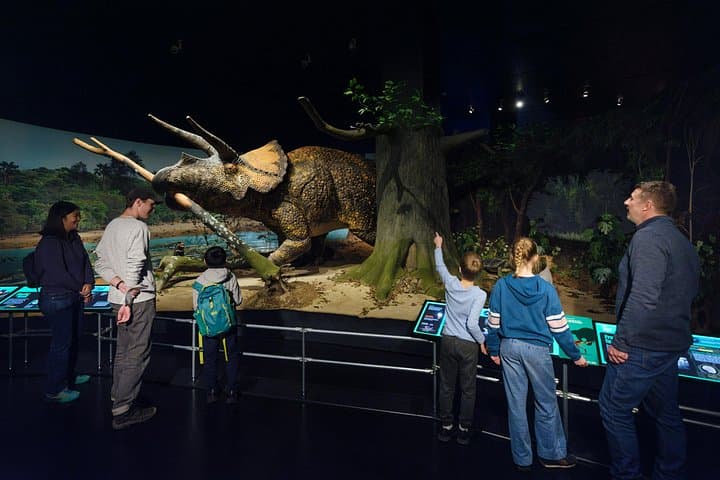
Since its founding in 1869, the American Museum of Natural History has grown into a working research institution as much as a public gallery. Its halls trace deep time: Cretaceous dinosaurs with teeth bared, meteorites that arrived from beyond Earth, and geological specimens that map continental change. The Rose Center for Earth and Space frames cosmology in a modern sphere; the Richard Gilder Center for Science and Innovation stitches new interactive learning into the older Beaux-Arts structure.
Culture at AMNH blends education and spectacle—children press faces to display cases, students sketch fossils, and researchers continue active fieldwork behind the scenes. The museum sits on Manhattan’s Upper West Side, a short stroll from Central Park and subways that make it easy to combine with a city day.
Plan for 3–4 hours for a solid visit: prioritize permanent halls, then add a ticketed planetarium show or special exhibition if time allows. Buy timed-entry or arrive early to avoid midday crowds; New York residents have special pricing options. Expect a security check, accessible routes throughout, coat check and Wi‑Fi onsite. Wear comfortable shoes, carry a refillable bottle, and factor in short breaks—gallery benches and cafés give chances to regroup.
This is a place where fossils dare you to imagine the ancient world and where the universe literally spins overhead; practical planning turns that wonder into a smooth, memorable day.
easy.
3–4 hours.
Suitable for all fitness levels; expect a lot of walking and standing.
Yes—Hayden Planetarium shows and many temporary exhibitions require separate timed tickets in addition to general admission.
Yes—the museum provides accessible routes, elevators, and services; check the museum website for maps and specific accessibility services.
Plan 3–4 hours for core permanent halls; add time for special exhibitions or the planetarium if you want a fuller experience.
There are cafés and concessions within the museum; you can also leave and return, though allow extra time for security and re-entry.
Founded in 1869, AMNH has combined public exhibitions with ongoing scientific research, expanding its collections and facilities over more than a century.
The museum emphasizes research-driven conservation and public education about biodiversity and climate; visitors are encouraged to follow low-impact practices while on site.
American Museum of Natural History operates guided outdoor trips and adventures with an emphasis on safety, stewardship, and memorable experiences.
Walk through the museum’s stone façade and the city noise falls away—mammoth skeletons and steely dioramas claim your attention, while the Rose Center’s glass sphere hints at distant galaxies.
Walk through the museum’s stone façade and the city noise falls away—mammoth skeletons and steely dioramas claim your attention, while the Rose Center’s glass sphere hints at distant galaxies.
Since its founding in 1869, the American Museum of Natural History has grown into a working research institution as much as a public gallery. Its halls trace deep time: Cretaceous dinosaurs with teeth bared, meteorites that arrived from beyond Earth, and geological specimens that map continental change. The Rose Center for Earth and Space frames cosmology in a modern sphere; the Richard Gilder Center for Science and Innovation stitches new interactive learning into the older Beaux-Arts structure.
Culture at AMNH blends education and spectacle—children press faces to display cases, students sketch fossils, and researchers continue active fieldwork behind the scenes. The museum sits on Manhattan’s Upper West Side, a short stroll from Central Park and subways that make it easy to combine with a city day.
Plan for 3–4 hours for a solid visit: prioritize permanent halls, then add a ticketed planetarium show or special exhibition if time allows. Buy timed-entry or arrive early to avoid midday crowds; New York residents have special pricing options. Expect a security check, accessible routes throughout, coat check and Wi‑Fi onsite. Wear comfortable shoes, carry a refillable bottle, and factor in short breaks—gallery benches and cafés give chances to regroup.
This is a place where fossils dare you to imagine the ancient world and where the universe literally spins overhead; practical planning turns that wonder into a smooth, memorable day.