THE ADVENTURE COLLECTIVE® · Independent discovery and booking for outdoor travel

Discover Te Papa on Wellington’s waterfront: a national museum where Māori and Pacific collections meet natural history and contemporary art. Read practical tips for tickets, accessibility, and planning your visit.
Discover Te Papa on Wellington’s waterfront: a national museum where Māori and Pacific collections meet natural history and contemporary art. Read practical tips for tickets, accessibility, and planning your visit.
Stand on Wellington’s waterfront and the museum feels like a challenge thrown at the wind—glass and timber facing Cook Strait, gulls circling as the city pulls you toward the doors.
Verified experiences and guided adventures in the surrounding area.
Operated by Museum of New Zealand Te Papa Tongarewa · Wellington, Wellington
Stand on Wellington’s waterfront and the museum feels like a challenge thrown at the wind—glass and timber facing Cook Strait, gulls circling as the city pulls you toward the doors.
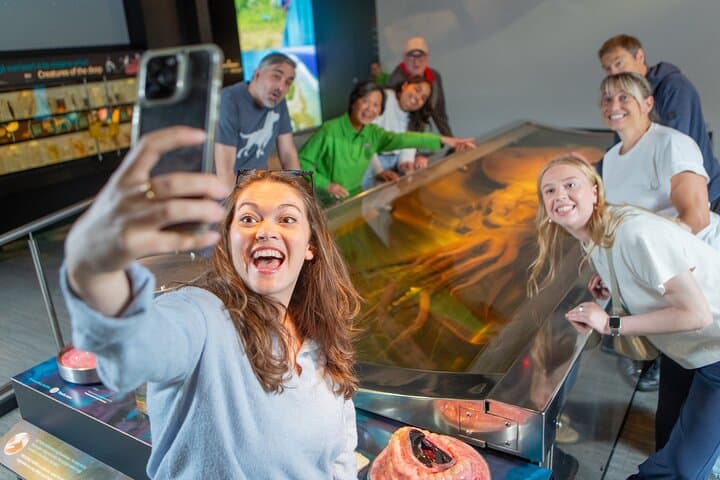
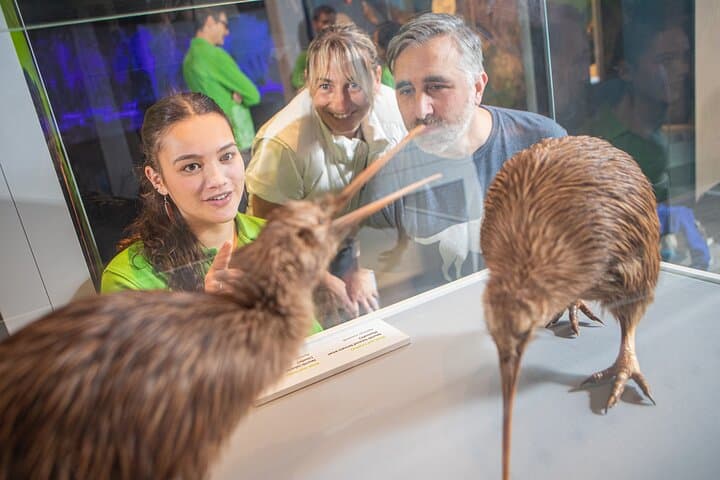
Inside Te Papa Tongarewa you move from the roar of the harbor to galleries that lay New Zealand’s stories out with clarity: Māori and Pacific taonga, national art, fossils, and interactive natural history exhibits that make geology and ecology tangible. Opened in 1998 as the national museum, Te Papa was designed to hold and interpret the nation’s collections while foregrounding Māori perspectives in shared spaces and storytelling.
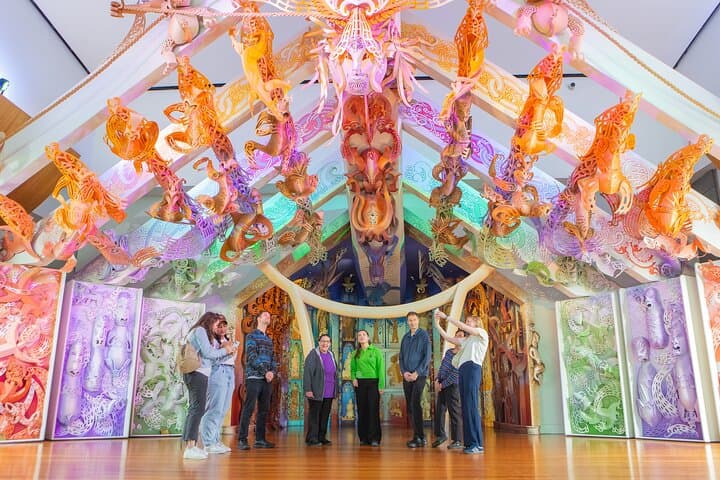
The building sits on an active seismic landscape, and the exhibitions reflect that geology—earthquake displays and life-sized reconstructions remind visitors that Aotearoa’s terrain is still writing its own history. Culturally, the museum acts as both archive and meeting place: expect podiums of carved taonga, contemporary Pacific art, and rotating displays that highlight local iwi and community narratives.
Practical side: international visitors aged 16+ require an entry ticket (under-16s free), and tickets are valid for 48 hours so you can return. The museum is open 10:00–18:00; show your ticket on Level 2 to a host and bypass the queue. Most visitors find 2–4 hours enough for a solid overview, longer if you linger over the national art or special exhibitions. Te Papa is wheelchair-accessible, stroller-friendly, and located on frequent public-transport routes—an easy cultural day that pairs well with a windy walk along the waterfront.
easy.
2–4 hours.
Suitable for all fitness levels; mostly indoor walking on flat surfaces.
International visitors aged 16 and over require a paid entry ticket; New Zealand citizens and residents do not need to purchase general admission.
Tickets can be used across two consecutive days (48 hours), so you can split your visit if you prefer.
Yes—Te Papa is wheelchair and stroller accessible with lift access, accessible toilets, and level surfaces throughout major galleries.
No—entry covers general admission only; paid exhibitions, Story Place programs and some events require separate tickets.
Te Papa opened in 1998 as New Zealand’s national museum, built to house the country’s collections and present Māori and Pacific perspectives alongside national history.
Te Papa maintains conservation labs and collection care practices to protect taonga and natural specimens, and it encourages sustainable visits via public transit and reusable containers.
Museum of New Zealand Te Papa Tongarewa operates guided outdoor trips and adventures with an emphasis on safety, stewardship, and memorable experiences.
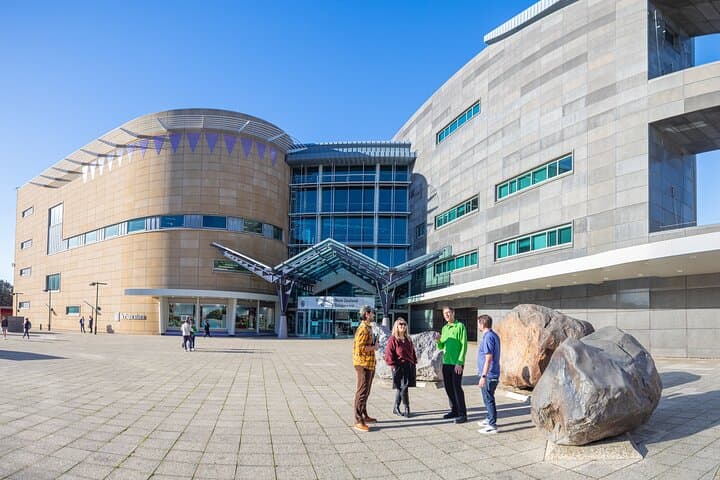
Stand on Wellington’s waterfront and the museum feels like a challenge thrown at the wind—glass and timber facing Cook Strait, gulls circling as the city pulls you toward the doors.
Stand on Wellington’s waterfront and the museum feels like a challenge thrown at the wind—glass and timber facing Cook Strait, gulls circling as the city pulls you toward the doors.
Inside Te Papa Tongarewa you move from the roar of the harbor to galleries that lay New Zealand’s stories out with clarity: Māori and Pacific taonga, national art, fossils, and interactive natural history exhibits that make geology and ecology tangible. Opened in 1998 as the national museum, Te Papa was designed to hold and interpret the nation’s collections while foregrounding Māori perspectives in shared spaces and storytelling.
The building sits on an active seismic landscape, and the exhibitions reflect that geology—earthquake displays and life-sized reconstructions remind visitors that Aotearoa’s terrain is still writing its own history. Culturally, the museum acts as both archive and meeting place: expect podiums of carved taonga, contemporary Pacific art, and rotating displays that highlight local iwi and community narratives.
Practical side: international visitors aged 16+ require an entry ticket (under-16s free), and tickets are valid for 48 hours so you can return. The museum is open 10:00–18:00; show your ticket on Level 2 to a host and bypass the queue. Most visitors find 2–4 hours enough for a solid overview, longer if you linger over the national art or special exhibitions. Te Papa is wheelchair-accessible, stroller-friendly, and located on frequent public-transport routes—an easy cultural day that pairs well with a windy walk along the waterfront.