THE ADVENTURE COLLECTIVE® · Independent discovery and booking for outdoor travel

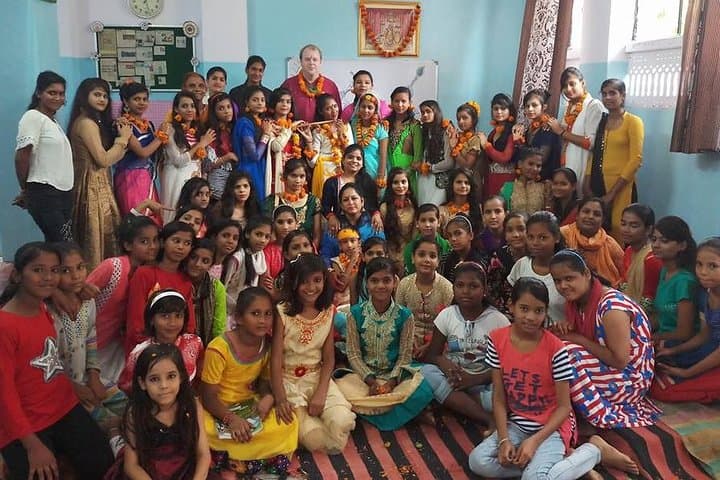
Spend a mindful morning in Amer meeting women artisans, touring workshops, and buying eco-friendly crafts produced by a Jaipur NGO. This private visit links local history to sustainable livelihoods near Amber Fort.
Spend a mindful morning in Amer meeting women artisans, touring workshops, and buying eco-friendly crafts produced by a Jaipur NGO. This private visit links local history to sustainable livelihoods near Amber Fort.
The lane narrows, dust and sandalwood smoke rising as a small courtyard opens into a workshop where women sort vibrant fabrics and mold clay into shapes that sell beyond the city. This visit places travelers at the edge of Amer — where Amber Fort’s sandstone walls watch over community-run craft spaces and livelihood projects.
Verified experiences and guided adventures in the surrounding area.
Operated by Bharti Singh Chauhan · Jaipur, Rajasthan
The lane narrows, dust and sandalwood smoke rising as a small courtyard opens into a workshop where women sort vibrant fabrics and mold clay into shapes that sell beyond the city. This visit places travelers at the edge of Amer — where Amber Fort’s sandstone walls watch over community-run craft spaces and livelihood projects.
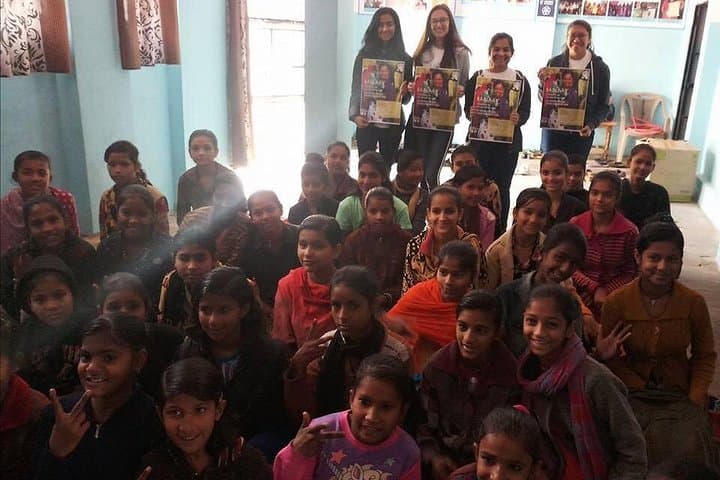
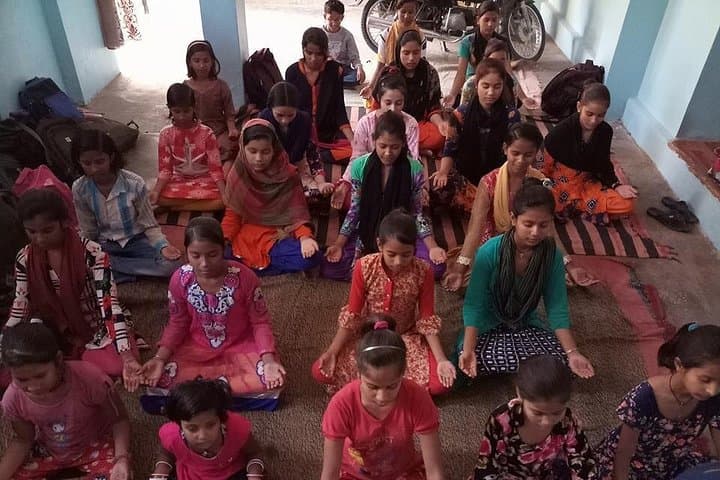
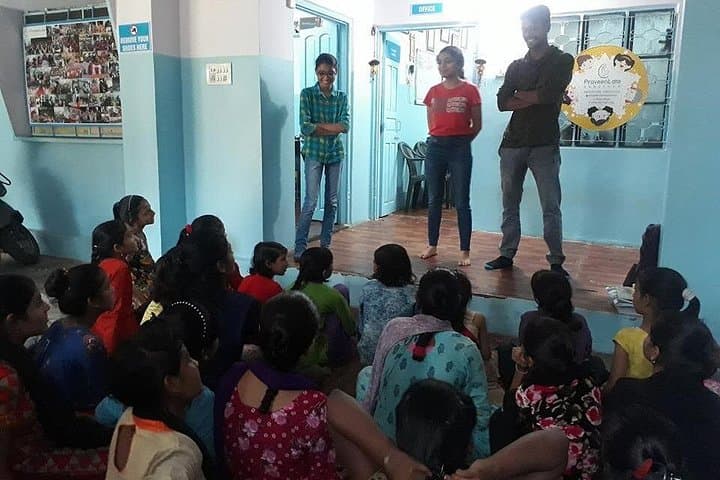
Amer and Jaipur sit on ancient alluvial plains carved from Aravalli foothills; the fort’s red and pale sandstone tell of Rajput rulers and 18th-century urban shifts when Jaipur eclipsed Amer as the regional center. The NGO works within that local history: running child-welfare programs, skill training, and eco-friendly handicraft production that link heritage techniques to steady income.
Expect 1–5 hours of easy, ground-level engagement: meeting beneficiaries, touring small workshops, and buying handcrafted textiles, pottery, or recycled-paper goods. Guides often point out nearby sites—Panna Meena Kund stepwell and Meera Mandir—both within a short walk and useful for context between visits.
Practical notes: dress modestly and wear closed-toe shoes for dusty paths and workshop floors. Bring small-denomination cash—many artisans prefer it—and ask before photographing people. Morning or late-afternoon visits avoid Jaipur’s intense midday heat and make conversations easier.
This isn’t a typical sightseeing stop; it’s a chance to see how social programs convert skills into income, how sustainable materials are used, and how tourism dollars directly support local women. Leave time to browse handcrafted goods thoughtfully: purchases are both souvenirs and direct contributions to community resilience.
easy.
1–5 hours.
Minimal walking and standing; suitable for most fitness levels
Visits are flexible—bookings list 1–5 hours; most visitors spend 1–2 hours touring workshops and speaking with beneficiaries.
Accessibility varies by workshop; some courtyards and ground-floor spaces are accessible but narrow lanes and steps near historic sites may limit access—ask the operator in advance.
Yes—purchases are encouraged and support livelihoods; prices are often negotiable but approach bargaining respectfully and consider quality and fair pay.
Yes—this visit is offered as a private tour and benefits from advance booking so hosts can arrange beneficiary interactions and translators if needed.
Amer (Amber) served as the original Rajput capital before Jaipur’s planned grid was founded in the 18th century; Amber Fort and nearby temples reflect centuries of regional craft and court patronage.
The NGO emphasizes sustainable materials and upcycled packaging; buying directly supports circular livelihoods and reduces pressure to migrate for work.
Bharti Singh Chauhan operates guided outdoor trips and adventures with an emphasis on safety, stewardship, and memorable experiences.
The lane narrows, dust and sandalwood smoke rising as a small courtyard opens into a workshop where women sort vibrant fabrics and mold clay into shapes that sell beyond the city. This visit places travelers at the edge of Amer — where Amber Fort’s sandstone walls watch over community-run craft spaces and livelihood projects.
The lane narrows, dust and sandalwood smoke rising as a small courtyard opens into a workshop where women sort vibrant fabrics and mold clay into shapes that sell beyond the city. This visit places travelers at the edge of Amer — where Amber Fort’s sandstone walls watch over community-run craft spaces and livelihood projects.
Amer and Jaipur sit on ancient alluvial plains carved from Aravalli foothills; the fort’s red and pale sandstone tell of Rajput rulers and 18th-century urban shifts when Jaipur eclipsed Amer as the regional center. The NGO works within that local history: running child-welfare programs, skill training, and eco-friendly handicraft production that link heritage techniques to steady income.
Expect 1–5 hours of easy, ground-level engagement: meeting beneficiaries, touring small workshops, and buying handcrafted textiles, pottery, or recycled-paper goods. Guides often point out nearby sites—Panna Meena Kund stepwell and Meera Mandir—both within a short walk and useful for context between visits.
Practical notes: dress modestly and wear closed-toe shoes for dusty paths and workshop floors. Bring small-denomination cash—many artisans prefer it—and ask before photographing people. Morning or late-afternoon visits avoid Jaipur’s intense midday heat and make conversations easier.
This isn’t a typical sightseeing stop; it’s a chance to see how social programs convert skills into income, how sustainable materials are used, and how tourism dollars directly support local women. Leave time to browse handcrafted goods thoughtfully: purchases are both souvenirs and direct contributions to community resilience.