THE ADVENTURE COLLECTIVE® · Independent discovery and booking for outdoor travel

Explore Kyoto’s western Lushan (Arashiyama) corridor on foot and tram: bamboo groves, Tenryu-ji garden, and the iconic Togetsukyo Bridge. This accessible 6‑hour route pairs tranquil temple grounds with riverside vistas and village streets.
Explore Kyoto’s western Lushan (Arashiyama) corridor on foot and tram: bamboo groves, Tenryu-ji garden, and the iconic Togetsukyo Bridge. This accessible 6‑hour route pairs tranquil temple grounds with riverside vistas and village streets.
You step off the tram and the city noise falls away; the air carries woodsmoke and river mist as a pale bridge arcs across a slow ribbon of water. Footpaths thread through a bamboo stand whose culms click faintly like a metronome, and stone lanterns guide your steps toward a quiet temple garden where moss takes its time.
Verified experiences and guided adventures in the surrounding area.
Operated by Fulfilling Inc. · Kyoto, Kyoto Prefecture
You step off the tram and the city noise falls away; the air carries woodsmoke and river mist as a pale bridge arcs across a slow ribbon of water. Footpaths thread through a bamboo stand whose culms click faintly like a metronome, and stone lanterns guide your steps toward a quiet temple garden where moss takes its time.
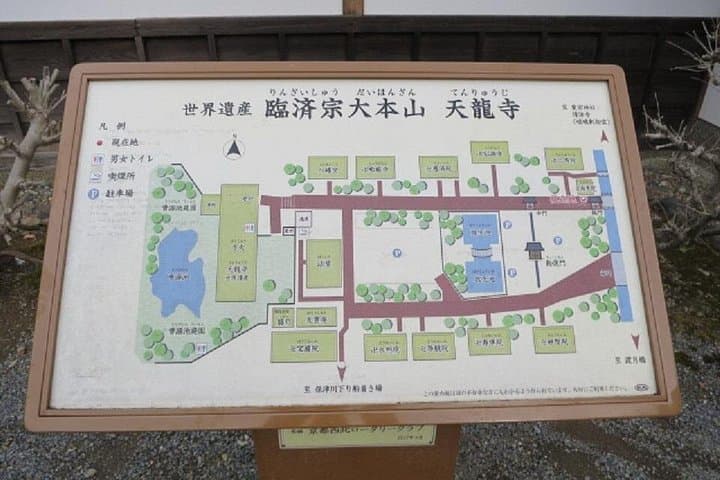
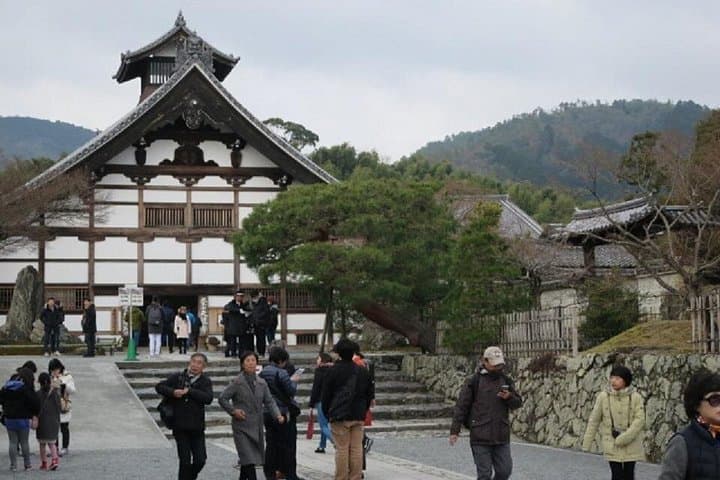
This route follows the western edge of Kyoto known internationally as Arashiyama — here called the Lushan area in some guides. Tenryu-ji, a major Zen temple rebuilt after wars in the 14th century, anchors the neighborhood; Togetsukyo (the Moon Crossing Bridge) and the Sagano bamboo grove reflect the area's riverine geology and centuries of garden design. Villas and gardens built by industrialists and artists in the Meiji and Taisho eras—like Okochi Sanso—give the slopes a cultivated, historic feel.
Culturally, the area mixes Zen practice, seasonal festivals, and riverside boat tradition; geology is simple — river terraces cut into volcanic and alluvial deposits that yield the steep, forested ridges to the west.
Practical guidance: plan for 4–6 hours to walk, tram between points, and visit temples; buy timed-entry tickets for Tenryu-ji to avoid queues. Wear grippy shoes for damp stone paths, carry a compact rain layer and cash for small shrine donations and tea houses. Morning light or late afternoon keeps crowds thinner and the bamboo quieter. Respect marked paths in the grove and keep voices low around temple gardens to preserve the site and fellow visitors.
easy.
4–6 hours.
Suitable for most fitness levels; expect several short flights of steps and uneven surfaces.
Key areas like the main promenade and some tram stops are wheelchair accessible, but many temple gardens and traditional villas have steps—check specific site access ahead.
Some temple admissions are included on certain itineraries, but verify with the supplier; small gardens and villas sometimes require separate tickets.
Early morning or late afternoon is quieter and offers softer light for photos; mid-day sees the largest crowds.
Yes — local trams and buses link Arashiyama points, making it easy to combine walking with short tram hops if you prefer less continuous walking.
Tenryu-ji was established in the 14th century as a leading Rinzai Zen temple; the area later became fashionable with artists and industrialists during the Meiji–Taisho periods.
High foot traffic affects the bamboo grove and temple gardens; stick to paths, minimize noise, and avoid touching bamboo to protect shoots and root systems.
Fulfilling Inc. operates guided outdoor trips and adventures with an emphasis on safety, stewardship, and memorable experiences.
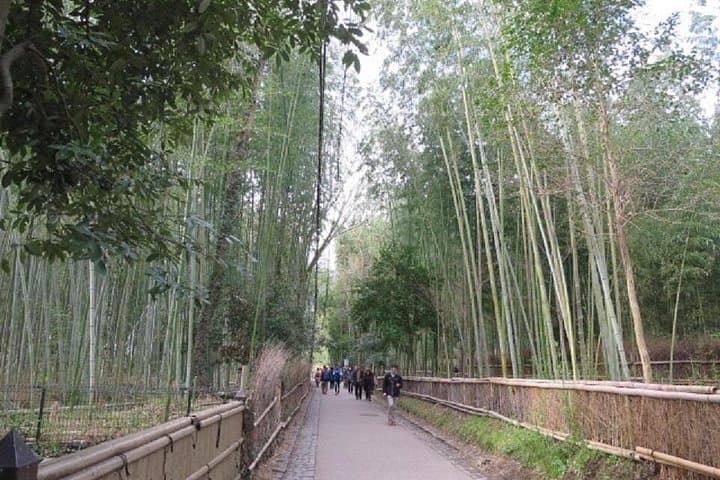
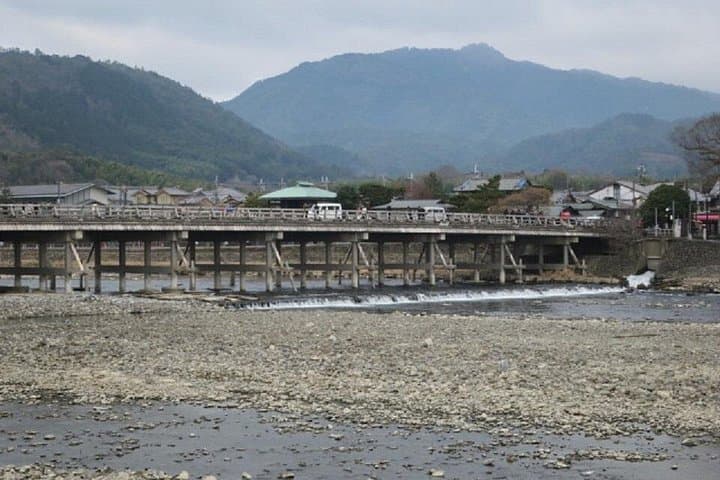
You step off the tram and the city noise falls away; the air carries woodsmoke and river mist as a pale bridge arcs across a slow ribbon of water. Footpaths thread through a bamboo stand whose culms click faintly like a metronome, and stone lanterns guide your steps toward a quiet temple garden where moss takes its time.
You step off the tram and the city noise falls away; the air carries woodsmoke and river mist as a pale bridge arcs across a slow ribbon of water. Footpaths thread through a bamboo stand whose culms click faintly like a metronome, and stone lanterns guide your steps toward a quiet temple garden where moss takes its time.
This route follows the western edge of Kyoto known internationally as Arashiyama — here called the Lushan area in some guides. Tenryu-ji, a major Zen temple rebuilt after wars in the 14th century, anchors the neighborhood; Togetsukyo (the Moon Crossing Bridge) and the Sagano bamboo grove reflect the area's riverine geology and centuries of garden design. Villas and gardens built by industrialists and artists in the Meiji and Taisho eras—like Okochi Sanso—give the slopes a cultivated, historic feel.
Culturally, the area mixes Zen practice, seasonal festivals, and riverside boat tradition; geology is simple — river terraces cut into volcanic and alluvial deposits that yield the steep, forested ridges to the west.
Practical guidance: plan for 4–6 hours to walk, tram between points, and visit temples; buy timed-entry tickets for Tenryu-ji to avoid queues. Wear grippy shoes for damp stone paths, carry a compact rain layer and cash for small shrine donations and tea houses. Morning light or late afternoon keeps crowds thinner and the bamboo quieter. Respect marked paths in the grove and keep voices low around temple gardens to preserve the site and fellow visitors.