THE ADVENTURE COLLECTIVE® · Independent discovery and booking for outdoor travel

Explore Lake Retba’s broad salt pans and the dunes that frame it, then meet conservation efforts at Noflaye Turtle Park. This half-day excursion combines natural history, hands-on salt-harvesting scenes, and a close look at local turtle protection programs.
Explore Lake Retba’s broad salt pans and the dunes that frame it, then meet conservation efforts at Noflaye Turtle Park. This half-day excursion combines natural history, hands-on salt-harvesting scenes, and a close look at local turtle protection programs.
A breeze off the Atlantic skims the low salt flats and lifts fine sand from the dune ridges as you step from an air-conditioned van onto the hard crust around Lac Rose. The lake sits broad and shallow, its surface sometimes tinged pink by halophilic algae, and today it greets you with wide, reflective pans and the crisp white lines of salt harvesters.
Verified experiences and guided adventures in the surrounding area.
Operated by Senegal Shuttle · Dakar, Dakar Region
A breeze off the Atlantic skims the low salt flats and lifts fine sand from the dune ridges as you step from an air-conditioned van onto the hard crust around Lac Rose. The lake sits broad and shallow, its surface sometimes tinged pink by halophilic algae, and today it greets you with wide, reflective pans and the crisp white lines of salt harvesters.
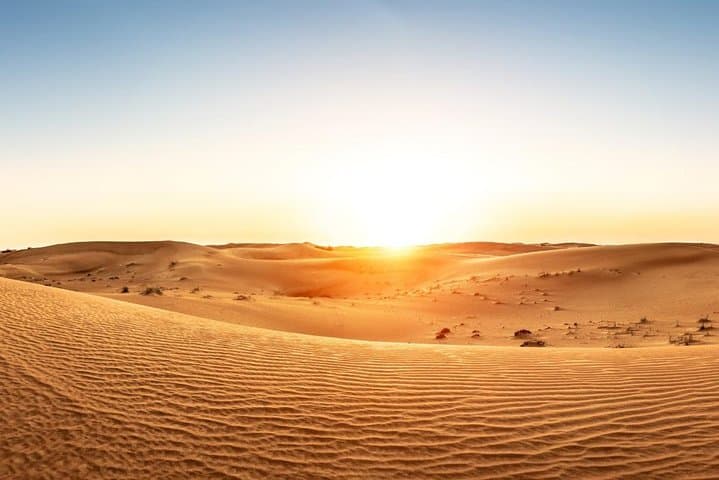
This shoreline has long been shaped by salt and people: local salt-harvesting traditions date back generations, and the lake’s high salinity and seasonal algae blooms are the reason it once earned its rosy reputation. Geologically the basin is a coastal lagoon cut off by sandbars and fed by groundwater and occasional Atlantic influence, creating dense saline pools and sculpted dunes that dare you to climb them for a view.
A short drive away, Noflaye Park centers on turtle conservation—small breeding enclosures, interpretive signs, and local stewards working to protect nesting sites. Cultural encounters with salt workers and park staff give context to both industry and conservation in this fragile coastal zone.
Practical guidance: plan for 5–6 hours including transport from Dakar (roughly 35 km), wear sun-protective layers and sturdy sandals or lightweight hiking shoes for sandy terrain, and bring 1–2 liters of water per person. Visit in early morning or late afternoon for softer light and cooler temperatures. Respect the turtle enclosures, avoid entering salt pans without a guide, and carry small bills for local vendors and tips. Even when the pink hue is absent, the landscape and local stories make the trip a compelling, accessible half-day outing.
easy.
5–6 hours.
Suitable for most fitness levels; expect short walks on sand and flat tracks
The lake’s pink color depends on the Dunaliella salina algae and salt concentration; color can be reduced by environmental changes, so it may appear pale or not pink at all.
High salinity allows strong buoyancy, but water is very salty and can irritate skin and eyes; avoid if you have open cuts and follow any local guidance.
Most visitors take a guided tour or private transport; the drive is about 35 km northeast from central Dakar and the tour often includes pickup and return.
The park focuses on conservation and often has turtles in enclosures and care areas, but sightings of wild nesting turtles are seasonal and not guaranteed.
Lake Retba has supported local salt-harvesting communities for generations and was historically important for regional salt trade.
The lake’s pink algae are sensitive to salinity and freshwater input; conservation efforts at Noflaye focus on turtle protection and educating visitors about reducing disturbance and plastic pollution.
Senegal Shuttle operates guided outdoor trips and adventures with an emphasis on safety, stewardship, and memorable experiences.
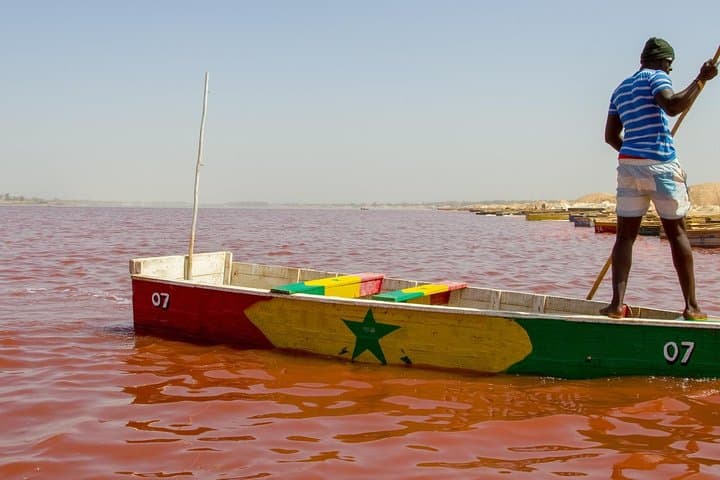
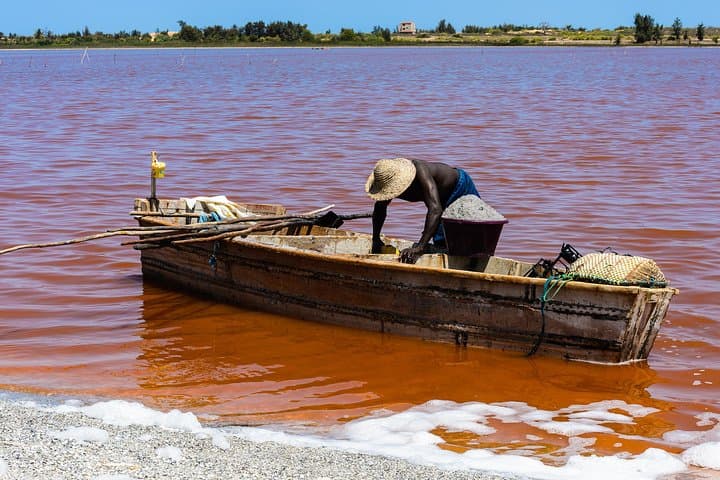
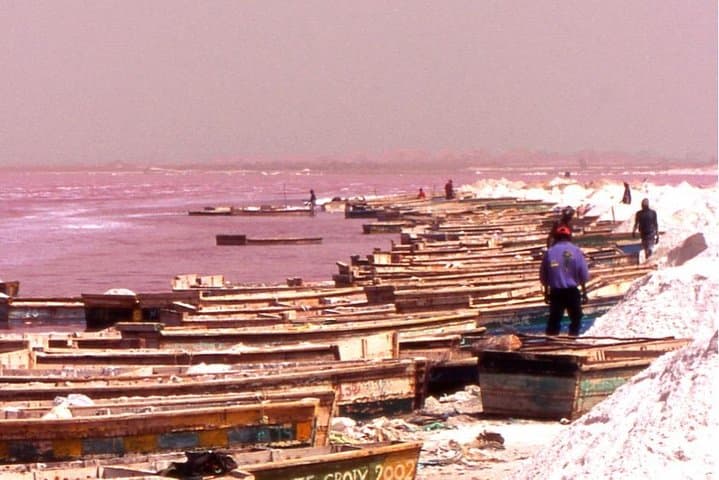
A breeze off the Atlantic skims the low salt flats and lifts fine sand from the dune ridges as you step from an air-conditioned van onto the hard crust around Lac Rose. The lake sits broad and shallow, its surface sometimes tinged pink by halophilic algae, and today it greets you with wide, reflective pans and the crisp white lines of salt harvesters.
A breeze off the Atlantic skims the low salt flats and lifts fine sand from the dune ridges as you step from an air-conditioned van onto the hard crust around Lac Rose. The lake sits broad and shallow, its surface sometimes tinged pink by halophilic algae, and today it greets you with wide, reflective pans and the crisp white lines of salt harvesters.
This shoreline has long been shaped by salt and people: local salt-harvesting traditions date back generations, and the lake’s high salinity and seasonal algae blooms are the reason it once earned its rosy reputation. Geologically the basin is a coastal lagoon cut off by sandbars and fed by groundwater and occasional Atlantic influence, creating dense saline pools and sculpted dunes that dare you to climb them for a view.
A short drive away, Noflaye Park centers on turtle conservation—small breeding enclosures, interpretive signs, and local stewards working to protect nesting sites. Cultural encounters with salt workers and park staff give context to both industry and conservation in this fragile coastal zone.
Practical guidance: plan for 5–6 hours including transport from Dakar (roughly 35 km), wear sun-protective layers and sturdy sandals or lightweight hiking shoes for sandy terrain, and bring 1–2 liters of water per person. Visit in early morning or late afternoon for softer light and cooler temperatures. Respect the turtle enclosures, avoid entering salt pans without a guide, and carry small bills for local vendors and tips. Even when the pink hue is absent, the landscape and local stories make the trip a compelling, accessible half-day outing.