THE ADVENTURE COLLECTIVE® · Independent discovery and booking for outdoor travel

Spend a half-day with a Kazakh berkutchi family outside Astana: watch a golden-eagle show, learn yurt cooking, try archery and take a beginner horse ride. This private cultural visit combines hands-on tradition with close-up wildlife encounters.
Spend a half-day with a Kazakh berkutchi family outside Astana: watch a golden-eagle show, learn yurt cooking, try archery and take a beginner horse ride. This private cultural visit combines hands-on tradition with close-up wildlife encounters.
A wind-cut plain opens as you step out of the vehicle and a circle of felt yurts comes into focus; children in embroidered shirts pause their games to grin and wave. Inside the largest yurt steam rises from a pot of shorpo while a kusbegi (berkutchi) pads out with a golden eagle balanced on his gloved fist — the bird’s amber eyes tracking motion like a living compass.
Verified experiences and guided adventures in the surrounding area.
Operated by Turan Asia · Astana, Akmola Region
A wind-cut plain opens as you step out of the vehicle and a circle of felt yurts comes into focus; children in embroidered shirts pause their games to grin and wave. Inside the largest yurt steam rises from a pot of shorpo while a kusbegi (berkutchi) pads out with a golden eagle balanced on his gloved fist — the bird’s amber eyes tracking motion like a living compass.
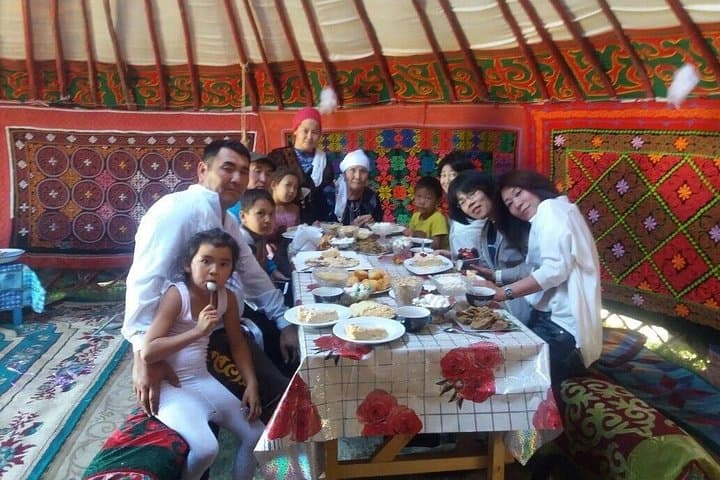
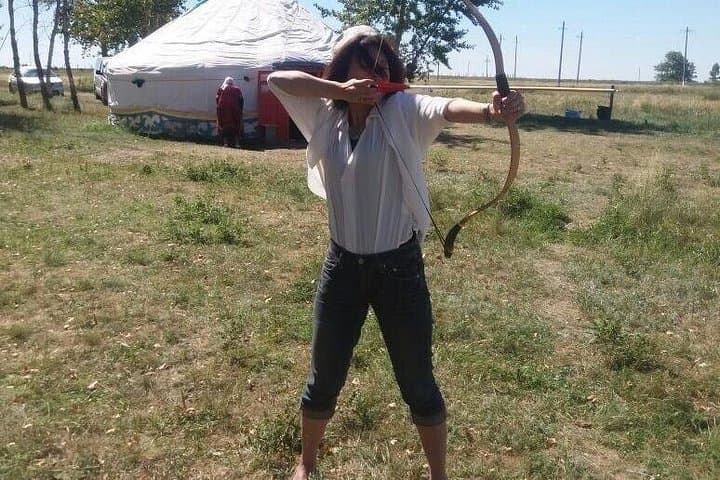
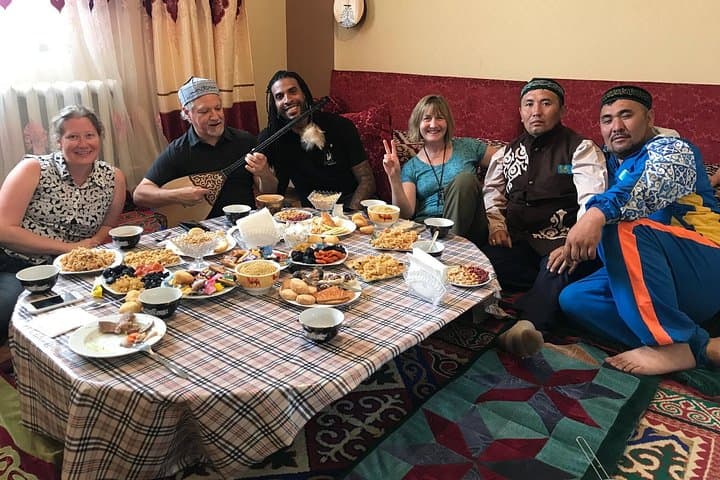
The practice of hunting with berkuts (golden eagles) goes back centuries across Kazakh steppe culture; it’s linked to nomadic horse life and seasonal migration patterns rather than static settlement. The geology of the surrounding steppes — loess soils over flat plains — shaped that nomadic lifestyle: wide sightlines for mounted hunters, grass for grazing, and yurts easy to assemble. In this visit you’ll see traditional cooking (baursak and beshbarmak), hear the dombra’s two-stringed drone, try archery and saddle up for an introduction to riding.
Practical guidance: the experience is typically a half-day private visit, suitable for most fitness levels and family-friendly. Respect the birds — photograph at the guide’s cue and don’t approach the eagle without permission. Bring sun protection and sturdy shoes for uneven ground; weather shifts quickly on the steppe so a wind layer is useful. Expect an immersive cultural exchange rather than a staged performance: ask questions, accept offers to taste beshbarmak with your hands, and be prepared for close-up encounters with endangered wildlife registered in Kazakhstan’s Red Book. The visit is as much about listening and learning as it is about spectacle.
easy.
6 hours.
Light activity; suitable for most travelers including beginners to riding and archery
Only under direct supervision of the kusbegi; handlers will show when and how to safely hold the bird if the family permits.
Yes — the tour is described as suitable for all fitness levels and includes wheelchair-accessible options, but notify the operator of mobility needs ahead of time.
Comfortable, modest clothing and closed-toe shoes; remove muddy shoes if requested when entering a yurt and bring a sunhat and layers.
Photography is generally allowed but follow the guide’s cues, avoid flash during the eagle handling, and be respectful during private family moments or musical performances.
Hunting with golden eagles is a nomadic tradition in Central Asia; kusbegi have passed techniques and cultural rites down through family lines for generations.
Berkuts appear in Kazakhstan’s Red Book; responsible tours work with families that prioritize the birds’ welfare and avoid stressing them for repeated displays.
Turan Asia operates guided outdoor trips and adventures with an emphasis on safety, stewardship, and memorable experiences.
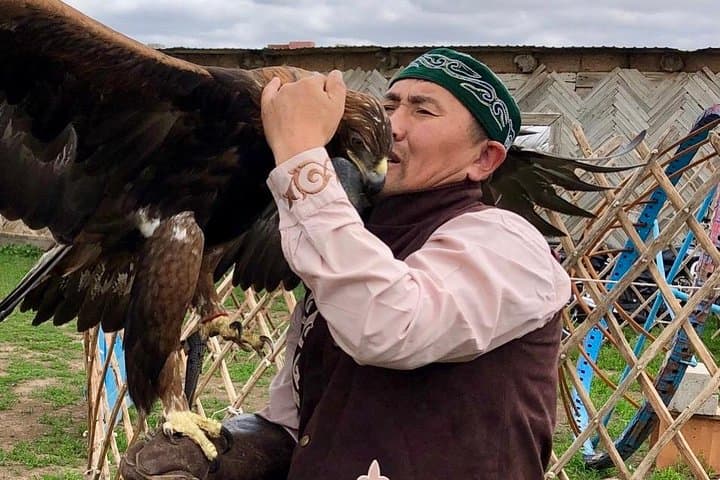
A wind-cut plain opens as you step out of the vehicle and a circle of felt yurts comes into focus; children in embroidered shirts pause their games to grin and wave. Inside the largest yurt steam rises from a pot of shorpo while a kusbegi (berkutchi) pads out with a golden eagle balanced on his gloved fist — the bird’s amber eyes tracking motion like a living compass.
A wind-cut plain opens as you step out of the vehicle and a circle of felt yurts comes into focus; children in embroidered shirts pause their games to grin and wave. Inside the largest yurt steam rises from a pot of shorpo while a kusbegi (berkutchi) pads out with a golden eagle balanced on his gloved fist — the bird’s amber eyes tracking motion like a living compass.
The practice of hunting with berkuts (golden eagles) goes back centuries across Kazakh steppe culture; it’s linked to nomadic horse life and seasonal migration patterns rather than static settlement. The geology of the surrounding steppes — loess soils over flat plains — shaped that nomadic lifestyle: wide sightlines for mounted hunters, grass for grazing, and yurts easy to assemble. In this visit you’ll see traditional cooking (baursak and beshbarmak), hear the dombra’s two-stringed drone, try archery and saddle up for an introduction to riding.
Practical guidance: the experience is typically a half-day private visit, suitable for most fitness levels and family-friendly. Respect the birds — photograph at the guide’s cue and don’t approach the eagle without permission. Bring sun protection and sturdy shoes for uneven ground; weather shifts quickly on the steppe so a wind layer is useful. Expect an immersive cultural exchange rather than a staged performance: ask questions, accept offers to taste beshbarmak with your hands, and be prepared for close-up encounters with endangered wildlife registered in Kazakhstan’s Red Book. The visit is as much about listening and learning as it is about spectacle.