THE ADVENTURE COLLECTIVE® · Independent discovery and booking for outdoor travel

Spend a focused half-day watching rescued baby elephants bottle-feed and play at the David Sheldrick Wildlife Trust near Nairobi National Park. This guided visit pairs close-up encounters with clear explanation of rescue, rehabilitation, and release practices.
Spend a focused half-day watching rescued baby elephants bottle-feed and play at the David Sheldrick Wildlife Trust near Nairobi National Park. This guided visit pairs close-up encounters with clear explanation of rescue, rehabilitation, and release practices.
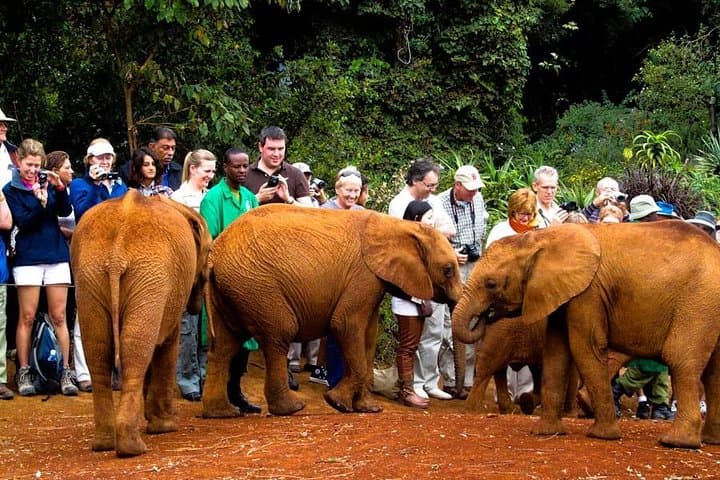
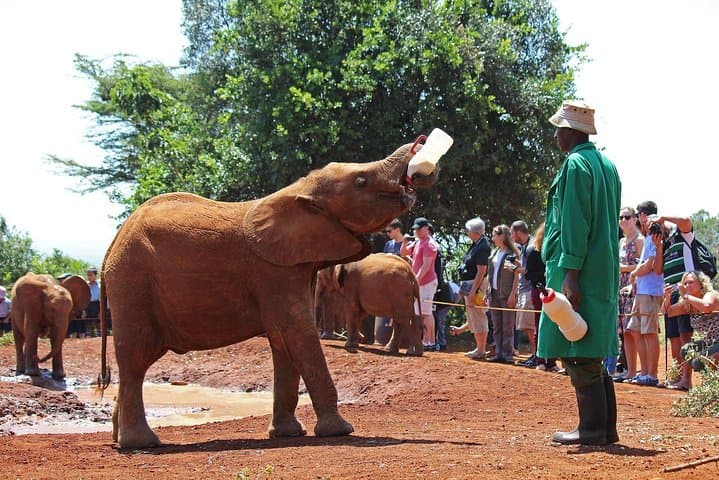
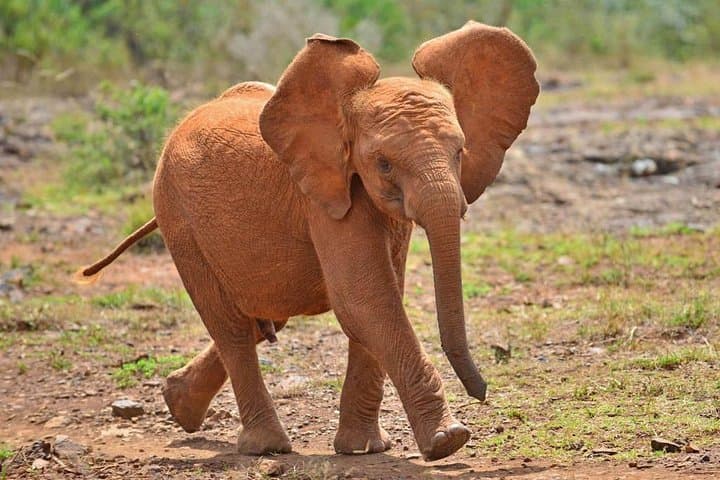
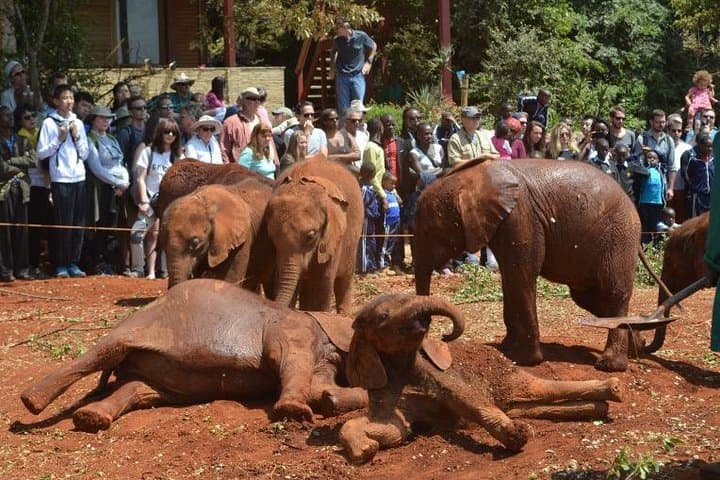
You arrive before the fence at the orphanage as the morning sun warms the scrub beyond Nairobi National Park. Keepers stand ready with giant milk bottles; the youngest elephants trot from the thickets as if answering a call. For an hour you watch trunks learn to shepherd a bottle and calves splash in shallow pools, their energy pushing the scene into motion.
Verified experiences and guided adventures in the surrounding area.
Operated by Sabilom Kenya Tours & Safaris · Nairobi, Nairobi County
You arrive before the fence at the orphanage as the morning sun warms the scrub beyond Nairobi National Park. Keepers stand ready with giant milk bottles; the youngest elephants trot from the thickets as if answering a call. For an hour you watch trunks learn to shepherd a bottle and calves splash in shallow pools, their energy pushing the scene into motion.
The David Sheldrick Wildlife Trust began in the 1970s as a rescue and rehabilitation program for Kenya’s orphaned elephants and has grown into a leading conservation charity. Geologically, the area is part of the Athi-Kapiti Plains where volcanic soils and seasonal rivers shape the scrub and acacia stands that elephants navigate once released. The experience touches on local culture too: keepers—many trained in Kenyan wildlife management—explain causes of orphaning, often linked to poaching, land use change, and human–wildlife conflict.
Practically, the visit is short and focused: arrive at the scheduled time, pass a rope fence for a close but controlled viewing, and photograph the animals while respecting the keepers’ instructions. Expect packed dirt underfoot, sun exposure, and plenty of photo ops between 11:00–12:00 when feeding occurs. The trust emphasizes that sightings are part demonstration, part education—animals return to the bush when they’re ready, pushed gently by keepers back into the wild.
Plan for sun protection, a filled water bottle, and a camera with a mid-range zoom. The visit is family-friendly and accessible for most mobility levels, but remain quiet and follow staff directions—this keeps the calves calm and the conservation work effective.
easy.
2–3 hours.
Suitable for most fitness levels; requires standing on flat, unpaved ground for ~1 hour
The standard visit is about one hour at the orphanage, typically within a 2–3 hour half-day tour including pickup and drop-off.
Yes—families are welcome, but infants must sit on laps and all visitors should follow staff guidance for safety.
No—interaction is managed by trained keepers; visitors watch and photograph from designated areas to protect animals and people.
The viewing area is on flat, open ground with rope barriers; basic accessibility is possible, but uneven dirt paths may pose minor challenges.
Founded in the 1970s, the David Sheldrick Wildlife Trust pioneered orphan rescue and reintegration programs that helped shape Kenyan conservation policy.
The trust is funded by donations and emphasizes rehabilitation and eventual release; visitor behavior is tightly controlled to minimize stress and disease risk to animals.
Sabilom Kenya Tours & Safaris operates guided outdoor trips and adventures with an emphasis on safety, stewardship, and memorable experiences.
You arrive before the fence at the orphanage as the morning sun warms the scrub beyond Nairobi National Park. Keepers stand ready with giant milk bottles; the youngest elephants trot from the thickets as if answering a call. For an hour you watch trunks learn to shepherd a bottle and calves splash in shallow pools, their energy pushing the scene into motion.
You arrive before the fence at the orphanage as the morning sun warms the scrub beyond Nairobi National Park. Keepers stand ready with giant milk bottles; the youngest elephants trot from the thickets as if answering a call. For an hour you watch trunks learn to shepherd a bottle and calves splash in shallow pools, their energy pushing the scene into motion.
The David Sheldrick Wildlife Trust began in the 1970s as a rescue and rehabilitation program for Kenya’s orphaned elephants and has grown into a leading conservation charity. Geologically, the area is part of the Athi-Kapiti Plains where volcanic soils and seasonal rivers shape the scrub and acacia stands that elephants navigate once released. The experience touches on local culture too: keepers—many trained in Kenyan wildlife management—explain causes of orphaning, often linked to poaching, land use change, and human–wildlife conflict.
Practically, the visit is short and focused: arrive at the scheduled time, pass a rope fence for a close but controlled viewing, and photograph the animals while respecting the keepers’ instructions. Expect packed dirt underfoot, sun exposure, and plenty of photo ops between 11:00–12:00 when feeding occurs. The trust emphasizes that sightings are part demonstration, part education—animals return to the bush when they’re ready, pushed gently by keepers back into the wild.
Plan for sun protection, a filled water bottle, and a camera with a mid-range zoom. The visit is family-friendly and accessible for most mobility levels, but remain quiet and follow staff directions—this keeps the calves calm and the conservation work effective.