THE ADVENTURE COLLECTIVE® · Independent discovery and booking for outdoor travel

Walk boardwalks above shallow lagoons to see Nile crocodiles, turtles and a curated botanic garden in Agadir. This 90-minute visit blends close-up wildlife viewing with practical insights into local plants and reptile behavior.
Walk boardwalks above shallow lagoons to see Nile crocodiles, turtles and a curated botanic garden in Agadir. This 90-minute visit blends close-up wildlife viewing with practical insights into local plants and reptile behavior.
You arrive under a low Moroccan sun and the park’s modern enclosures come into view—cement paths winding past shallow lagoons where more than 300 Nile crocodiles lie half-submerged, eyes tracking your approach like weathered sentinels. Palm stands and non-native trees shade boardwalks; the architecture frames animal displays so the landscape feels less menagerie and more controlled slice of wild.
Verified experiences and guided adventures in the surrounding area.
Operated by Best Ride Tours · Agadir, Souss-Massa
You arrive under a low Moroccan sun and the park’s modern enclosures come into view—cement paths winding past shallow lagoons where more than 300 Nile crocodiles lie half-submerged, eyes tracking your approach like weathered sentinels. Palm stands and non-native trees shade boardwalks; the architecture frames animal displays so the landscape feels less menagerie and more controlled slice of wild.
Opened within Agadir’s growing tourism circuit, the park pairs a reptile collection with botanical specimens collected for visually distinct landscaping. Geologically, the site sits on coastal plains of the Souss valley, where sandy soils support drought-tolerant plantings and shallow water features that mimic river margins the crocs would favor in the wild.
Culturally, Croco Parc presents an accessible window into species often misunderstood—your guide will translate behavior, feeding ecology and local conservation context into plain language. Expect viewpoints that bring you close to turtles, large snakes and smaller reptiles, and labeled plantings that explain water-wise gardening in a semi-arid climate.
Practicalities: tours last roughly 90 minutes, paths are paved and stroller-accessible, and private transfers with air-conditioned vehicles are commonly offered. Wear sturdy walking shoes, sun protection and bring a refillable water bottle; photography is allowed but move slowly around enclosures. Peak visiting times are morning or late afternoon to avoid heat and see the crocs more active. The site is suitable for families and not physically demanding, but always follow staff instructions around enclosures—these animals command respect even when still.
easy.
1–2 hours.
Suitable for most fitness levels; minimal walking on paved paths and some stairs.
Yes—this park is family-friendly with stroller access, but infants must sit on laps in vehicles during private transfers.
No—feeding is managed by staff; visitors should never attempt to feed or touch animals for safety and welfare reasons.
Much of the site is on paved paths and designed for stroller access, but check with staff about full wheelchair accessibility for specific enclosures.
Professional guides are usually provided; private transportation and guided visits are commonly bundled with bookings.
The park is a recent addition to Agadir’s attractions, created to combine reptile conservation displays with botanical landscaping that demonstrates water-wise planting in the Souss valley.
The facility presents educational messaging about captive care and the importance of wetland habitats, but visitors should support reputable conservation programs and avoid encouraging souvenir trade in wild reptiles.
Best Ride Tours operates guided outdoor trips and adventures with an emphasis on safety, stewardship, and memorable experiences.


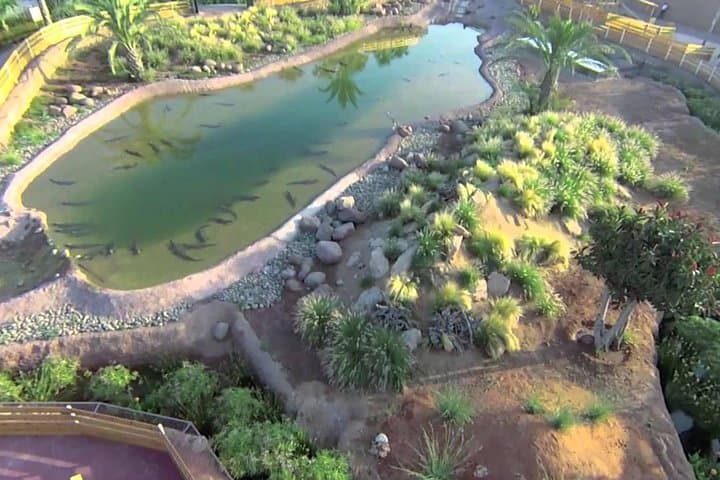
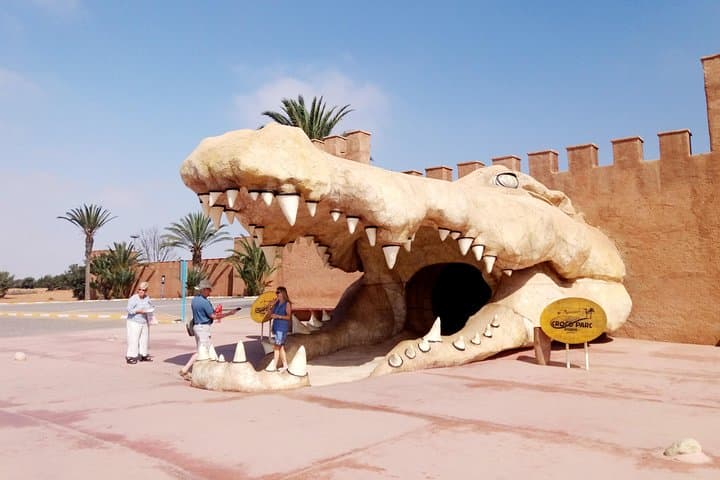
You arrive under a low Moroccan sun and the park’s modern enclosures come into view—cement paths winding past shallow lagoons where more than 300 Nile crocodiles lie half-submerged, eyes tracking your approach like weathered sentinels. Palm stands and non-native trees shade boardwalks; the architecture frames animal displays so the landscape feels less menagerie and more controlled slice of wild.
You arrive under a low Moroccan sun and the park’s modern enclosures come into view—cement paths winding past shallow lagoons where more than 300 Nile crocodiles lie half-submerged, eyes tracking your approach like weathered sentinels. Palm stands and non-native trees shade boardwalks; the architecture frames animal displays so the landscape feels less menagerie and more controlled slice of wild.
Opened within Agadir’s growing tourism circuit, the park pairs a reptile collection with botanical specimens collected for visually distinct landscaping. Geologically, the site sits on coastal plains of the Souss valley, where sandy soils support drought-tolerant plantings and shallow water features that mimic river margins the crocs would favor in the wild.
Culturally, Croco Parc presents an accessible window into species often misunderstood—your guide will translate behavior, feeding ecology and local conservation context into plain language. Expect viewpoints that bring you close to turtles, large snakes and smaller reptiles, and labeled plantings that explain water-wise gardening in a semi-arid climate.
Practicalities: tours last roughly 90 minutes, paths are paved and stroller-accessible, and private transfers with air-conditioned vehicles are commonly offered. Wear sturdy walking shoes, sun protection and bring a refillable water bottle; photography is allowed but move slowly around enclosures. Peak visiting times are morning or late afternoon to avoid heat and see the crocs more active. The site is suitable for families and not physically demanding, but always follow staff instructions around enclosures—these animals command respect even when still.