THE ADVENTURE COLLECTIVE® · Independent discovery and booking for outdoor travel

Spend a morning with one of Crete’s oldest olive trees and a family-run mill for a hands-on tasting of extra virgin olive oil. This private 3‑hour tour pairs cultural history with practical sampling and short, accessible walks.
Spend a morning with one of Crete’s oldest olive trees and a family-run mill for a hands-on tasting of extra virgin olive oil. This private 3‑hour tour pairs cultural history with practical sampling and short, accessible walks.
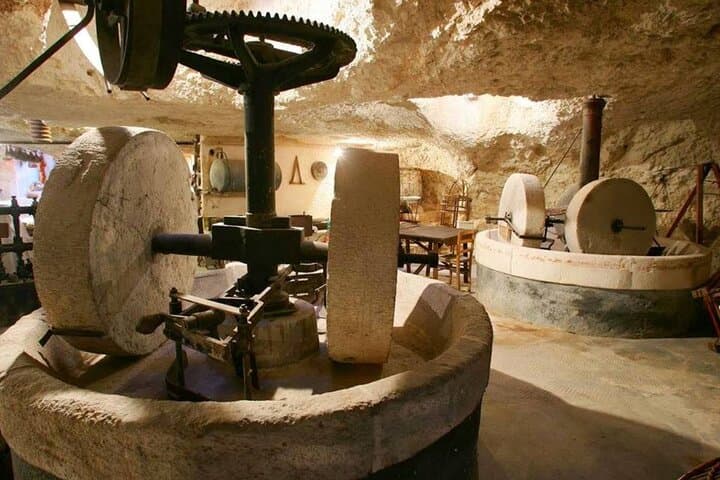
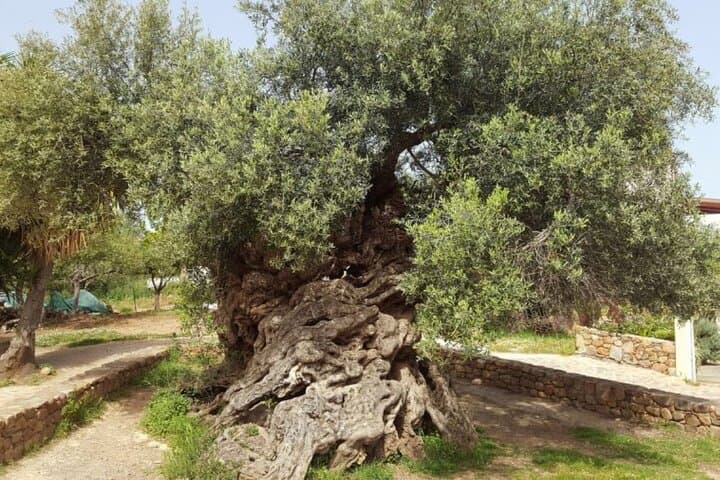
You step off a quiet country road and the air changes: a low, peppery scent of crushed olives, stone warmed by the sun, and rows of silver-green leaves making a soft, restless sound. In less than an hour from coastal towns you arrive at a monumental olive tree — one of the island’s oldest living landmarks — and then at a small family mill where millstones and presses still shape oil the way they have here for centuries.
Verified experiences and guided adventures in the surrounding area.
Operated by 7plan · Chania, Crete
You step off a quiet country road and the air changes: a low, peppery scent of crushed olives, stone warmed by the sun, and rows of silver-green leaves making a soft, restless sound. In less than an hour from coastal towns you arrive at a monumental olive tree — one of the island’s oldest living landmarks — and then at a small family mill where millstones and presses still shape oil the way they have here for centuries.
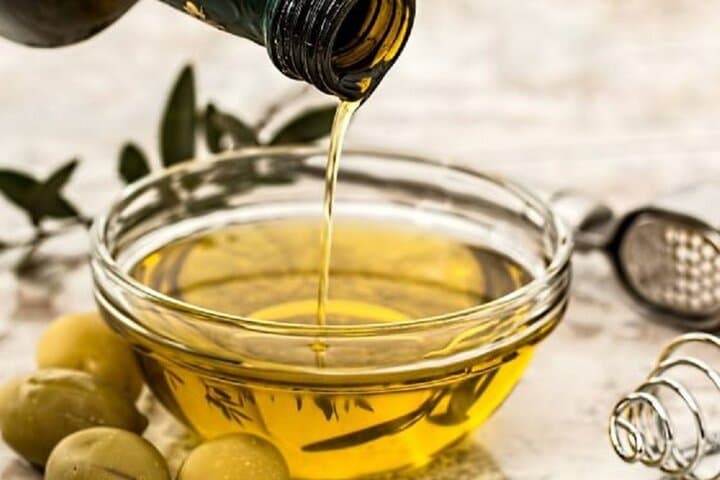
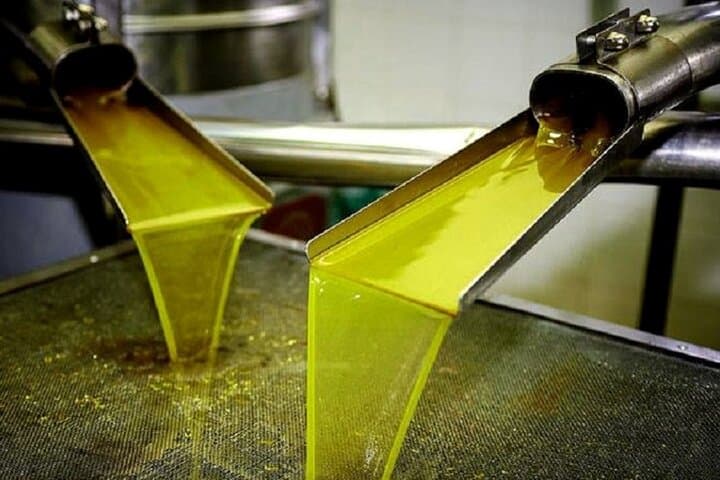
Crete’s olive culture stretches back millennia; this landscape is limestone and terraces carved by generations who learned to coax fruit from thin soils. The family-run mill you’ll visit uses traditional presses alongside modern hygiene standards, and tasting reveals why Cretan extra virgin is prized: grassy top notes, a bitter green finish and a peppery throat that speaks to timing and varietal care.
Beyond flavor, the visit surfaces local history — rural life centered on the harvest, communal oil presses, and the economic role of the olive in Minoan and Venetian eras — and practical geology: terraced slopes for drainage, shallow soils that concentrate flavor.
Plan for light walking on uneven farm tracks, bring sun protection and comfortable shoes. Tastings are paced: expect guided pours, comparisons and an introduction to drizzling and pairing. The minibus service is private and wheelchair-accessible if arranged at booking, with onboard amenities for a comfortable short transfer. Buy a small bottle from the mill — fresh oil keeps best in a cool, dark place — and time visits for morning light when olives are cool and aromas most pronounced.
easy.
3–4 hours.
Light activity: short walks on uneven ground; accessible with assistance for most travelers
The private tour lasts about 3 hours and includes private transportation, bottled water, a visit to the monumental olive tree and a guided tasting at a family olive mill.
Yes — the operator can accommodate up to two wheelchairs or one mobility scooter when requested at booking; confirm pickup and assistance needs ahead of time.
Yes, mills typically sell freshly bottled extra virgin olive oil in various sizes; pack it securely in luggage and store it in a cool, dark place after purchase.
Children are welcome on the tour, but tastings are geared toward adults; non-alcoholic refreshments are provided and staff can recommend age-appropriate sampling or activities.
Olive cultivation on Crete dates back to Minoan times; communal presses and family-run mills have shaped rural life for centuries, reflected in local festivals around the harvest.
Small mills often practice low-intervention agriculture; visitors can support sustainable producers by buying certified organic or locally-pressed oil and avoiding excess packaging.
7plan operates guided outdoor trips and adventures with an emphasis on safety, stewardship, and memorable experiences.
You step off a quiet country road and the air changes: a low, peppery scent of crushed olives, stone warmed by the sun, and rows of silver-green leaves making a soft, restless sound. In less than an hour from coastal towns you arrive at a monumental olive tree — one of the island’s oldest living landmarks — and then at a small family mill where millstones and presses still shape oil the way they have here for centuries.
You step off a quiet country road and the air changes: a low, peppery scent of crushed olives, stone warmed by the sun, and rows of silver-green leaves making a soft, restless sound. In less than an hour from coastal towns you arrive at a monumental olive tree — one of the island’s oldest living landmarks — and then at a small family mill where millstones and presses still shape oil the way they have here for centuries.
Crete’s olive culture stretches back millennia; this landscape is limestone and terraces carved by generations who learned to coax fruit from thin soils. The family-run mill you’ll visit uses traditional presses alongside modern hygiene standards, and tasting reveals why Cretan extra virgin is prized: grassy top notes, a bitter green finish and a peppery throat that speaks to timing and varietal care.
Beyond flavor, the visit surfaces local history — rural life centered on the harvest, communal oil presses, and the economic role of the olive in Minoan and Venetian eras — and practical geology: terraced slopes for drainage, shallow soils that concentrate flavor.
Plan for light walking on uneven farm tracks, bring sun protection and comfortable shoes. Tastings are paced: expect guided pours, comparisons and an introduction to drizzling and pairing. The minibus service is private and wheelchair-accessible if arranged at booking, with onboard amenities for a comfortable short transfer. Buy a small bottle from the mill — fresh oil keeps best in a cool, dark place — and time visits for morning light when olives are cool and aromas most pronounced.