THE ADVENTURE COLLECTIVE® · Independent discovery and booking for outdoor travel

A short, conservation-focused half-day trip from Agra to the world's largest sloth bear rescue center set beside Sur Sarovar (Keetham) lake. Learn the history of 'dancing bear' rescues, watch fed and cared-for bears, and scan the sanctuary for resident waterbirds.
A short, conservation-focused half-day trip from Agra to the world's largest sloth bear rescue center set beside Sur Sarovar (Keetham) lake. Learn the history of 'dancing bear' rescues, watch fed and cared-for bears, and scan the sanctuary for resident waterbirds.
The morning drive out of Agra slides past sugarcane fields and small villages until the road opens on a broad wetland where Keetham (Sur Sarovar) lake spreads like a mirror. The Bear Rescue Center sits on the lake's edge; you arrive to the low, purposeful activity of keepers and bears changing the rhythm of the place. Sloth bears lumber, scratch, and forage — curious in their own tempo — while waterbirds wheel over reed beds.
Verified experiences and guided adventures in the surrounding area.
Operated by SITA World Tours · Agra, Uttar Pradesh
The morning drive out of Agra slides past sugarcane fields and small villages until the road opens on a broad wetland where Keetham (Sur Sarovar) lake spreads like a mirror. The Bear Rescue Center sits on the lake's edge; you arrive to the low, purposeful activity of keepers and bears changing the rhythm of the place. Sloth bears lumber, scratch, and forage — curious in their own tempo — while waterbirds wheel over reed beds.
The center was established to end the cruel tradition of ‘dancing bears’ and now houses over 250 rescued sloth bears. The sanctuary itself is a shallow wetland on alluvial plains, important for wintering and resident waterfowl and a pocket of semi-wild scrub that supports other mammals and reptiles. Cultural context is direct: the rescue program is part of wider Indian efforts to rehabilitate animals used in performance and to restore wetland habitat around Agra.
Expect a guided, educational tour: a short video on rescue history, a walk with keepers to observe feeding and enrichment, and binocular-friendly views across the sanctuary. The terrain is flat but uneven near enclosures; watch for mud and bird-hide paths.
Practical tips: arrive early to avoid midday heat, wear closed shoes and sun protection, and keep voices low around animals. Photography is allowed but follow keeper instructions — no feeding or crossing barriers. The half-day visit pairs well with a longer Agra itinerary: it’s a quiet, conservation-focused counterpoint to the city’s monuments.
easy.
4 hours.
Moderate; involves short walks and standing during talks—suitable for most travelers in reasonable health
The full excursion runs about 4 hours with roughly a 40–50 minute drive each way from central Agra, depending on traffic.
Yes—photography is permitted but avoid flash, use a zoom lens, and stay behind barriers as instructed by keepers.
Children are welcome but under-15s must be accompanied by an adult; strollers may be difficult on uneven paths.
The reserve has uneven ground and some steps; it’s not ideal for travelers with significant mobility limitations—check with the operator for specific needs.
The center grew from Indian and NGO efforts to end the practice of ‘dancing bears,’ providing sanctuary and veterinary care to hundreds of rescued sloth bears.
Visiting supports ongoing rehabilitation and public education programs; stick to trails and guidelines to minimize disturbance to birds and mammals.
SITA World Tours operates guided outdoor trips and adventures with an emphasis on safety, stewardship, and memorable experiences.
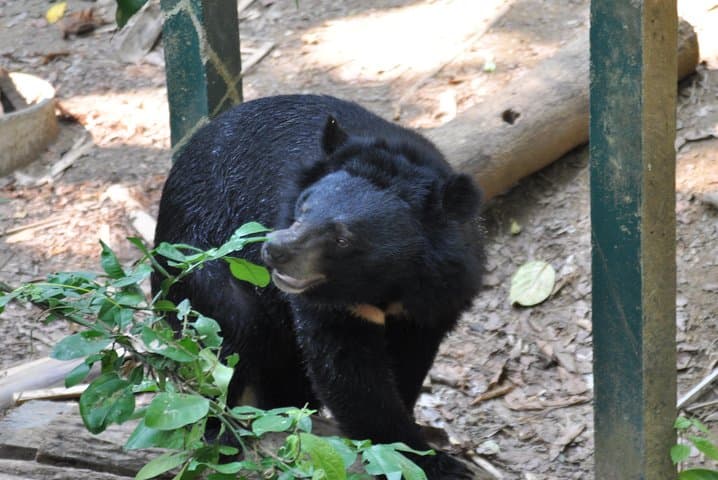
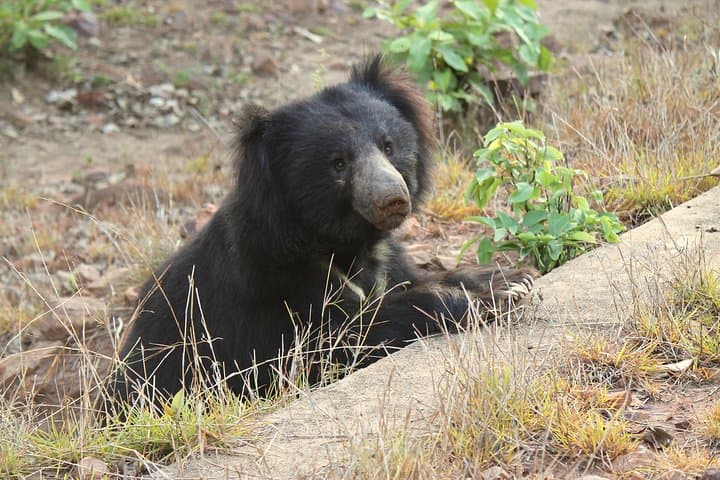
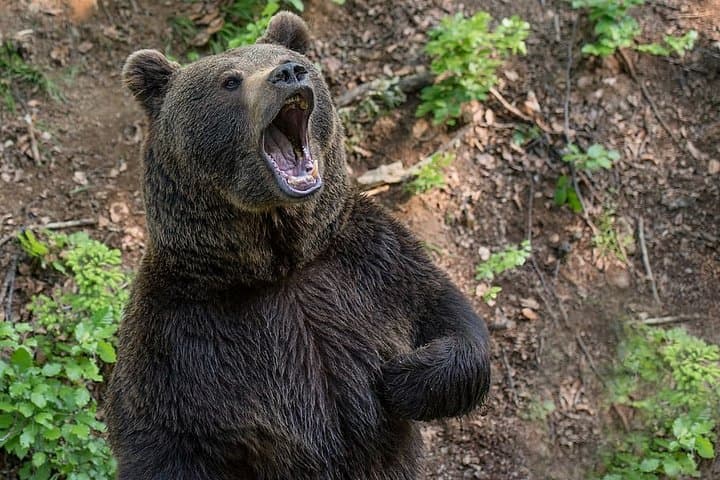
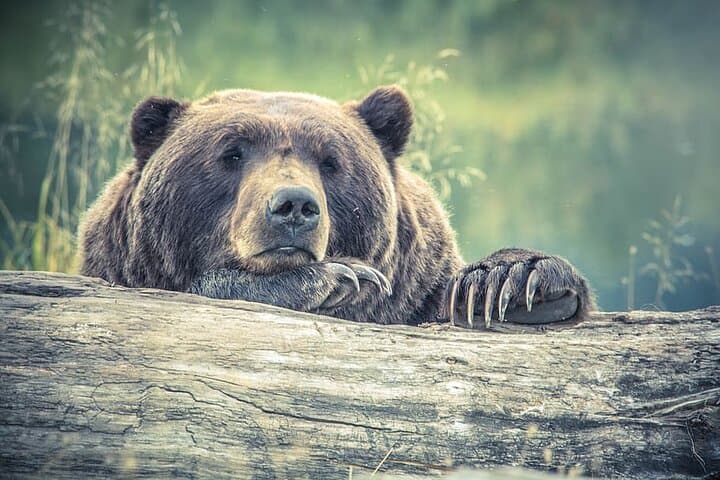
The morning drive out of Agra slides past sugarcane fields and small villages until the road opens on a broad wetland where Keetham (Sur Sarovar) lake spreads like a mirror. The Bear Rescue Center sits on the lake's edge; you arrive to the low, purposeful activity of keepers and bears changing the rhythm of the place. Sloth bears lumber, scratch, and forage — curious in their own tempo — while waterbirds wheel over reed beds.
The morning drive out of Agra slides past sugarcane fields and small villages until the road opens on a broad wetland where Keetham (Sur Sarovar) lake spreads like a mirror. The Bear Rescue Center sits on the lake's edge; you arrive to the low, purposeful activity of keepers and bears changing the rhythm of the place. Sloth bears lumber, scratch, and forage — curious in their own tempo — while waterbirds wheel over reed beds.
The center was established to end the cruel tradition of ‘dancing bears’ and now houses over 250 rescued sloth bears. The sanctuary itself is a shallow wetland on alluvial plains, important for wintering and resident waterfowl and a pocket of semi-wild scrub that supports other mammals and reptiles. Cultural context is direct: the rescue program is part of wider Indian efforts to rehabilitate animals used in performance and to restore wetland habitat around Agra.
Expect a guided, educational tour: a short video on rescue history, a walk with keepers to observe feeding and enrichment, and binocular-friendly views across the sanctuary. The terrain is flat but uneven near enclosures; watch for mud and bird-hide paths.
Practical tips: arrive early to avoid midday heat, wear closed shoes and sun protection, and keep voices low around animals. Photography is allowed but follow keeper instructions — no feeding or crossing barriers. The half-day visit pairs well with a longer Agra itinerary: it’s a quiet, conservation-focused counterpoint to the city’s monuments.