THE ADVENTURE COLLECTIVE® · Independent discovery and booking for outdoor travel

A guided day-hike to Viševnik (2,050 m) offers sweeping Triglav views with an easy-to-moderate ascent and transfer from Bled. Perfect for hikers seeking high-alpine panoramas without technical climbing.
A guided day-hike to Viševnik (2,050 m) offers sweeping Triglav views with an easy-to-moderate ascent and transfer from Bled. Perfect for hikers seeking high-alpine panoramas without technical climbing.
You step out of the transfer van with the first ridges of Triglav National Park cutting the sky — a sharp, clean line of limestone and forest. The trail rises in a steady rhythm; stones click under boots, and the spruce and dwarf pines breathe cool, resin-scented air that seems to push you higher.
Verified experiences and guided adventures in the surrounding area.
Operated by Triglav Tours · Bled, Upper Carniola
You step out of the transfer van with the first ridges of Triglav National Park cutting the sky — a sharp, clean line of limestone and forest. The trail rises in a steady rhythm; stones click under boots, and the spruce and dwarf pines breathe cool, resin-scented air that seems to push you higher.
Viševnik (2,050 m) sits above the Bohinj valley and offers panoramic windows onto the Julian Alps and the deep blue of nearby lakes. Geologically the area is mostly Mesozoic limestone, carved into steep faces and grassy bowls by glacial action during the last ice age. Culturally, this region bears shepherding and alpine-farming traditions; simple mountain huts and pasture fences still mark routes used for generations.
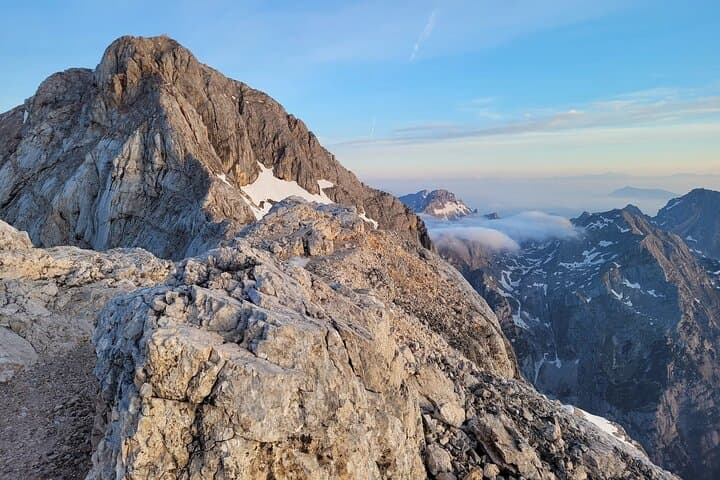
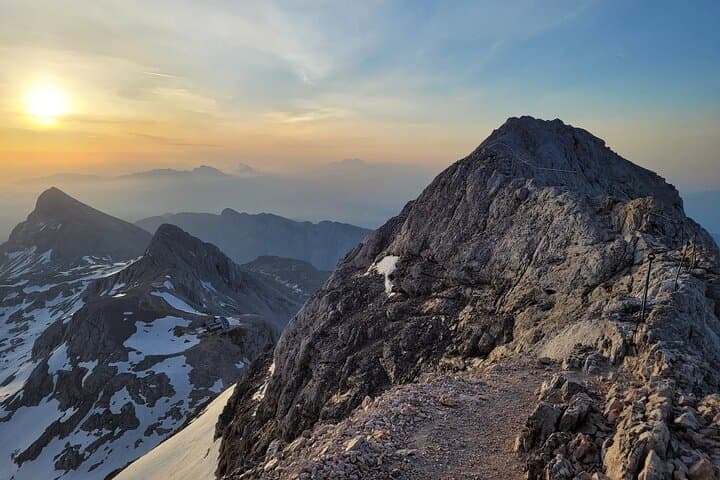
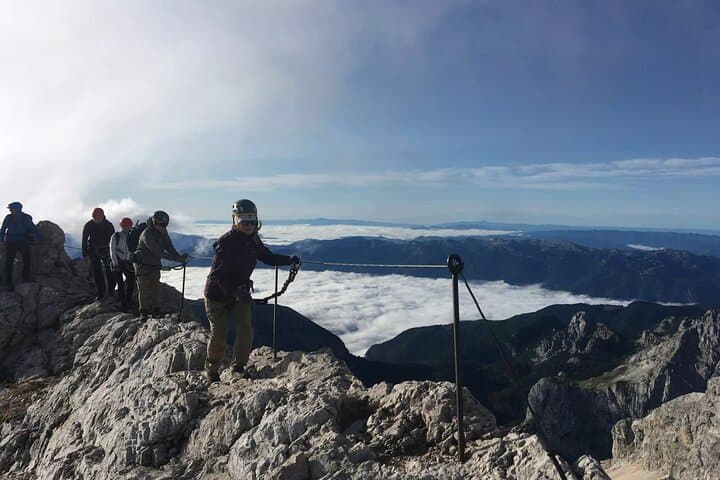
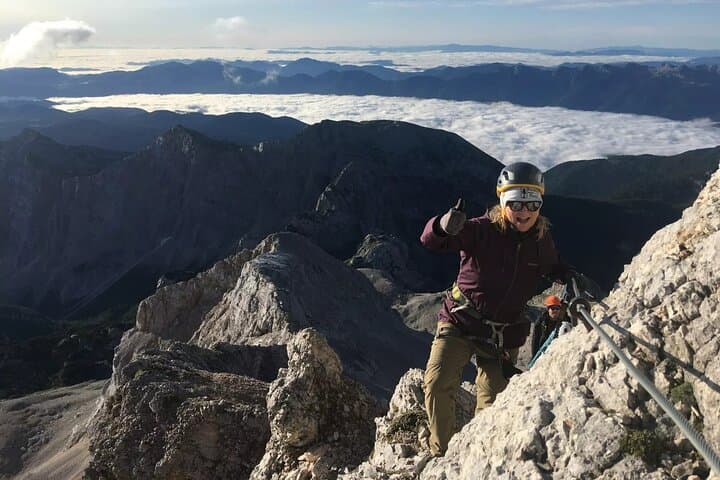
The itinerary is straightforward: a guided ascent from a parking point reached by transfer from Bled, about 4–5 hours round-trip for most groups. Expect forested switchbacks giving way to open slopes and a final rocky crest with sweeping views of Triglav and the Škrlatica peaks. Wildlife is subtle — chamois or an alpine marmot might peek from scree — while weather can change fast, so timing and kit matter.
Practical guidance: wear sturdy hiking boots and layer for wind at the summit, carry 1–2 liters of water, and bring a light rain shell. Aim for a morning start to avoid afternoon storms and to catch the clearest vistas. The guide-led format and included transfer make this a good introductory high-alpine experience for hikers with basic fitness who want the Alpine highlands without committing to technical mountaineering.
moderate.
4–5 hours.
Suitable for hikers with basic fitness: comfortable walking uphill for several hours and descending on uneven terrain.
Yes — the tour includes a professional guide who leads the route and manages group safety.
Pickup is provided from Bled (meeting point depends on booking and is confirmed by the operator).
No technical experience is required; the route is non-technical but involves sustained uphill hiking and uneven ground.
Hiking shoes and personal gear are not included — participants should bring their own boots and suitable clothing.
The Bohinj and Triglav area has longstanding alpine shepherding traditions and was shaped by glacial carving in the last Ice Age.
Triglav National Park encourages Leave No Trace practices; stay on marked trails to protect fragile alpine vegetation and breeding wildlife.
Triglav Tours operates guided outdoor trips and adventures with an emphasis on safety, stewardship, and memorable experiences.
You step out of the transfer van with the first ridges of Triglav National Park cutting the sky — a sharp, clean line of limestone and forest. The trail rises in a steady rhythm; stones click under boots, and the spruce and dwarf pines breathe cool, resin-scented air that seems to push you higher.
You step out of the transfer van with the first ridges of Triglav National Park cutting the sky — a sharp, clean line of limestone and forest. The trail rises in a steady rhythm; stones click under boots, and the spruce and dwarf pines breathe cool, resin-scented air that seems to push you higher.
Viševnik (2,050 m) sits above the Bohinj valley and offers panoramic windows onto the Julian Alps and the deep blue of nearby lakes. Geologically the area is mostly Mesozoic limestone, carved into steep faces and grassy bowls by glacial action during the last ice age. Culturally, this region bears shepherding and alpine-farming traditions; simple mountain huts and pasture fences still mark routes used for generations.
The itinerary is straightforward: a guided ascent from a parking point reached by transfer from Bled, about 4–5 hours round-trip for most groups. Expect forested switchbacks giving way to open slopes and a final rocky crest with sweeping views of Triglav and the Škrlatica peaks. Wildlife is subtle — chamois or an alpine marmot might peek from scree — while weather can change fast, so timing and kit matter.
Practical guidance: wear sturdy hiking boots and layer for wind at the summit, carry 1–2 liters of water, and bring a light rain shell. Aim for a morning start to avoid afternoon storms and to catch the clearest vistas. The guide-led format and included transfer make this a good introductory high-alpine experience for hikers with basic fitness who want the Alpine highlands without committing to technical mountaineering.