THE ADVENTURE COLLECTIVE® · Independent discovery and booking for outdoor travel

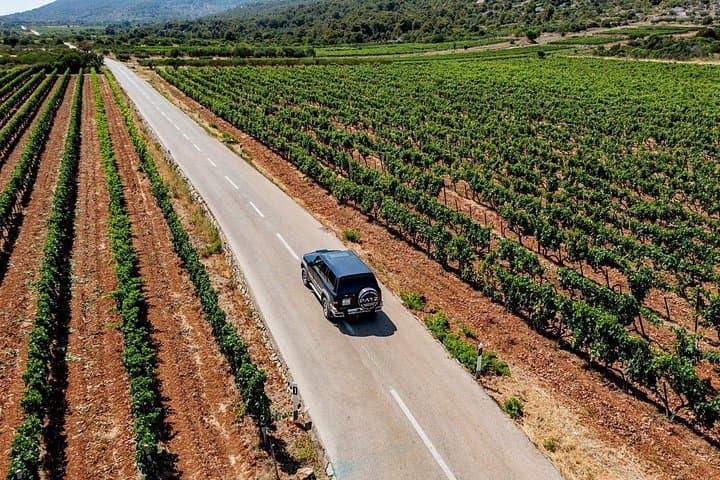
Walk through Vis’s cold war past on a three-hour small-group tour of Fort George and the island’s submarine tunnels. Expect off-road driving, short steep walks and dramatic Adriatic views.
Walk through Vis’s cold war past on a three-hour small-group tour of Fort George and the island’s submarine tunnels. Expect off-road driving, short steep walks and dramatic Adriatic views.
You step off the jeep into a hush—cool air that smells faintly of salt and stone pushes back against the Dalmatian sun. Above, Fort George perches on a limestone bluff; below, concrete mouths of cold war tunnels gape into the rock. For three hours this compact tour threads between coastal panoramas and the island’s hidden bunkers, where dim corridors keep the memory of a restricted past alive.
Verified experiences and guided adventures in the surrounding area.
Operated by Paiz Travel · Vis, Split-Dalmatia County
You step off the jeep into a hush—cool air that smells faintly of salt and stone pushes back against the Dalmatian sun. Above, Fort George perches on a limestone bluff; below, concrete mouths of cold war tunnels gape into the rock. For three hours this compact tour threads between coastal panoramas and the island’s hidden bunkers, where dim corridors keep the memory of a restricted past alive.
Vis spent much of the 20th century closed to foreign visitors as a strategic Yugoslav naval base; its abandoned military architecture and so-called “submarine tunnel” are physical stories of that era. Geologically, the island is classic karst—limestone ridges, scrub-covered slopes and abrupt cliffs that frame wide Adriatic views. Local culture still leans on fishing and small-scale agriculture; a stop at the high point offers not only Komiža’s red roofs but a sense of islands shaped by sea trade and defense.
Expect a pragmatic mix of off-road driving and short, sometimes steep walks. The guide leads small groups (max six), explaining tunnel functions, pointing out artillery positions and opening up vistas few visitors see. Wear sturdy shoes for uneven metal stairs and slick concrete, and bring sun protection for exposed overlooks. The route is suitable for most fitness levels but isn’t recommended for people with spinal or serious heart conditions; infants under six are discouraged.
This is a museum without glass—history you can walk into, framed by wind and sea. Time your visit for morning light to avoid heat and to make the most of the island’s layered views.
easy.
3 hours.
General good health and mobility for short hikes and stairs; not strenuous but requires basic balance and stair-climbing ability.
The experience runs about three hours, including driving between sites and short guided walks at each stop.
Children under six are not recommended; older kids can join but should be able to manage stairs and tight spaces.
No special fitness is required, but participants should be comfortable climbing stairs and walking on uneven surfaces.
Yes—photography is allowed, but bring a small light source for darker chambers and respect any restricted areas the guide indicates.
Vis was a closed military base through much of the 20th century; its bunkers and tunnels are relics of Yugoslav coastal defense strategy during the cold war.
Stick to marked routes and avoid touching fragile concrete or metal fixtures; the island’s karst vegetation and nesting seabirds are sensitive to disturbance.
Paiz Travel operates guided outdoor trips and adventures with an emphasis on safety, stewardship, and memorable experiences.
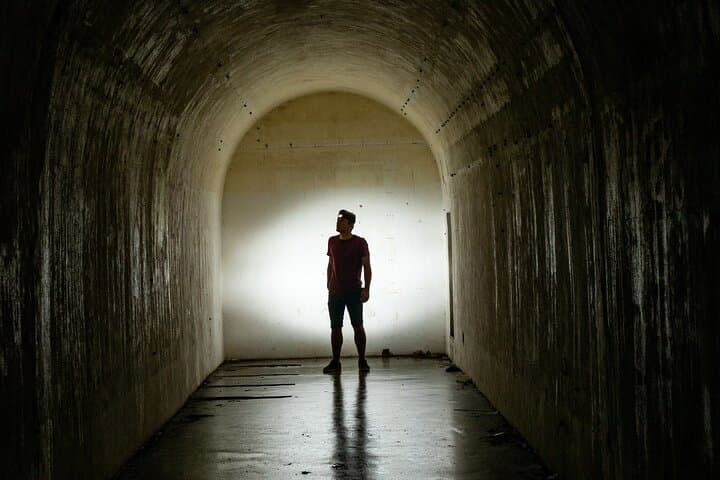
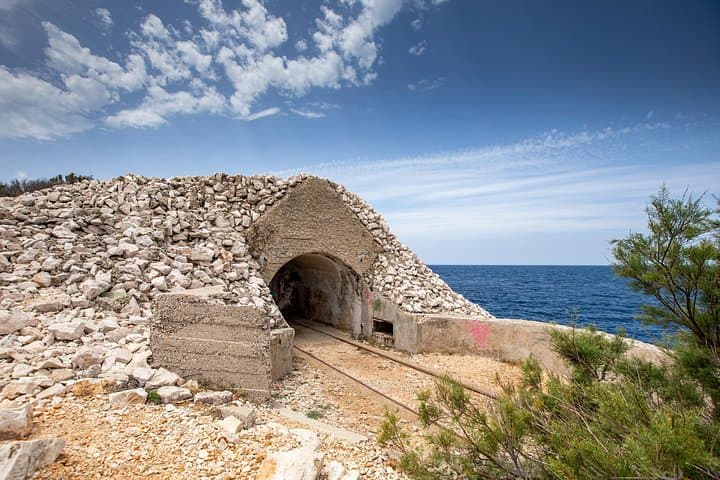
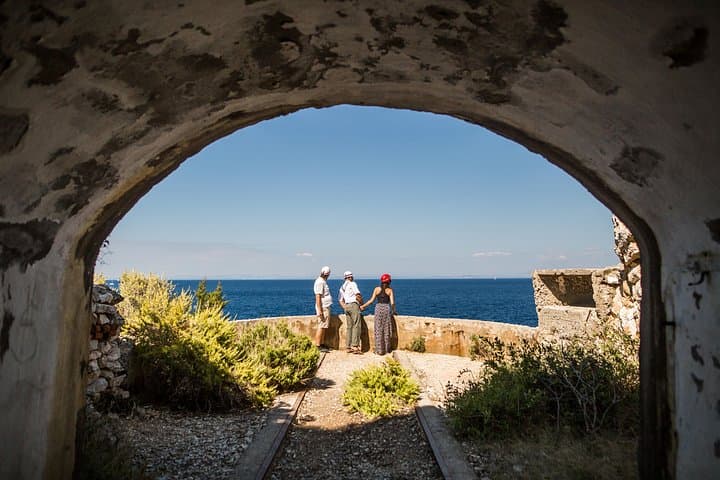
You step off the jeep into a hush—cool air that smells faintly of salt and stone pushes back against the Dalmatian sun. Above, Fort George perches on a limestone bluff; below, concrete mouths of cold war tunnels gape into the rock. For three hours this compact tour threads between coastal panoramas and the island’s hidden bunkers, where dim corridors keep the memory of a restricted past alive.
You step off the jeep into a hush—cool air that smells faintly of salt and stone pushes back against the Dalmatian sun. Above, Fort George perches on a limestone bluff; below, concrete mouths of cold war tunnels gape into the rock. For three hours this compact tour threads between coastal panoramas and the island’s hidden bunkers, where dim corridors keep the memory of a restricted past alive.
Vis spent much of the 20th century closed to foreign visitors as a strategic Yugoslav naval base; its abandoned military architecture and so-called “submarine tunnel” are physical stories of that era. Geologically, the island is classic karst—limestone ridges, scrub-covered slopes and abrupt cliffs that frame wide Adriatic views. Local culture still leans on fishing and small-scale agriculture; a stop at the high point offers not only Komiža’s red roofs but a sense of islands shaped by sea trade and defense.
Expect a pragmatic mix of off-road driving and short, sometimes steep walks. The guide leads small groups (max six), explaining tunnel functions, pointing out artillery positions and opening up vistas few visitors see. Wear sturdy shoes for uneven metal stairs and slick concrete, and bring sun protection for exposed overlooks. The route is suitable for most fitness levels but isn’t recommended for people with spinal or serious heart conditions; infants under six are discouraged.
This is a museum without glass—history you can walk into, framed by wind and sea. Time your visit for morning light to avoid heat and to make the most of the island’s layered views.