THE ADVENTURE COLLECTIVE® · Independent discovery and booking for outdoor travel

Join a guided, 60-minute virtual walk through Pompeii’s streets and homes, narrated by a local expert. Perfect for history lovers planning future travel or anyone wanting a focused primer on the eruption, archaeology, and daily Roman life.
Join a guided, 60-minute virtual walk through Pompeii’s streets and homes, narrated by a local expert. Perfect for history lovers planning future travel or anyone wanting a focused primer on the eruption, archaeology, and daily Roman life.
Close your laptop and imagine stepping onto a sun-warmed street where the air still remembers the day Mount Vesuvius rose. The virtual guide opens the map and transports you between plaster casts of residents, the forum’s cracked marble, and frescoed house interiors — all narrated with local detail and archaeological context.
Verified experiences and guided adventures in the surrounding area.
Operated by Linda Guadagnuolo · Pompeii, Campania
Close your laptop and imagine stepping onto a sun-warmed street where the air still remembers the day Mount Vesuvius rose. The virtual guide opens the map and transports you between plaster casts of residents, the forum’s cracked marble, and frescoed house interiors — all narrated with local detail and archaeological context.
Pompeii’s story is geological and human: in 79 AD the volcano’s pyroclastic surge buried a thriving Roman town, sealing buildings, shops, and bodies in ash that would preserve a moment in time. The ruins reveal urban design, bakeries with ovens, amphitheaters built for spectacle, and intricate wall paintings that survived beneath the ash. Guides typically explain excavation history from the 18th century onward and how modern conservation balances visitor access with fragile archaeology.
Culturally, the site reflects Roman daily life — markets, baths, and public temples — and offers insight into trade networks that connected Campania to the wider empire. Geology lessons often frame Vesuvius as an active neighbor whose eruptions shaped the coastline and population patterns.
Practical guidance: sessions run about 60 minutes, often limited to small groups for Q&A; check Europe/Rome timing. Use headphones for narration, a stable internet connection for high-resolution images, and have a map or notebook handy to mark sights you want to research later. Accessibility is generally good for this virtual format, and many guides point out quieter corners and lesser-known houses you can use as follow-ups for an in-person visit. This virtual experience is ideal for travelers planning future field visits or anyone wanting an informed, paced introduction to one of antiquity’s most compelling archaeological sites.
easy.
60 minutes.
No physical fitness required; suitable for all mobility levels
The tour lasts approximately 60 minutes and includes time for guided commentary and limited Q&A.
This product is offered as a live virtual guided tour led by a local expert; confirmation is manual so format may be specified at booking.
Yes — the virtual format is wheelchair-friendly and suitable for participants unable to join an in-person visit.
Full refund is available if you cancel at least 24 hours before the scheduled departure time according to the listed policy.
Pompeii was a prosperous Roman town whose sudden burial in 79 AD preserved an unusually detailed record of daily Roman urban life.
Ongoing conservation balances public access with fragile remains; virtual experiences reduce foot traffic and help protect exposed frescoes and pavements.
Linda Guadagnuolo operates guided outdoor trips and adventures with an emphasis on safety, stewardship, and memorable experiences.
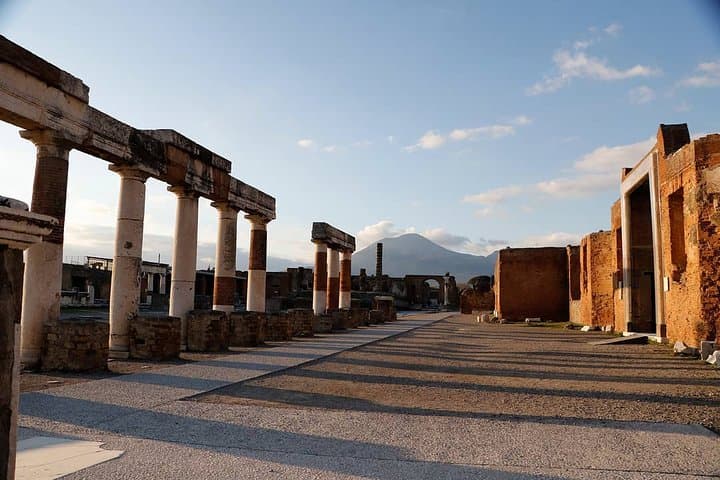
Close your laptop and imagine stepping onto a sun-warmed street where the air still remembers the day Mount Vesuvius rose. The virtual guide opens the map and transports you between plaster casts of residents, the forum’s cracked marble, and frescoed house interiors — all narrated with local detail and archaeological context.
Close your laptop and imagine stepping onto a sun-warmed street where the air still remembers the day Mount Vesuvius rose. The virtual guide opens the map and transports you between plaster casts of residents, the forum’s cracked marble, and frescoed house interiors — all narrated with local detail and archaeological context.
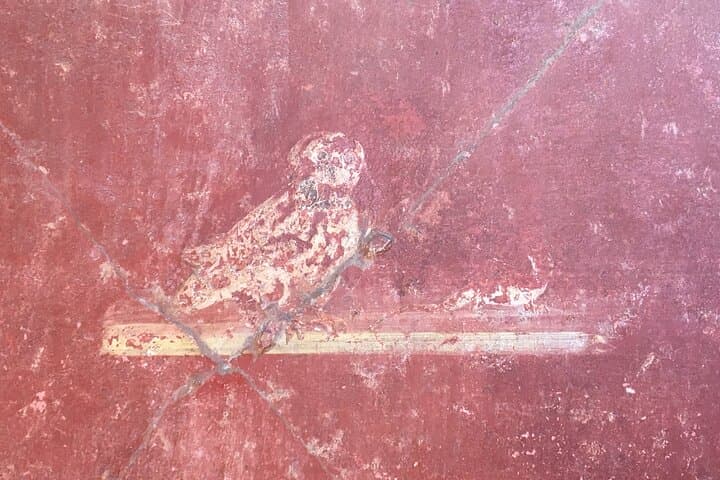
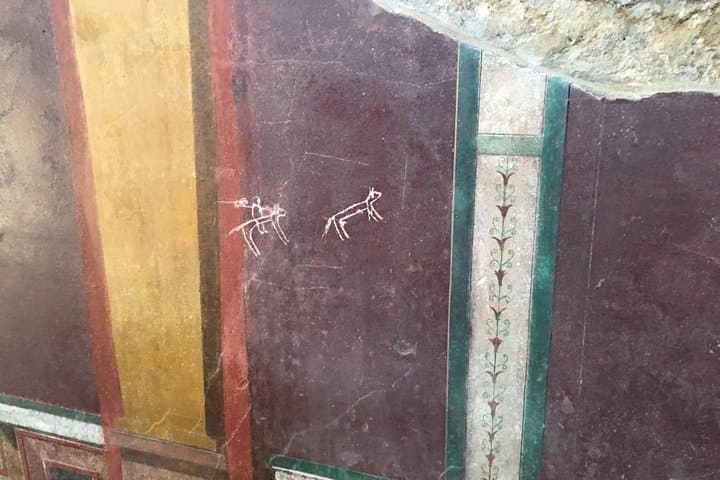
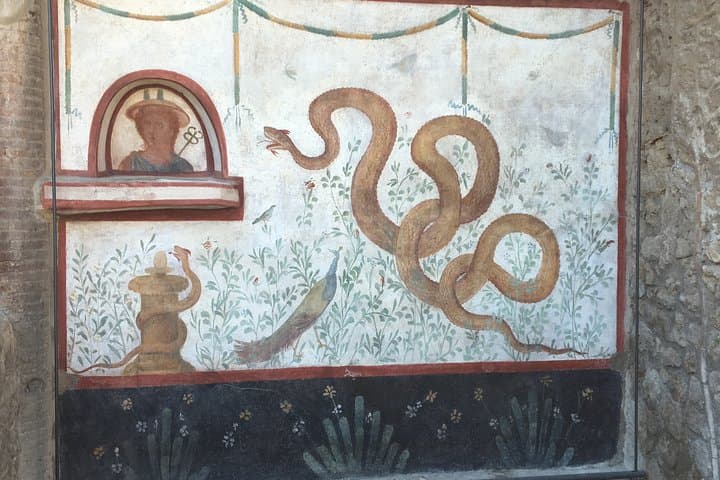
Pompeii’s story is geological and human: in 79 AD the volcano’s pyroclastic surge buried a thriving Roman town, sealing buildings, shops, and bodies in ash that would preserve a moment in time. The ruins reveal urban design, bakeries with ovens, amphitheaters built for spectacle, and intricate wall paintings that survived beneath the ash. Guides typically explain excavation history from the 18th century onward and how modern conservation balances visitor access with fragile archaeology.
Culturally, the site reflects Roman daily life — markets, baths, and public temples — and offers insight into trade networks that connected Campania to the wider empire. Geology lessons often frame Vesuvius as an active neighbor whose eruptions shaped the coastline and population patterns.
Practical guidance: sessions run about 60 minutes, often limited to small groups for Q&A; check Europe/Rome timing. Use headphones for narration, a stable internet connection for high-resolution images, and have a map or notebook handy to mark sights you want to research later. Accessibility is generally good for this virtual format, and many guides point out quieter corners and lesser-known houses you can use as follow-ups for an in-person visit. This virtual experience is ideal for travelers planning future field visits or anyone wanting an informed, paced introduction to one of antiquity’s most compelling archaeological sites.