THE ADVENTURE COLLECTIVE® · Independent discovery and booking for outdoor travel

Spend a half-day driving through Virginia hills where vineyards rise slowly and wines develop concentrated character. This private tour combines cellar visits, local history tied to early American leaders, and tasting notes on region-specific varieties.
Spend a half-day driving through Virginia hills where vineyards rise slowly and wines develop concentrated character. This private tour combines cellar visits, local history tied to early American leaders, and tasting notes on region-specific varieties.
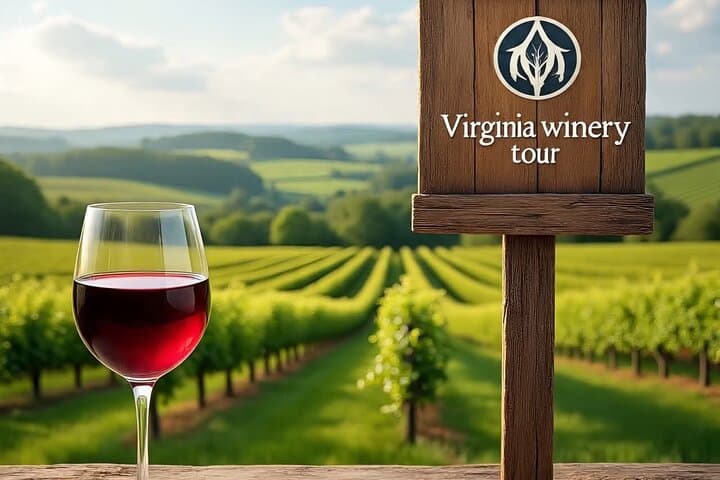
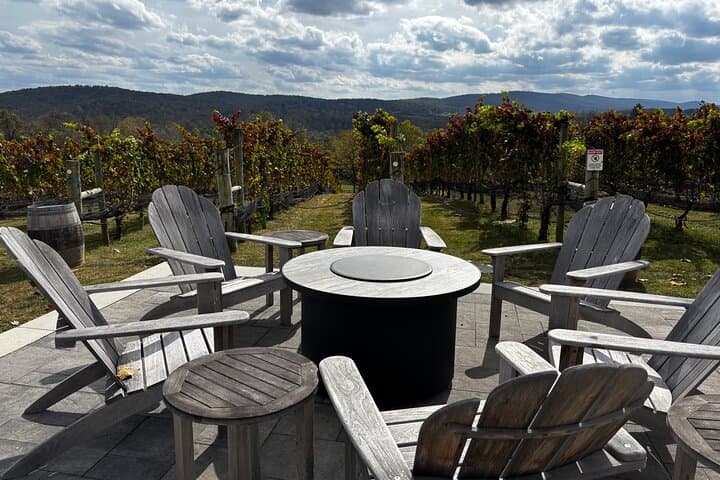
The bus eases up a country lane and the view opens: rows of vines slope across low hills, weathered stone walls marking old fields while a distant ridge cuts the horizon. Cool air carries the faint tang of crushed grape skins and grass; a tasting room door opens to oak barrels and conversation. This is Virginia a short drive from Washington, D.C.—vineyards that mature at an eastern pace where soils and season slow the sugar and sharpen the acid.
Verified experiences and guided adventures in the surrounding area.
Operated by Ladysmith Tours · Manassas, Virginia
The bus eases up a country lane and the view opens: rows of vines slope across low hills, weathered stone walls marking old fields while a distant ridge cuts the horizon. Cool air carries the faint tang of crushed grape skins and grass; a tasting room door opens to oak barrels and conversation. This is Virginia a short drive from Washington, D.C.—vineyards that mature at an eastern pace where soils and season slow the sugar and sharpen the acid.
Those hills map onto American history: the same ground farmed and grazed by the generation of presidents born in Virginia. Geologically, the region sits on Piedmont bedrock—weathered igneous and metamorphic outcrops with clay-loam pockets that stress vines and concentrate flavor. Culturally the scene blends family-run operations and newer, award-winning estates; many producers are experimenting with varieties like Viognier, Petit Verdot and even Bordeaux reds suited to the cooler growing season.
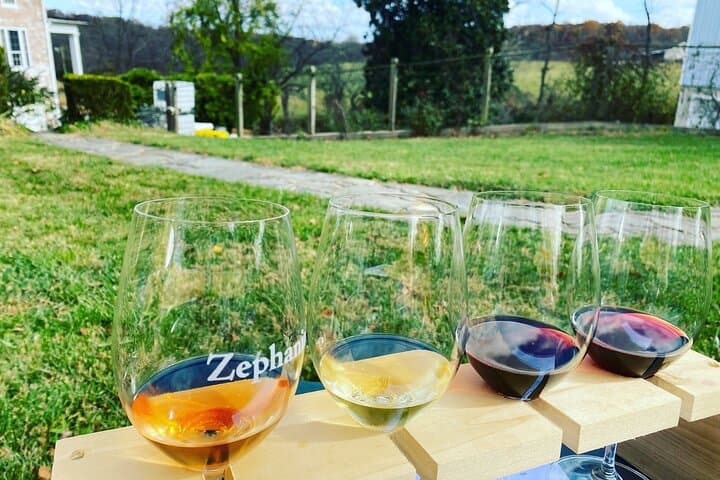
On a half-day tour you’ll visit several tasting rooms, learn basic vinification steps, and sample cellar-limited bottlings; local guides often point out vineyard practices and varietal choices. Practical notes: tours run 4–6 hours with several short walks on gravel or grass; book tastings in advance, bring government-issued ID, and plan for a designated driver or shuttle. Dress in layers for sun and sudden breeze; sip slowly—the pours are meant for tasting, not finishing. Early fall and late spring give the best grape-to-glass context, while winter visits show the dormant structure of the vines. The trip mixes easygoing scenery, a few short walks, and a direct taste of Virginia’s evolving wine story.
easy.
4–6 hours.
Suitable for most fitness levels; expect several short, easy walks on uneven ground and periods of standing.
Most tours include guided tastings at selected wineries, but confirm whether any tasting fees or bottle purchases are extra before booking.
Operators commonly offer pickup within a specified radius—confirm pickup points and timing when you book to avoid last-minute changes.
Children can typically ride in the vehicle but cannot participate in tastings; check the operator’s policy on child passengers and seating.
This tour typically requires cancellation at least 24 hours in advance for a full refund; check the specific booking terms for exceptions.
Many vineyards occupy land farmed since colonial times; several estates trace ownership or agricultural use to early American families.
Regional growers increasingly use sustainable viticulture practices—cover crops, limited irrigation, and integrated pest management—to protect soil and local waterways.
Ladysmith Tours operates guided outdoor trips and adventures with an emphasis on safety, stewardship, and memorable experiences.

The bus eases up a country lane and the view opens: rows of vines slope across low hills, weathered stone walls marking old fields while a distant ridge cuts the horizon. Cool air carries the faint tang of crushed grape skins and grass; a tasting room door opens to oak barrels and conversation. This is Virginia a short drive from Washington, D.C.—vineyards that mature at an eastern pace where soils and season slow the sugar and sharpen the acid.
The bus eases up a country lane and the view opens: rows of vines slope across low hills, weathered stone walls marking old fields while a distant ridge cuts the horizon. Cool air carries the faint tang of crushed grape skins and grass; a tasting room door opens to oak barrels and conversation. This is Virginia a short drive from Washington, D.C.—vineyards that mature at an eastern pace where soils and season slow the sugar and sharpen the acid.
Those hills map onto American history: the same ground farmed and grazed by the generation of presidents born in Virginia. Geologically, the region sits on Piedmont bedrock—weathered igneous and metamorphic outcrops with clay-loam pockets that stress vines and concentrate flavor. Culturally the scene blends family-run operations and newer, award-winning estates; many producers are experimenting with varieties like Viognier, Petit Verdot and even Bordeaux reds suited to the cooler growing season.
On a half-day tour you’ll visit several tasting rooms, learn basic vinification steps, and sample cellar-limited bottlings; local guides often point out vineyard practices and varietal choices. Practical notes: tours run 4–6 hours with several short walks on gravel or grass; book tastings in advance, bring government-issued ID, and plan for a designated driver or shuttle. Dress in layers for sun and sudden breeze; sip slowly—the pours are meant for tasting, not finishing. Early fall and late spring give the best grape-to-glass context, while winter visits show the dormant structure of the vines. The trip mixes easygoing scenery, a few short walks, and a direct taste of Virginia’s evolving wine story.