THE ADVENTURE COLLECTIVE® · Independent discovery and booking for outdoor travel

A private full‑day exploration of the Sacred Valley that pairs major Inca sites with living textile traditions. Ideal for travelers who want easy on‑foot access to terraces, a hilltop fortress and a colonial textile town.
A private full‑day exploration of the Sacred Valley that pairs major Inca sites with living textile traditions. Ideal for travelers who want easy on‑foot access to terraces, a hilltop fortress and a colonial textile town.
The bus peels away from Cusco at first light and the valley opens like a page—rivers cutting bright lines, terraces stepping down the slopes, and stone towns that still move at Inca pace.
Verified experiences and guided adventures in the surrounding area.
Operated by Mi Guia Machupicchu · Ollantaytambo, Cusco Region
The bus peels away from Cusco at first light and the valley opens like a page—rivers cutting bright lines, terraces stepping down the slopes, and stone towns that still move at Inca pace.
This private, full‑day Sacred Valley tour visits the region’s major Inca centers—agricultural terraces that harness mountain microclimates, a riverside fortress that once controlled the route to Machu Picchu, and a textile town where weaving traditions continue. Geologically the valley is a glacial-carved corridor between the high Andes, with steep canyon walls and alluvial soils that made it the empire’s breadbasket. Culturally the sites show both pre-Columbian engineering—terraces, irrigation and roads—and colonial overlays such as stone churches and plazas.
Expect guided walks of 30–60 minutes at each stop: broad terrace sweeps, narrow stone stairways up to hilltop fortresses, and market streets where fiber and dyeing techniques are demonstrated. The route is largely road-based with short on-foot explorations; altitude is a factor (Cusco ~3,400 m), so pacing and hydration matter. Photography is excellent in the morning light; afternoons can bring cloud build-up in the wet season.
Practical notes: this private tour includes hotel pickup, entrance fees and a professional guide. Wear broken-in hiking shoes for cobbled streets, bring layers for temperature swings, and carry water and sunscreen. Leave extra time in your itinerary if you plan to continue to Ollantaytambo station for the Aguas Calientes train to Machu Picchu.
moderate.
6–8 hours.
Suitable for most travelers who can walk short uphill sections; light cardio and balance help for cobbled stairs.
The private tour runs about 6–8 hours and typically includes hotel pickup, private transport, entrance fees and a professional guide.
There is minimal driving between sites but each stop involves uneven ground and stairs; portions can be challenging for limited mobility—contact the operator about options.
Yes—one stop is a textile town where demonstrations and market shopping are common; bring small bills for purchases.
Cusco and the Sacred Valley sit near 3,000–3,400 m—mild altitude effects are common; acclimatize in Cusco, hydrate, and avoid heavy exertion on your first day.
The Sacred Valley was the Inca Empire’s agricultural heart, chosen for microclimates and irrigation; its roads linked administrative centers to Machu Picchu.
Tourism pressure can erode trails and strain water resources—stick to paths, support local guides and purchase directly from artisans to keep revenue local.
Mi Guia Machupicchu operates guided outdoor trips and adventures with an emphasis on safety, stewardship, and memorable experiences.
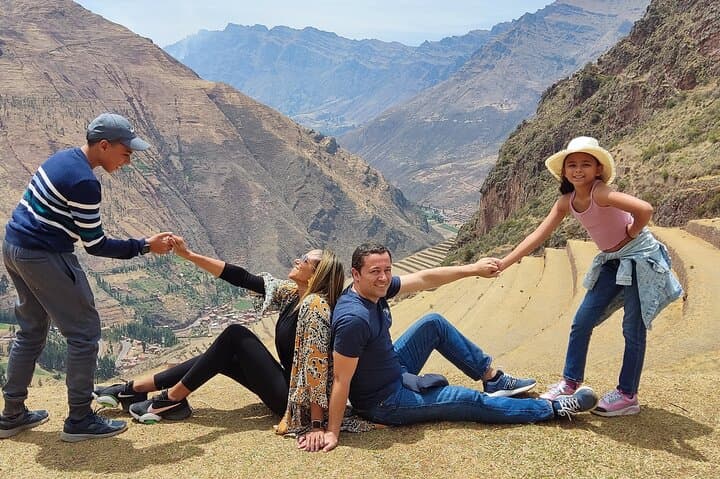
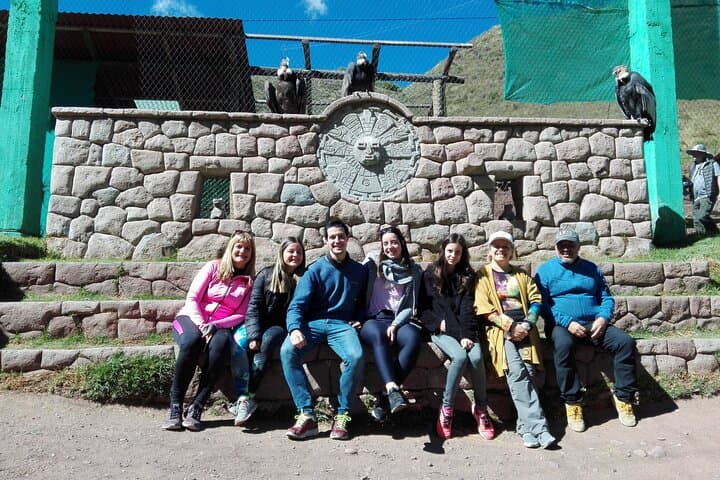
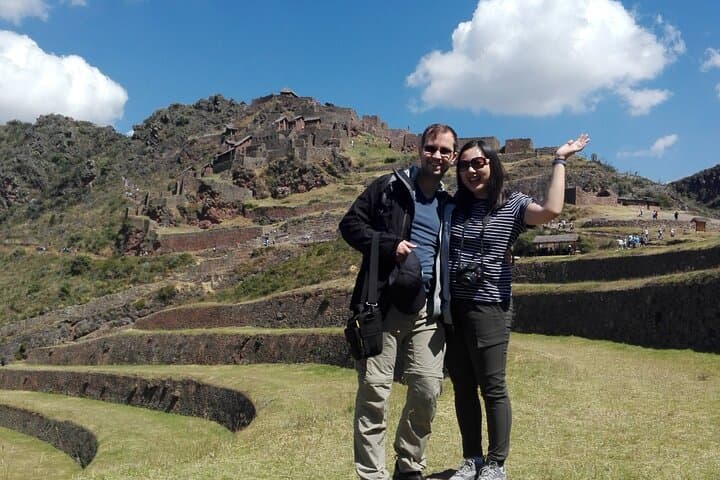
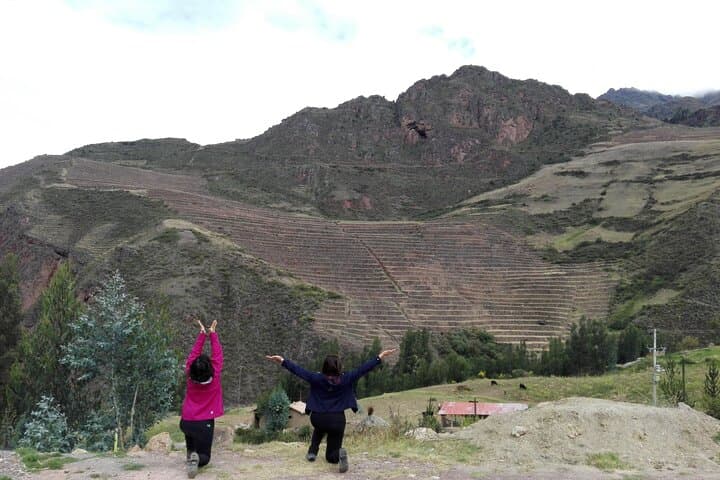
The bus peels away from Cusco at first light and the valley opens like a page—rivers cutting bright lines, terraces stepping down the slopes, and stone towns that still move at Inca pace.
The bus peels away from Cusco at first light and the valley opens like a page—rivers cutting bright lines, terraces stepping down the slopes, and stone towns that still move at Inca pace.
This private, full‑day Sacred Valley tour visits the region’s major Inca centers—agricultural terraces that harness mountain microclimates, a riverside fortress that once controlled the route to Machu Picchu, and a textile town where weaving traditions continue. Geologically the valley is a glacial-carved corridor between the high Andes, with steep canyon walls and alluvial soils that made it the empire’s breadbasket. Culturally the sites show both pre-Columbian engineering—terraces, irrigation and roads—and colonial overlays such as stone churches and plazas.
Expect guided walks of 30–60 minutes at each stop: broad terrace sweeps, narrow stone stairways up to hilltop fortresses, and market streets where fiber and dyeing techniques are demonstrated. The route is largely road-based with short on-foot explorations; altitude is a factor (Cusco ~3,400 m), so pacing and hydration matter. Photography is excellent in the morning light; afternoons can bring cloud build-up in the wet season.
Practical notes: this private tour includes hotel pickup, entrance fees and a professional guide. Wear broken-in hiking shoes for cobbled streets, bring layers for temperature swings, and carry water and sunscreen. Leave extra time in your itinerary if you plan to continue to Ollantaytambo station for the Aguas Calientes train to Machu Picchu.