THE ADVENTURE COLLECTIVE® · Independent discovery and booking for outdoor travel

Spend a focused day in the Sacred Valley visiting Moray’s circular agricultural terraces, the salt pans of Maras, and the living stone town of Ollantaytambo. This VIP day trip from Cusco mixes archaeology, local markets, and striking Andean landscapes with comfortable transport and a buffet lunch.
Spend a focused day in the Sacred Valley visiting Moray’s circular agricultural terraces, the salt pans of Maras, and the living stone town of Ollantaytambo. This VIP day trip from Cusco mixes archaeology, local markets, and striking Andean landscapes with comfortable transport and a buffet lunch.
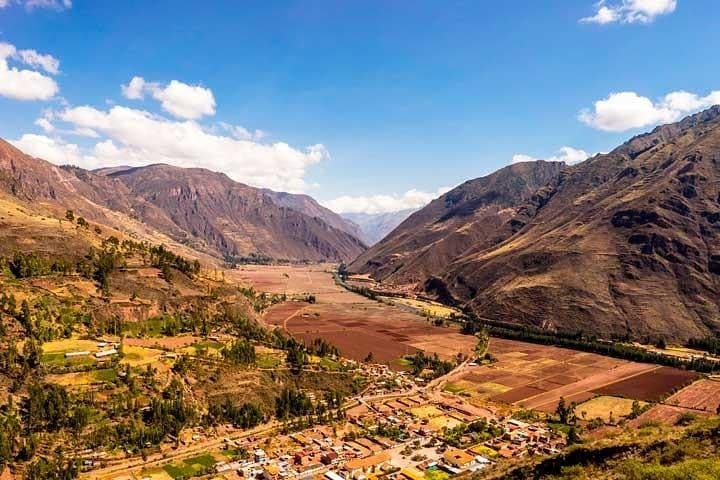
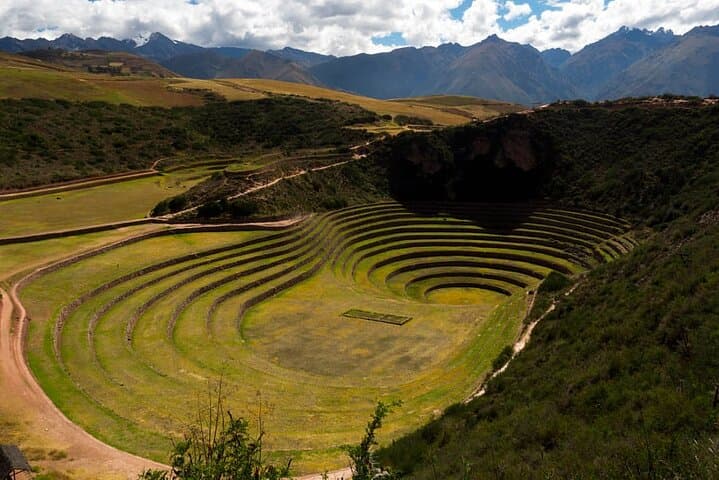
You step out of Cusco’s thin air into a landscape that opens like a map folded and refolded by time—rock ridges pointing toward the Andes, terraces stacked along slopes, and the high plain breathing cooler, dryer air. The van hums along the Urubamba corridor; small villages slide past, bright textiles flapping on market stalls. By midmorning you arrive at Moray: concentric agricultural circles cut into the earth, each level holding a different microclimate that once invited Inca agricultural experiments. The terraces seem to watch you back, their stone lips keeping centuries of soil.
Verified experiences and guided adventures in the surrounding area.
Operated by Machu Picchu Road Trip · Cusco, Cusco
You step out of Cusco’s thin air into a landscape that opens like a map folded and refolded by time—rock ridges pointing toward the Andes, terraces stacked along slopes, and the high plain breathing cooler, dryer air. The van hums along the Urubamba corridor; small villages slide past, bright textiles flapping on market stalls. By midmorning you arrive at Moray: concentric agricultural circles cut into the earth, each level holding a different microclimate that once invited Inca agricultural experiments. The terraces seem to watch you back, their stone lips keeping centuries of soil.
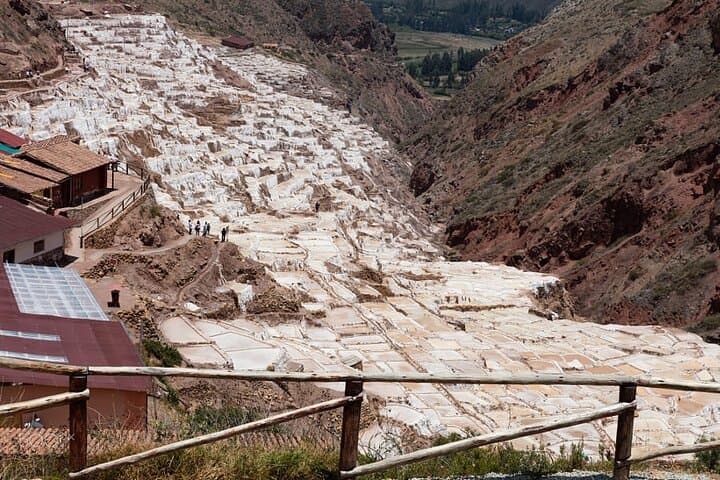
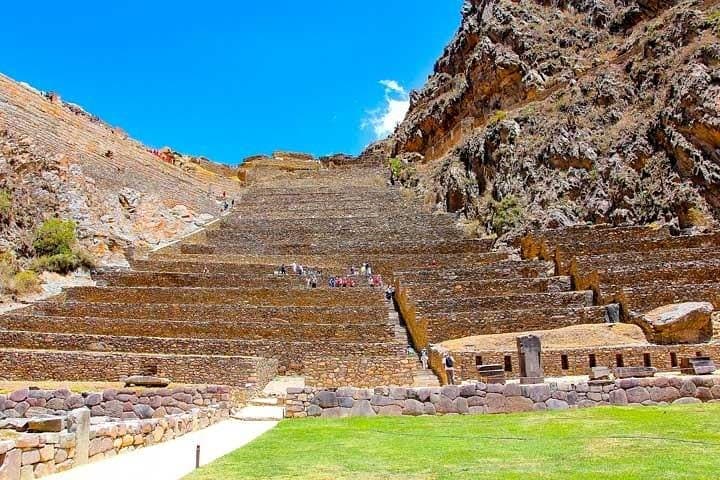
From Moray the road drops toward Maras, where salt pans glitter like a patchwork of miniature ponds. These thousands of shallow pools collect mineral-rich water from a subterranean spring; sunlight and local know-how do the rest. Later, Ollantaytambo’s living Inca streets and massive stone walls demonstrate imperial planning, while Pisac’s market and ruins show a different face of the valley—trade, textile craft, and defensive terraces overlooking the river.
Geology here shows folded sedimentary layers lifted by Andean uplift; culture layers stack even thicker. Local communities still weave, trade, and steward terraces and salt pans using techniques passed down generations.
Practical guidance: this full-day VIP tour lasts about 11 hours and covers widely varying terrain—packed dirt, stone steps, and uneven ruins—at elevations roughly between ~2,700–3,500 m. Wear sturdy shoes, dress in layers for sun and wind, hydrate before and during the day, and plan for sun protection. Cameras, cash for markets, and patience for altitude adjustments will make the day smoother. Expect moderate walking with many photo stops and a culturally rich, efficiently paced itinerary.
easy.
10–11 hours.
Suitable for most fitness levels but expect repeated short walks on uneven ground and the effects of 2,700–3,500 m elevation; those with respiratory or cardiac issues should consult a doctor.
This VIP Sacred Valley tour is a full-day excursion—approximately 11 hours—typically starting early morning from Cusco with return in the evening.
The tour is labeled suitable for all fitness levels, but altitude can affect anyone; spend a day in Cusco beforehand, bring meds if prescribed, and inform the operator of concerns.
Tour inclusions vary; this itinerary lists guide service, buffet lunch, and transport—confirm whether individual archaeological site entries are covered when booking.
Yes—Pisac’s artisan market is a major stop with textiles and crafts; bring local currency and be prepared to haggle politely with vendors.
The Sacred Valley was central to Inca agricultural innovation and administration; sites like Moray served as experimental terraces while towns such as Ollantaytambo functioned as strategic administrative centers.
Local communities balance tourism with traditional land use; stick to marked paths, avoid buying products from endangered animal materials, and support community-run cooperatives to ensure benefits remain local.
Machu Picchu Road Trip operates guided outdoor trips and adventures with an emphasis on safety, stewardship, and memorable experiences.
You step out of Cusco’s thin air into a landscape that opens like a map folded and refolded by time—rock ridges pointing toward the Andes, terraces stacked along slopes, and the high plain breathing cooler, dryer air. The van hums along the Urubamba corridor; small villages slide past, bright textiles flapping on market stalls. By midmorning you arrive at Moray: concentric agricultural circles cut into the earth, each level holding a different microclimate that once invited Inca agricultural experiments. The terraces seem to watch you back, their stone lips keeping centuries of soil.
You step out of Cusco’s thin air into a landscape that opens like a map folded and refolded by time—rock ridges pointing toward the Andes, terraces stacked along slopes, and the high plain breathing cooler, dryer air. The van hums along the Urubamba corridor; small villages slide past, bright textiles flapping on market stalls. By midmorning you arrive at Moray: concentric agricultural circles cut into the earth, each level holding a different microclimate that once invited Inca agricultural experiments. The terraces seem to watch you back, their stone lips keeping centuries of soil.
From Moray the road drops toward Maras, where salt pans glitter like a patchwork of miniature ponds. These thousands of shallow pools collect mineral-rich water from a subterranean spring; sunlight and local know-how do the rest. Later, Ollantaytambo’s living Inca streets and massive stone walls demonstrate imperial planning, while Pisac’s market and ruins show a different face of the valley—trade, textile craft, and defensive terraces overlooking the river.
Geology here shows folded sedimentary layers lifted by Andean uplift; culture layers stack even thicker. Local communities still weave, trade, and steward terraces and salt pans using techniques passed down generations.
Practical guidance: this full-day VIP tour lasts about 11 hours and covers widely varying terrain—packed dirt, stone steps, and uneven ruins—at elevations roughly between ~2,700–3,500 m. Wear sturdy shoes, dress in layers for sun and wind, hydrate before and during the day, and plan for sun protection. Cameras, cash for markets, and patience for altitude adjustments will make the day smoother. Expect moderate walking with many photo stops and a culturally rich, efficiently paced itinerary.