THE ADVENTURE COLLECTIVE® · Independent discovery and booking for outdoor travel

Cover the Sacred Valley’s biggest hits in one long, high-altitude day. Visit Chinchero, Moray, the Maras salt pans, Urubamba, Ollantaytambo and Pisac with a bilingual guide and buffet lunch in Urubamba.
Cover the Sacred Valley’s biggest hits in one long, high-altitude day. Visit Chinchero, Moray, the Maras salt pans, Urubamba, Ollantaytambo and Pisac with a bilingual guide and buffet lunch in Urubamba.
You step out of Cusco’s narrow streets into high, thin air—the road unspools toward a valley that once fed an empire. The van climbs through puna grass and brusque wind; at Chinchero stone walls rise with a quiet, human precision and the distant crest of Salkantay pins snow to the horizon. Local women move through town in woven shawls, dye pots steaming like small altars to color.
Verified experiences and guided adventures in the surrounding area.
Operated by Trips Cusco Peru E.I.R.L. · Urubamba, Cusco
You step out of Cusco’s narrow streets into high, thin air—the road unspools toward a valley that once fed an empire. The van climbs through puna grass and brusque wind; at Chinchero stone walls rise with a quiet, human precision and the distant crest of Salkantay pins snow to the horizon. Local women move through town in woven shawls, dye pots steaming like small altars to color.
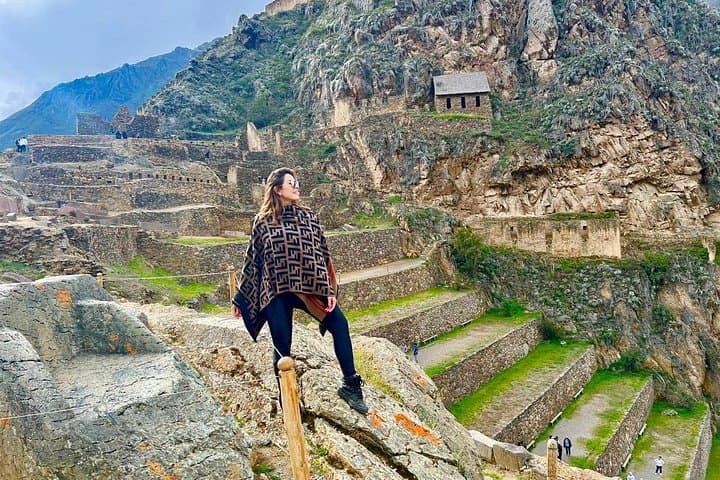
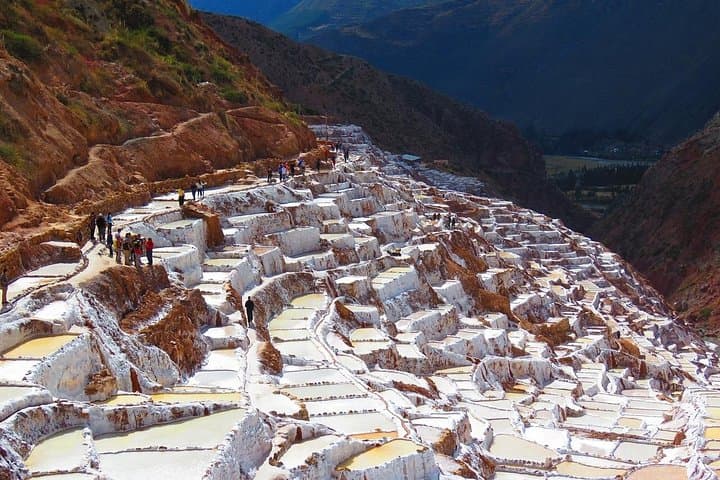
This loop through the Sacred Valley threads agriculture, engineering and faith. At Moray the Incas carved concentric terraces like a natural amphitheater, an experimental garden creating microclimates. Nearby, the terraced pans of Maras glitter with harvested salt—an Andean industry dating to pre-Columbian times. Urubamba breaks the day with a buffet and Andean melodies, then Ollantaytambo delivers ramparts hewn to hold a mountain and a village that still follows Inca urban lines. Pisac finishes with terraces and funerary towers clinging to steep slope, where the stonework’s angles speak to seismic wisdom.
Expect a long, high-altitude day—approximately 11–12 hours of transport, short walks and stair-climbs at 3,700–3,000 m. Bring sun protection, layered clothing for wind and sun, and water; pace yourself for thin air. Photography windows are frequent; follow your guide for entry logistics and local etiquette around markets and sacred sites. This VIP run-through packs the Valley’s key sites into one precise day—rich in history, geology and the practical rhythms of Andean life.
moderate.
11–12 hours.
Suitable for travelers in regular good health who can handle long days at high altitude; short, steep climbs are required.
The tour runs about 11–12 hours; most itineraries depart early morning from Cusco and return in the evening—confirm pickup time with the operator.
Major archaeological site admissions are typically included on organized tours; confirm with the operator and keep cash for any optional fees or market purchases.
The tour involves uneven paths, steep staircases and short hikes; it’s labeled easy-to-moderate but may be unsuitable for those with significant mobility limitations.
Symptoms can occur above 3,000 m—hydrate, eat lightly before the tour, avoid alcohol, and consider speaking to a doctor about acetazolamide if you have a history of severe symptoms.
The Sacred Valley was a key agricultural and ceremonial heartland for the Inca, who engineered terraces and irrigation to support Cusco’s population and ritual life.
Rising tourism puts pressure on fragile Andean soils and water systems; stick to trails, avoid taking salt from Maras, and support local guides and artisans.
Trips Cusco Peru E.I.R.L. operates guided outdoor trips and adventures with an emphasis on safety, stewardship, and memorable experiences.
You step out of Cusco’s narrow streets into high, thin air—the road unspools toward a valley that once fed an empire. The van climbs through puna grass and brusque wind; at Chinchero stone walls rise with a quiet, human precision and the distant crest of Salkantay pins snow to the horizon. Local women move through town in woven shawls, dye pots steaming like small altars to color.
You step out of Cusco’s narrow streets into high, thin air—the road unspools toward a valley that once fed an empire. The van climbs through puna grass and brusque wind; at Chinchero stone walls rise with a quiet, human precision and the distant crest of Salkantay pins snow to the horizon. Local women move through town in woven shawls, dye pots steaming like small altars to color.
This loop through the Sacred Valley threads agriculture, engineering and faith. At Moray the Incas carved concentric terraces like a natural amphitheater, an experimental garden creating microclimates. Nearby, the terraced pans of Maras glitter with harvested salt—an Andean industry dating to pre-Columbian times. Urubamba breaks the day with a buffet and Andean melodies, then Ollantaytambo delivers ramparts hewn to hold a mountain and a village that still follows Inca urban lines. Pisac finishes with terraces and funerary towers clinging to steep slope, where the stonework’s angles speak to seismic wisdom.
Expect a long, high-altitude day—approximately 11–12 hours of transport, short walks and stair-climbs at 3,700–3,000 m. Bring sun protection, layered clothing for wind and sun, and water; pace yourself for thin air. Photography windows are frequent; follow your guide for entry logistics and local etiquette around markets and sacred sites. This VIP run-through packs the Valley’s key sites into one precise day—rich in history, geology and the practical rhythms of Andean life.