THE ADVENTURE COLLECTIVE® · Independent discovery and booking for outdoor travel

Combine a private half-day exploration of the Giza pyramids and Sphinx with an evening Nile dinner cruise — all coordinated with hotel pickup. This VIP option streamlines logistics and adds inside-pyramid access for a concentrated cultural and historic experience.
Combine a private half-day exploration of the Giza pyramids and Sphinx with an evening Nile dinner cruise — all coordinated with hotel pickup. This VIP option streamlines logistics and adds inside-pyramid access for a concentrated cultural and historic experience.
At dusk the Nile slips past Cairo like a slow ribbon, and the Giza plateau stands hulking on the skyline as the city’s noise thins. A private car winds through streets lined with cafes and minarets, delivering you to a blunter landscape of sand and stone where the Great Pyramid throws a long, indifferent shadow and the Sphinx watches with a lion’s patience.
Verified experiences and guided adventures in the surrounding area.
Operated by Hesham Egypt tour guide · Giza, Giza Governorate
At dusk the Nile slips past Cairo like a slow ribbon, and the Giza plateau stands hulking on the skyline as the city’s noise thins. A private car winds through streets lined with cafes and minarets, delivering you to a blunter landscape of sand and stone where the Great Pyramid throws a long, indifferent shadow and the Sphinx watches with a lion’s patience.
Built during Egypt’s Old Kingdom roughly 4,500 years ago, the pyramids are engineered tombs of limestone and granite; the Valley Temple and associated complexes reveal how funerary function met urban logistics. The plateau’s geology — windblown sand over compacted limestone — has shaped both the monuments and how visitors move through them. Local culture remains present: guides, vendors and nightly river crews sustain rituals of hospitality and performance that link past and present.
Practical guidance: plan for a long day (6–8 hours) with several short walks across uneven surfaces and sand. Wear closed-toe shoes and sun protection; bring water and a light scarf for wind and dust. Photography is allowed at Giza; verify inside-pyramid rules and ticket inclusions. For the cruise, arrive with modest evening attire and motion-sickness remedies if you’re prone to seasickness. A private tour cuts lines and arranges hotel pickup—ideal if you want a guide who links stones, river and city.
moderate.
6–8 hours.
Suitable for most fitness levels but requires comfortable walking, negotiating short stairways and standing during tours
Inside-pyramid access depends on your ticket; this private tour advertises inside access but confirm at booking because separate entry fees or limited quotas may apply.
Expect roughly 6–8 hours total including hotel pickup, the Giza visit and a two-hour Nile dinner cruise in the evening.
Yes — the tour includes private pickup and drop-off from hotels in Cairo or Giza, coordinated with your booking details.
Smart-casual or modest evening attire is appropriate for the cruise; comfortable layers are recommended for changing temperatures on the river.
The Giza plateau hosts royal tombs from Egypt’s Fourth Dynasty; the Great Pyramid is attributed to Pharaoh Khufu and dates to c. 2560 BCE.
Preservation is ongoing; respect roped areas, avoid climbing monuments and follow guides’ instructions to minimize wear and erosion.
Hesham Egypt tour guide operates guided outdoor trips and adventures with an emphasis on safety, stewardship, and memorable experiences.
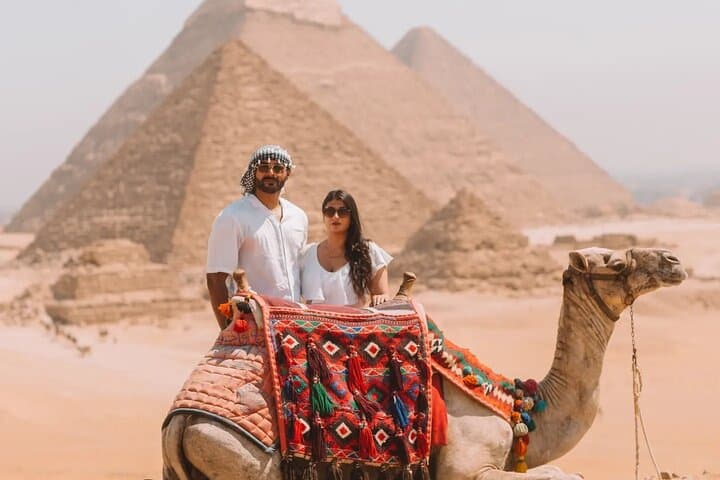
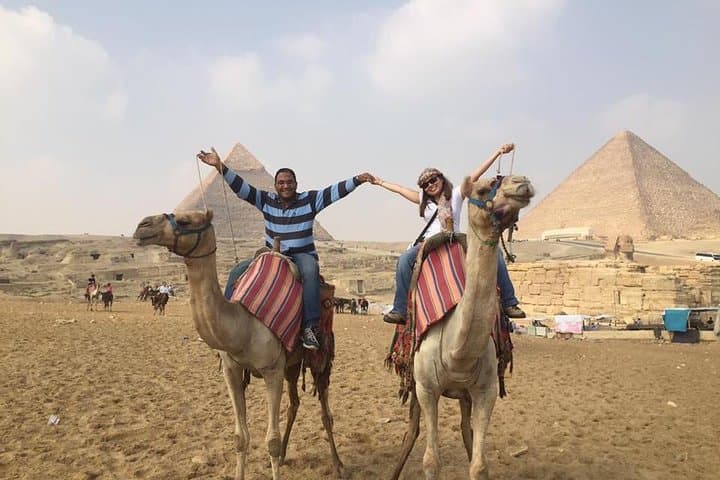
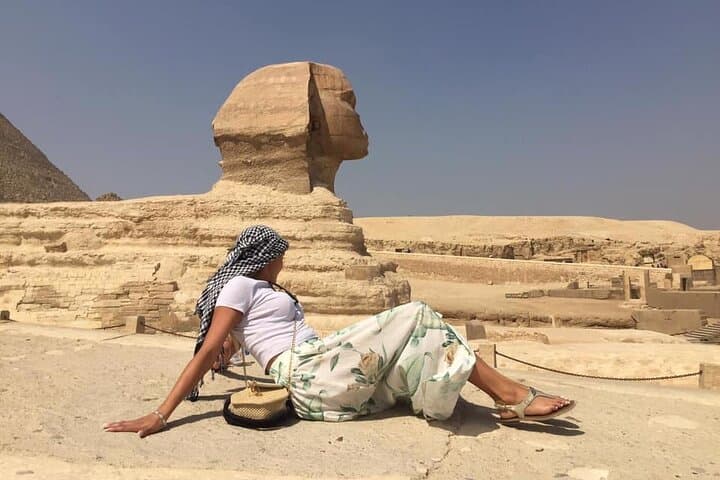

At dusk the Nile slips past Cairo like a slow ribbon, and the Giza plateau stands hulking on the skyline as the city’s noise thins. A private car winds through streets lined with cafes and minarets, delivering you to a blunter landscape of sand and stone where the Great Pyramid throws a long, indifferent shadow and the Sphinx watches with a lion’s patience.
At dusk the Nile slips past Cairo like a slow ribbon, and the Giza plateau stands hulking on the skyline as the city’s noise thins. A private car winds through streets lined with cafes and minarets, delivering you to a blunter landscape of sand and stone where the Great Pyramid throws a long, indifferent shadow and the Sphinx watches with a lion’s patience.
Built during Egypt’s Old Kingdom roughly 4,500 years ago, the pyramids are engineered tombs of limestone and granite; the Valley Temple and associated complexes reveal how funerary function met urban logistics. The plateau’s geology — windblown sand over compacted limestone — has shaped both the monuments and how visitors move through them. Local culture remains present: guides, vendors and nightly river crews sustain rituals of hospitality and performance that link past and present.
Practical guidance: plan for a long day (6–8 hours) with several short walks across uneven surfaces and sand. Wear closed-toe shoes and sun protection; bring water and a light scarf for wind and dust. Photography is allowed at Giza; verify inside-pyramid rules and ticket inclusions. For the cruise, arrive with modest evening attire and motion-sickness remedies if you’re prone to seasickness. A private tour cuts lines and arranges hotel pickup—ideal if you want a guide who links stones, river and city.