THE ADVENTURE COLLECTIVE® · Independent discovery and booking for outdoor travel

Ride from Paris to the D‑Day beaches in a private Mercedes van and spend a day walking sites that shaped modern Europe. This VIP tour blends memorials, museums and coastal views with flexible pacing and on‑the‑ground logistics taken care of.
Ride from Paris to the D‑Day beaches in a private Mercedes van and spend a day walking sites that shaped modern Europe. This VIP tour blends memorials, museums and coastal views with flexible pacing and on‑the‑ground logistics taken care of.
You step into a Mercedes V‑Class at dawn, Paris shrinking in the rearview while the Channel widens like a cold, brassy promise. The van hums; your driver keeps time and the coordinator smooths logistics—comfort that lets the coastline do the talking.
Verified experiences and guided adventures in the surrounding area.
Operated by Easy Travel Paris · Colleville-sur-Mer, Normandy
You step into a Mercedes V‑Class at dawn, Paris shrinking in the rearview while the Channel widens like a cold, brassy promise. The van hums; your driver keeps time and the coordinator smooths logistics—comfort that lets the coastline do the talking.
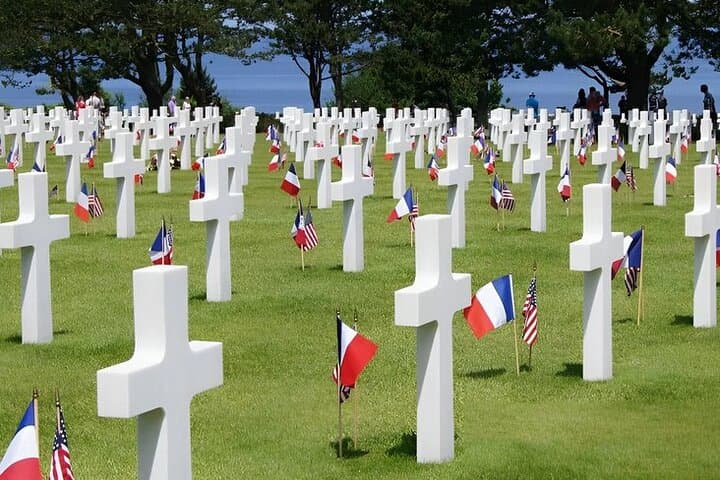
Here history is physical: the chalk and pebble profile of Normandy meets wide beaches that bore the brunt of June 6, 1944. At Colleville-sur-Mer the American Cemetery frames rows of white headstones against the sea; at Omaha the sand holds the footprint of the fiercest assault. Offshore, the hulks of Mulberry caissons at Arromanches still lean against Atlantic tides, engineering that once pushed metal and men across water.
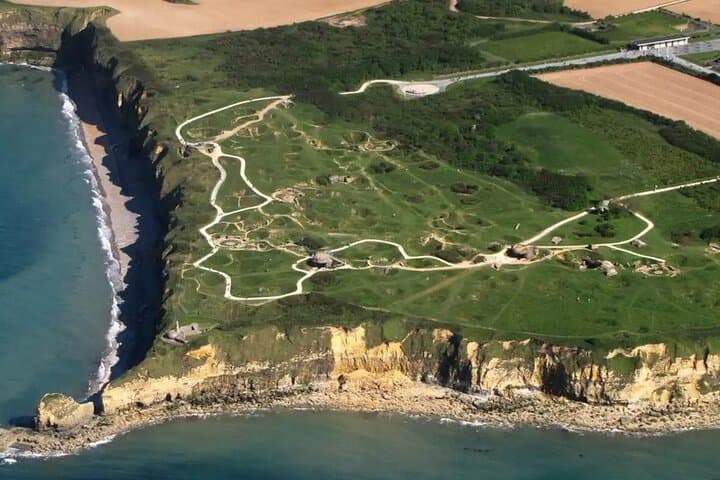
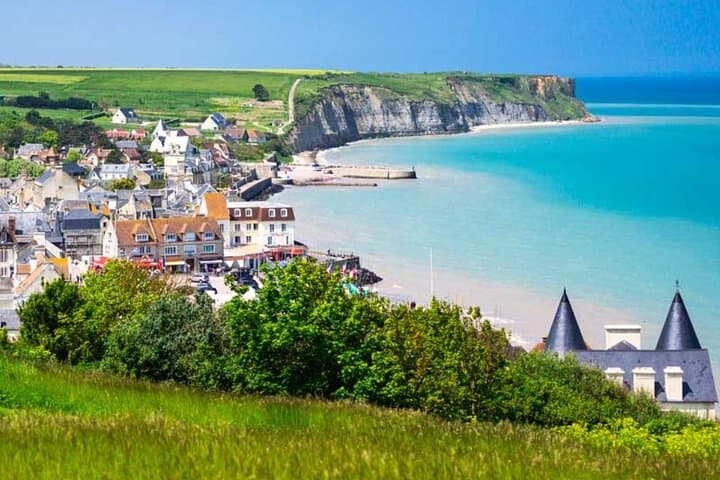
Geology matters—chalk cliffs, estuarine inlets and shifting tides shaped how operations unfolded and how local settlements grew. Culture is practical and precise: small coastal towns with stone houses, muffled café talk about fishing seasons, and Norman cuisine—cream, cider, and salt-scrubbed seafood—offering a grounded counterpoint to the day’s gravity.
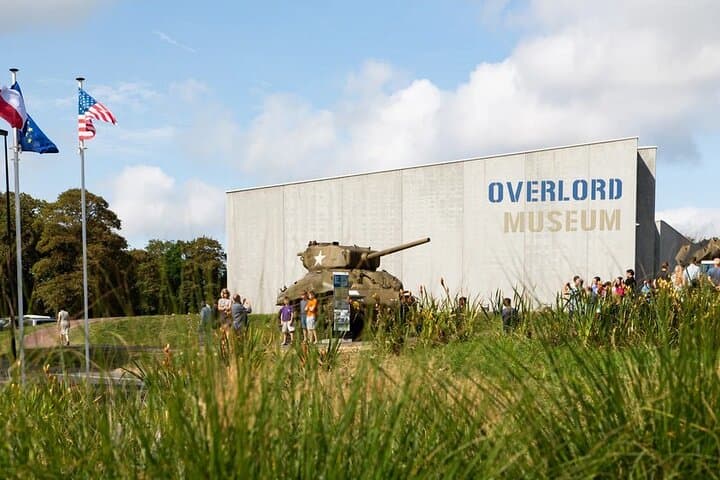
Plan for a long, reflective day: expect multiple short walks, museum stops (Overlord Museum, Juno Beach Centre), and free time for viewpoints. Practical advice—bring layered clothing for sudden coastal winds, water and sturdy shoes for uneven sand and bunkers, and set aside quiet time at memorials. Photography is allowed, but memorial etiquette is essential: keep voices low and respect restricted areas.
This private van format gives pace and privacy—an organized, human-scale passage through sites that still press history into landscape.
easy.
12–14 hours.
Light activity only—comfortable walking ability for short beach and museum strolls is sufficient
The full program is about 14 hours door‑to‑door, typically departing early morning and returning late evening.
This tour includes transportation and certain amenities; check with the coordinator about specific museum admissions—some sites are free while others may charge.
Yes. The private tour is designed to be flexible—timing and stops can be adjusted within the day’s schedule on request.
There are short walks on beaches and between exhibits; the tour notes stroller access and infant seats are available, and it’s suitable for most ages with supervision.
Normandy’s coastline has long been a strategic cross‑channel corridor; the 1944 landings leveraged natural coves and created artificial harbors to sustain the advance inland.
Many sites balance visitor access with preservation—stick to marked paths, avoid disturbing dune vegetation, and follow local guidance to protect fragile coastal habitats.
Easy Travel Paris operates guided outdoor trips and adventures with an emphasis on safety, stewardship, and memorable experiences.
You step into a Mercedes V‑Class at dawn, Paris shrinking in the rearview while the Channel widens like a cold, brassy promise. The van hums; your driver keeps time and the coordinator smooths logistics—comfort that lets the coastline do the talking.
You step into a Mercedes V‑Class at dawn, Paris shrinking in the rearview while the Channel widens like a cold, brassy promise. The van hums; your driver keeps time and the coordinator smooths logistics—comfort that lets the coastline do the talking.
Here history is physical: the chalk and pebble profile of Normandy meets wide beaches that bore the brunt of June 6, 1944. At Colleville-sur-Mer the American Cemetery frames rows of white headstones against the sea; at Omaha the sand holds the footprint of the fiercest assault. Offshore, the hulks of Mulberry caissons at Arromanches still lean against Atlantic tides, engineering that once pushed metal and men across water.
Geology matters—chalk cliffs, estuarine inlets and shifting tides shaped how operations unfolded and how local settlements grew. Culture is practical and precise: small coastal towns with stone houses, muffled café talk about fishing seasons, and Norman cuisine—cream, cider, and salt-scrubbed seafood—offering a grounded counterpoint to the day’s gravity.
Plan for a long, reflective day: expect multiple short walks, museum stops (Overlord Museum, Juno Beach Centre), and free time for viewpoints. Practical advice—bring layered clothing for sudden coastal winds, water and sturdy shoes for uneven sand and bunkers, and set aside quiet time at memorials. Photography is allowed, but memorial etiquette is essential: keep voices low and respect restricted areas.
This private van format gives pace and privacy—an organized, human-scale passage through sites that still press history into landscape.