THE ADVENTURE COLLECTIVE® · Independent discovery and booking for outdoor travel

Spend a day moving from Osaka’s historic castle grounds and neon foodways to the tranquil temple groves and free-roaming deer of Nara. This private, customizable tour pairs efficient transport with local insight—ideal for travelers who want a deep, well-paced introduction to Kansai in a single day.
Spend a day moving from Osaka’s historic castle grounds and neon foodways to the tranquil temple groves and free-roaming deer of Nara. This private, customizable tour pairs efficient transport with local insight—ideal for travelers who want a deep, well-paced introduction to Kansai in a single day.
A humid spring morning in Osaka begins at the base of a stone wall older than the modern city above it. Guests step into an air-conditioned vehicle, maps folded away, and move from the castle’s broad moats to the bright chaos of Dotonbori within an hour—one day stitched from contrasts: samurai-era fortifications, neon-lit food alleys, and the quiet deer-filled groves of Nara.
Verified experiences and guided adventures in the surrounding area.
Operated by Nihon Shine Tours · Osaka, Osaka
A humid spring morning in Osaka begins at the base of a stone wall older than the modern city above it. Guests step into an air-conditioned vehicle, maps folded away, and move from the castle’s broad moats to the bright chaos of Dotonbori within an hour—one day stitched from contrasts: samurai-era fortifications, neon-lit food alleys, and the quiet deer-filled groves of Nara.
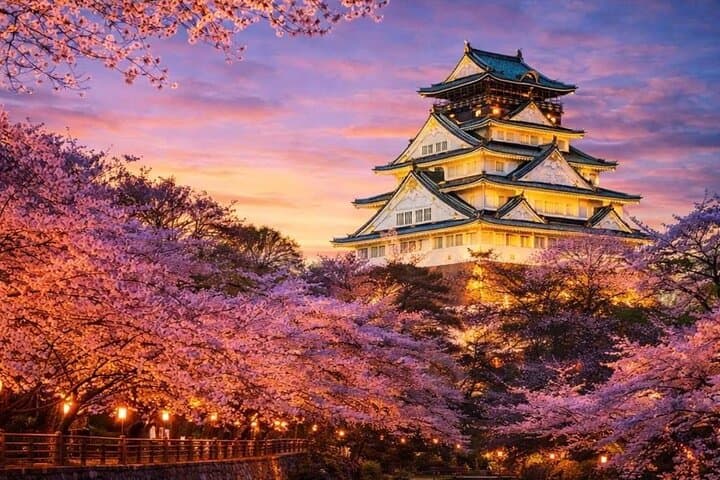
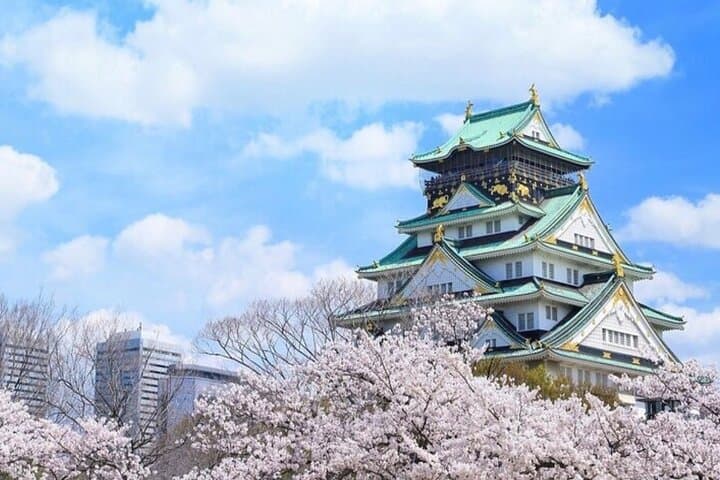
Osaka Castle, rebuilt after its Sengoku-era origins, demonstrates the city’s martial and political past, while Shitennō-ji preserves Buddhist layout principles introduced in the sixth century. Geologically the region sits on flat alluvial plains near the Inland Sea; the built environment often rises from reclaimed land and rounded hills, and the parks around Nara retain older soils that allowed temple complexes to grow. Culturally, visitors will notice Osaka’s culinary confidence—takoyaki and okonomiyaki bargaining for attention—and Nara’s reverent calm, where sika deer move like local ambassadors.
Practically, expect roughly 8–10 hours of guided exploration with private transport, short walks between sights, and time for food stops. Bring comfortable walking shoes and a compact rain layer—sudden showers are common—and allow flexibility in the schedule for crowds, especially during cherry blossom or autumn-leaf season. Guides typically handle parking and routing; admissions for some sites may be extra. Respect temple etiquette (quiet, no flash photography in halls) and follow local staff or signage around the deer in Nara Park.
This trip pairs urban energy with pastoral calm in a single, efficiently planned day—ideal for travelers who want depth without logistics stress.
easy.
10 hours.
Light to moderate: expect multiple short walks and standing at viewpoints; suitable for most fitness levels.
Admission is not universally included; the itinerary notes which sites include entrance fees—expect to pay for certain museums or special exhibitions.
Private transportation and pickup are provided; confirm your pickup point and time during booking so the guide can plan the route efficiently.
The tour lists wheelchair accessibility and stroller access; however, some historic sites have steps—check site-specific access in advance and notify the operator of needs.
Yes, the tour is customizable within the allotted time; operators can adjust stops or pacing to prioritize specific interests like food, architecture, or temples.
Osaka Castle, founded by Toyotomi Hideyoshi in 1583, marks the city’s role in Japan’s unification, while many of Nara’s temples date to the 8th century when the area served as Japan’s first permanent capital.
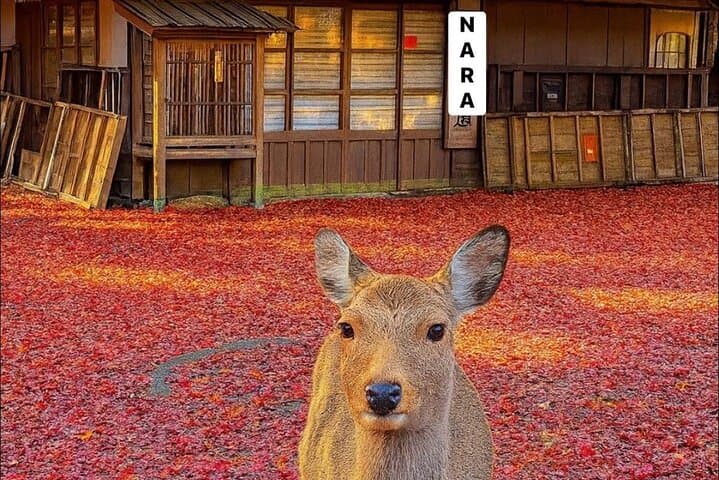
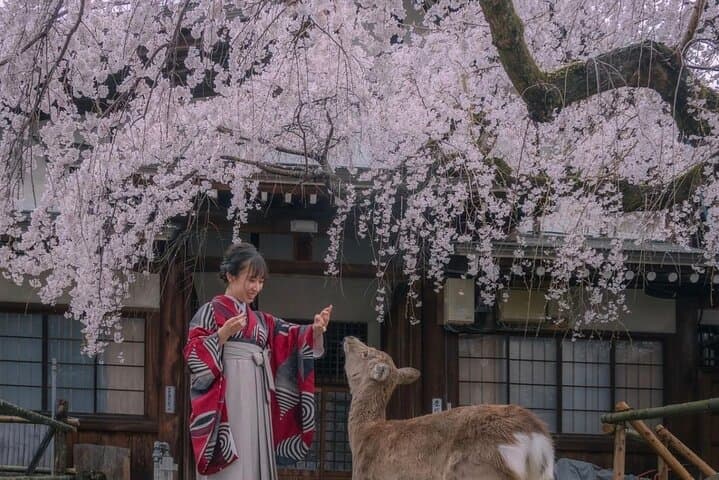
Nara Park is managed to balance tourism and wildlife health—feed deer only approved crackers, pack out trash, and stick to marked paths to protect temple grounds and forest soils.
Nihon Shine Tours operates guided outdoor trips and adventures with an emphasis on safety, stewardship, and memorable experiences.
A humid spring morning in Osaka begins at the base of a stone wall older than the modern city above it. Guests step into an air-conditioned vehicle, maps folded away, and move from the castle’s broad moats to the bright chaos of Dotonbori within an hour—one day stitched from contrasts: samurai-era fortifications, neon-lit food alleys, and the quiet deer-filled groves of Nara.
A humid spring morning in Osaka begins at the base of a stone wall older than the modern city above it. Guests step into an air-conditioned vehicle, maps folded away, and move from the castle’s broad moats to the bright chaos of Dotonbori within an hour—one day stitched from contrasts: samurai-era fortifications, neon-lit food alleys, and the quiet deer-filled groves of Nara.
Osaka Castle, rebuilt after its Sengoku-era origins, demonstrates the city’s martial and political past, while Shitennō-ji preserves Buddhist layout principles introduced in the sixth century. Geologically the region sits on flat alluvial plains near the Inland Sea; the built environment often rises from reclaimed land and rounded hills, and the parks around Nara retain older soils that allowed temple complexes to grow. Culturally, visitors will notice Osaka’s culinary confidence—takoyaki and okonomiyaki bargaining for attention—and Nara’s reverent calm, where sika deer move like local ambassadors.
Practically, expect roughly 8–10 hours of guided exploration with private transport, short walks between sights, and time for food stops. Bring comfortable walking shoes and a compact rain layer—sudden showers are common—and allow flexibility in the schedule for crowds, especially during cherry blossom or autumn-leaf season. Guides typically handle parking and routing; admissions for some sites may be extra. Respect temple etiquette (quiet, no flash photography in halls) and follow local staff or signage around the deer in Nara Park.
This trip pairs urban energy with pastoral calm in a single, efficiently planned day—ideal for travelers who want depth without logistics stress.