THE ADVENTURE COLLECTIVE® · Independent discovery and booking for outdoor travel

A private full‑day visit to Mutianyu with a licensed English guide-driver, private transfer and flexible ticket options for the cable car and slide. Explore quieter Ming dynasty ramparts, stroll forested ridgelines, and return to Beijing the same day.
A private full‑day visit to Mutianyu with a licensed English guide-driver, private transfer and flexible ticket options for the cable car and slide. Explore quieter Ming dynasty ramparts, stroll forested ridgelines, and return to Beijing the same day.
The bus drops you at a low stone lot; the air is sharp, cedar and the distant wall runs like an old spine up the ridge. Your licensed English guide-driver greets you, folds a map; the route to Mutianyu is measured in switchbacks and changing light, and the first glimpse of crenellated towers feels immediate and practical rather than theatrical.
Verified experiences and guided adventures in the surrounding area.
Operated by [email protected] · Huairou District, Beijing
The bus drops you at a low stone lot; the air is sharp, cedar and the distant wall runs like an old spine up the ridge. Your licensed English guide-driver greets you, folds a map; the route to Mutianyu is measured in switchbacks and changing light, and the first glimpse of crenellated towers feels immediate and practical rather than theatrical.
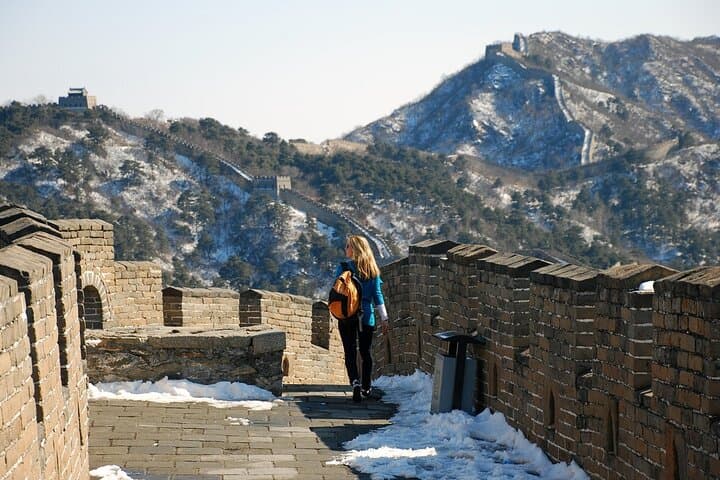
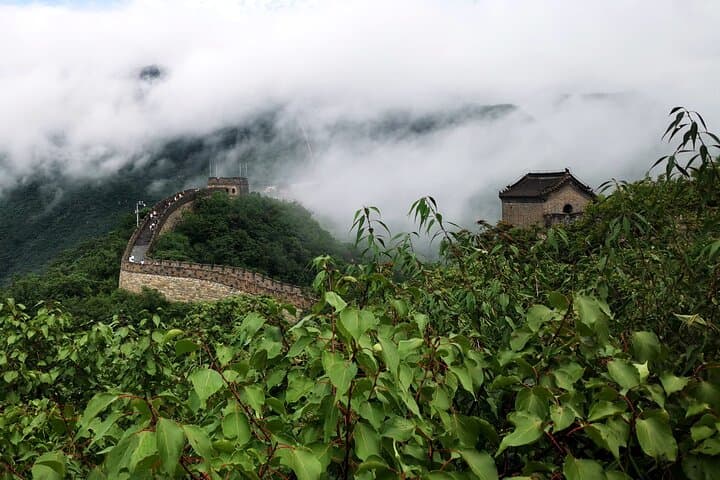
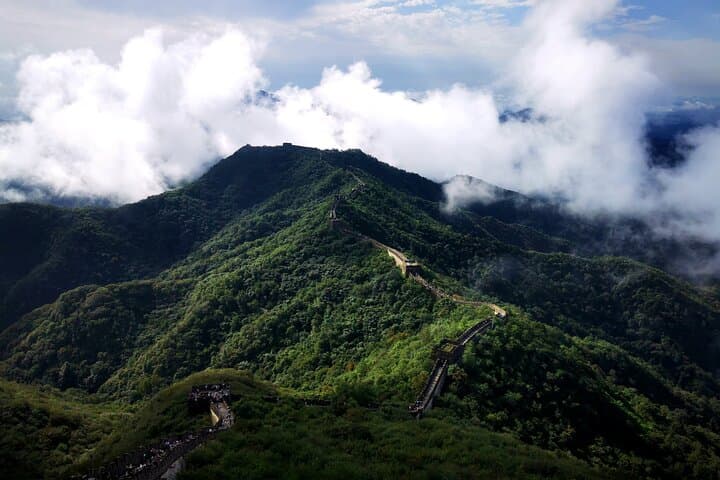
Mutianyu is a Ming‑era section rebuilt to defend the imperial approach to Beijing; its watchtowers sit on rounded ridgelines carved from local granite and soil. The stone underfoot is weathered, the slopes a patchwork of deciduous forest that turns loud in autumn and muffled in winter. Local culture here is rooted in farming villages and small tea stalls at the gate; modern tourism facilities—shuttle buses, a cable car and a toboggan-style slide—make the walk customizable.
Expect 3–4 hours on the wall itself: steep stone steps, uneven surfaces and long sightlines where wind will push at you. Your guide-driver handles logistics—parking, shuttles, ticket options—then waits while you explore, returning you to the vehicle on a schedule.
Practical guidance: wear sturdy shoes with good grip, carry sun protection and at least 1–1.5 liters of water, and budget extra for the cable car or slide if you prefer to avoid the steep ascent or descent. Aim for early morning or late afternoon to avoid buses and midday heat. If you have back or heart problems, choose the cable car and skip long stretches of uneven steps. A private transfer saves time; a licensed English guide-driver adds context and keeps the day moving smoothly.
moderate.
8–9 hours.
Moderate fitness—comfortable walking on uneven stone for several hours and climbing stairs.
The standard tour price does not automatically include entrance or cable car/slide fees; the guide‑driver can assist you in purchasing tickets or a discounted package at the gate.
Visitors typically spend 3–4 hours exploring Mutianyu’s restored towers and paths, though you can shorten that by using the cable car or shuttle.
Children can do the visit if supervised; for limited mobility, take the cable car and avoid long stair sections—those with serious spinal or heart conditions are not recommended to hike long stretches.
Tours generally proceed in light rain; severe weather may affect cable car operations—check with the guide-driver on the day and follow local safety guidance.
Mutianyu was fortified and rebuilt extensively during the Ming dynasty to protect the northern approaches to Beijing; many towers remain connected by long stretches of wall.
Visitor pressure can erode masonry and trails; stick to marked paths, avoid littering and support local vendors to help the area’s economy and maintenance.
[email protected] operates guided outdoor trips and adventures with an emphasis on safety, stewardship, and memorable experiences.
The bus drops you at a low stone lot; the air is sharp, cedar and the distant wall runs like an old spine up the ridge. Your licensed English guide-driver greets you, folds a map; the route to Mutianyu is measured in switchbacks and changing light, and the first glimpse of crenellated towers feels immediate and practical rather than theatrical.
The bus drops you at a low stone lot; the air is sharp, cedar and the distant wall runs like an old spine up the ridge. Your licensed English guide-driver greets you, folds a map; the route to Mutianyu is measured in switchbacks and changing light, and the first glimpse of crenellated towers feels immediate and practical rather than theatrical.
Mutianyu is a Ming‑era section rebuilt to defend the imperial approach to Beijing; its watchtowers sit on rounded ridgelines carved from local granite and soil. The stone underfoot is weathered, the slopes a patchwork of deciduous forest that turns loud in autumn and muffled in winter. Local culture here is rooted in farming villages and small tea stalls at the gate; modern tourism facilities—shuttle buses, a cable car and a toboggan-style slide—make the walk customizable.
Expect 3–4 hours on the wall itself: steep stone steps, uneven surfaces and long sightlines where wind will push at you. Your guide-driver handles logistics—parking, shuttles, ticket options—then waits while you explore, returning you to the vehicle on a schedule.
Practical guidance: wear sturdy shoes with good grip, carry sun protection and at least 1–1.5 liters of water, and budget extra for the cable car or slide if you prefer to avoid the steep ascent or descent. Aim for early morning or late afternoon to avoid buses and midday heat. If you have back or heart problems, choose the cable car and skip long stretches of uneven steps. A private transfer saves time; a licensed English guide-driver adds context and keeps the day moving smoothly.