THE ADVENTURE COLLECTIVE® · Independent discovery and booking for outdoor travel

A private day trip that pairs Mount Fuji’s high-altitude views with Hakone’s volcanic valleys and Lake Ashi boat rides. Tailored stops—5th Station, Owakudani, Chureito Pagoda—let you see key sights with fewer crowds.
A private day trip that pairs Mount Fuji’s high-altitude views with Hakone’s volcanic valleys and Lake Ashi boat rides. Tailored stops—5th Station, Owakudani, Chureito Pagoda—let you see key sights with fewer crowds.
You step off the minivan where low clouds open onto a rim of snow and rock: Mount Fuji stares back, patient and immense, while the green shoulders of Hakone slope away toward Lake Ashi. The air alternates between cool volcanic steam at Owakudani and crisp lake breeze at Moto-Hakone Shrine; the day is crafted so each scene arrives with minimal crowds.
Verified experiences and guided adventures in the surrounding area.
Operated by Sato · Hakone, Kanagawa Prefecture
You step off the minivan where low clouds open onto a rim of snow and rock: Mount Fuji stares back, patient and immense, while the green shoulders of Hakone slope away toward Lake Ashi. The air alternates between cool volcanic steam at Owakudani and crisp lake breeze at Moto-Hakone Shrine; the day is crafted so each scene arrives with minimal crowds.
This route threads together geological drama and human history. Fuji is a stratovolcano whose last major eruptions shaped the surrounding plains; Hakone’s volcanic caldera hosts hot springs that have drawn travelers since the Edo period when the Tokaido road funneled merchants and pilgrims through the passes. Cultural stops like Chureito Pagoda and Oishino Hakkai offer views and a reminder of Japan’s layered past.
Expect short walks rather than long hikes: the Mt. Fuji 5th Station sits near 2,300 m with shops and viewpoints rather than a summit push, while Owakudani’s sulphur vents emit heat and scent that demand respect. Lake Ashi’s sightseeing boats slice across still water, and the Hakone Open-Air Museum mixes art with mountain panoramas.
Practicalities: the day is roughly 10 hours with private transport from Tokyo and wheelchair-accessible options; bring layers for temperature swings, sunscreen, and a refillable water bottle. Altitude at the 5th Station can cause light breathlessness—move slowly, hydrate, and avoid strenuous activity if you’re susceptible. Photographers will find evolving light across the lake and slopes; guides can customize the order or linger at quieter viewpoints. This is a full, varied day that balances easy access with high-elevation spectacle.
easy.
10 hours.
Minimal fitness required; mostly short walks and standing at viewpoints. Suitable for families and older travelers.
No technical fitness is required; the day includes short walks, viewpoints and vehicle transfers. Those with mobility limits should inform the operator in advance for accessible arrangements.
A seasonal shuttle fee (roughly ¥2500) applies when operating; check dates as the shuttle typically runs during the official hiking season (early July–early September).
Yes—this private tour offers flexibility to change or omit stops; confirm desired changes when booking so the guide can adjust timing accordingly.
Standard inclusions are private transportation and vehicle amenities; admission to some sites and meals are typically not included—confirm specifics with the operator before booking.
Mount Fuji has been a spiritual symbol and pilgrimage landmark for centuries; Hakone flourished as an Edo-era checkpoint and later as a hot-spring retreat.
High visitation stresses fragile volcanic areas and trails—stay on marked paths, pack out waste, and respect onsen etiquette to reduce impact.
Sato operates guided outdoor trips and adventures with an emphasis on safety, stewardship, and memorable experiences.
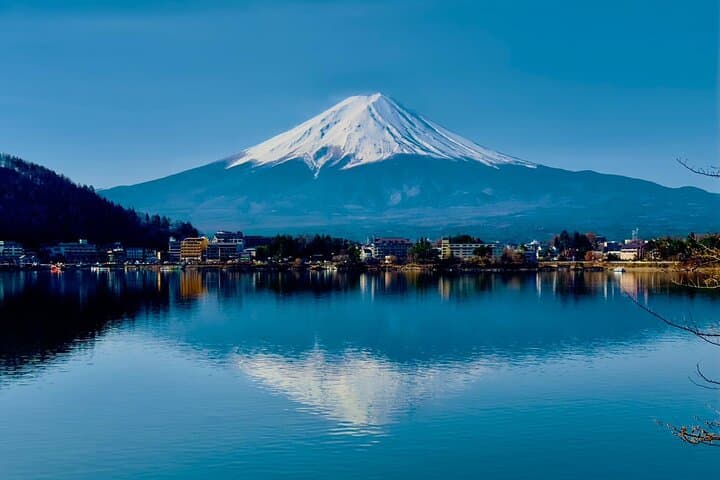
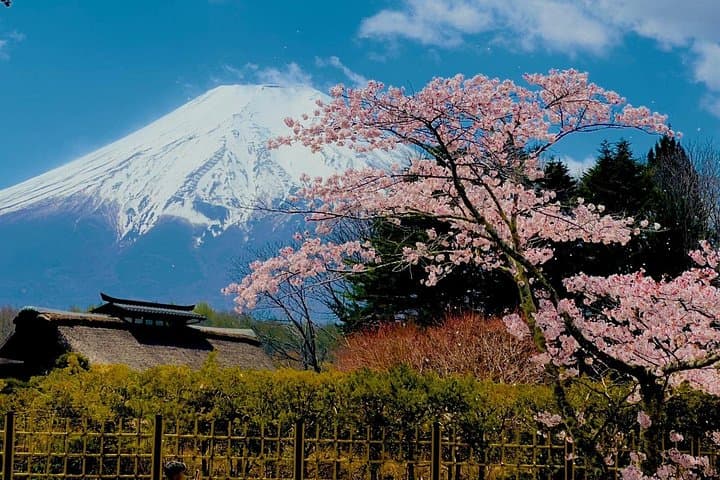
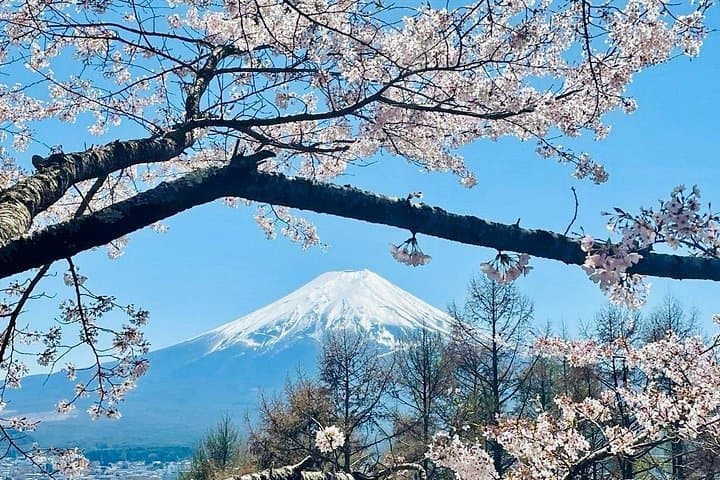
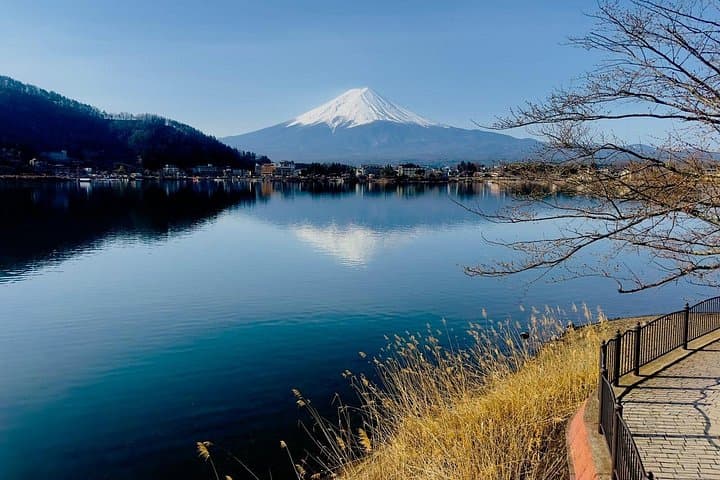
You step off the minivan where low clouds open onto a rim of snow and rock: Mount Fuji stares back, patient and immense, while the green shoulders of Hakone slope away toward Lake Ashi. The air alternates between cool volcanic steam at Owakudani and crisp lake breeze at Moto-Hakone Shrine; the day is crafted so each scene arrives with minimal crowds.
You step off the minivan where low clouds open onto a rim of snow and rock: Mount Fuji stares back, patient and immense, while the green shoulders of Hakone slope away toward Lake Ashi. The air alternates between cool volcanic steam at Owakudani and crisp lake breeze at Moto-Hakone Shrine; the day is crafted so each scene arrives with minimal crowds.
This route threads together geological drama and human history. Fuji is a stratovolcano whose last major eruptions shaped the surrounding plains; Hakone’s volcanic caldera hosts hot springs that have drawn travelers since the Edo period when the Tokaido road funneled merchants and pilgrims through the passes. Cultural stops like Chureito Pagoda and Oishino Hakkai offer views and a reminder of Japan’s layered past.
Expect short walks rather than long hikes: the Mt. Fuji 5th Station sits near 2,300 m with shops and viewpoints rather than a summit push, while Owakudani’s sulphur vents emit heat and scent that demand respect. Lake Ashi’s sightseeing boats slice across still water, and the Hakone Open-Air Museum mixes art with mountain panoramas.
Practicalities: the day is roughly 10 hours with private transport from Tokyo and wheelchair-accessible options; bring layers for temperature swings, sunscreen, and a refillable water bottle. Altitude at the 5th Station can cause light breathlessness—move slowly, hydrate, and avoid strenuous activity if you’re susceptible. Photographers will find evolving light across the lake and slopes; guides can customize the order or linger at quieter viewpoints. This is a full, varied day that balances easy access with high-elevation spectacle.