THE ADVENTURE COLLECTIVE® · Independent discovery and booking for outdoor travel

Experience a small-group, VIP-guided walk through Ground Zero and a docent-led tour of the 9/11 Museum. This 2–4 hour experience mixes outdoor remembrance with museum context and an optional One World Observatory upgrade.
Experience a small-group, VIP-guided walk through Ground Zero and a docent-led tour of the 9/11 Museum. This 2–4 hour experience mixes outdoor remembrance with museum context and an optional One World Observatory upgrade.
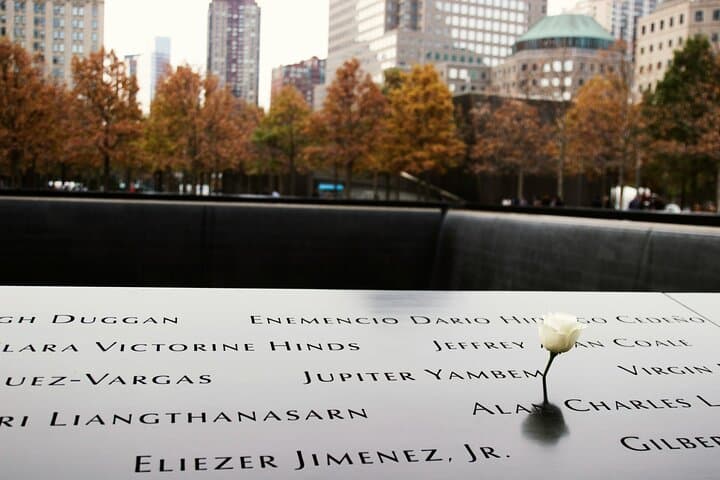
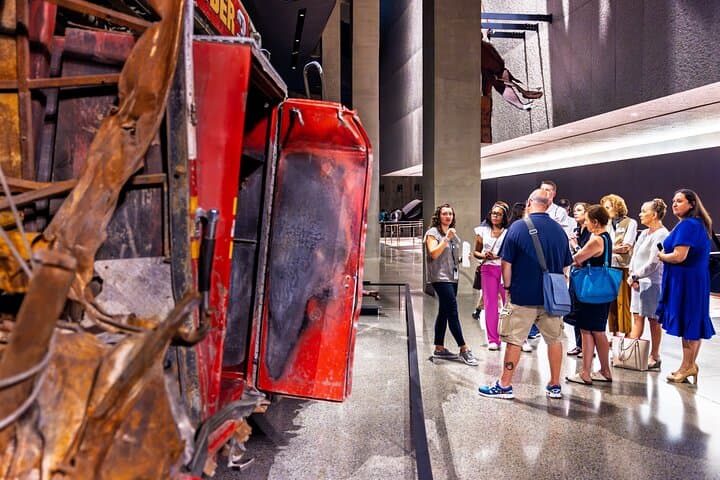
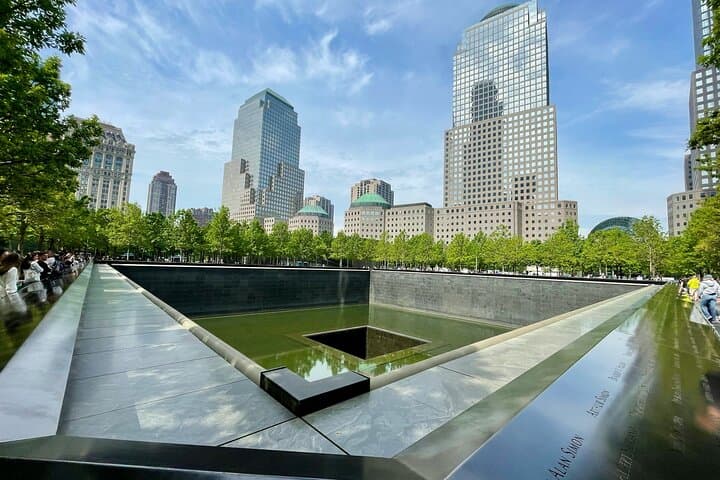
A low winter sun cuts across the bronze panels of the 9/11 Memorial as the guide, a New Yorker with a personal connection to the events, leads a small group through the plaza.
Verified experiences and guided adventures in the surrounding area.
Operated by ExperienceFirst · New York, New York
A low winter sun cuts across the bronze panels of the 9/11 Memorial as the guide, a New Yorker with a personal connection to the events, leads a small group through the plaza.
You start on the stone rim of Reflecting Absence, where twin voids swallow the sound of the city and two waterfalls dare you to stand still. The walking portion moves at a respectful, deliberate pace: the Survivor Tree, the engraved names, and the public spaces that map loss into memory. From there the tour continues into the 9/11 Museum — a dim, carefully curated sequence of artifacts, media, and testimony that traces the attacks and the rebirth of Lower Manhattan.
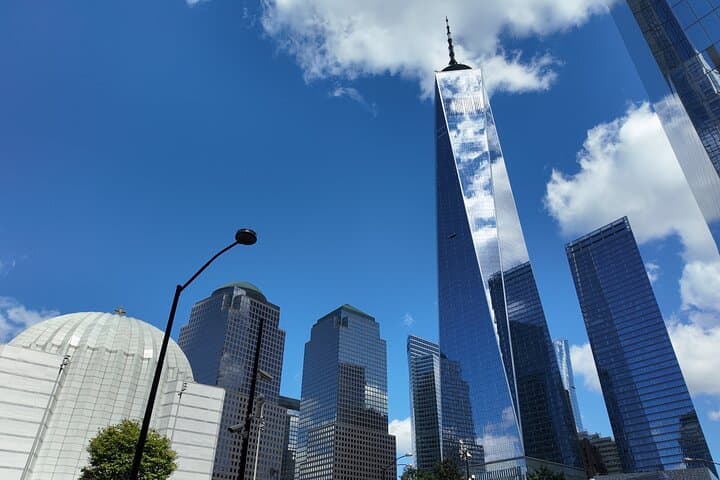
This stretch of Manhattan sits on Manhattan schist and bedrock that made its skyline possible; post-2001 reconstruction centered on resilience and new civic architecture like the Oculus and One World Observatory. Guides weave local context — the area’s commerce, the rebuilding debates, and the station’s role as both transit hub and civic center — into the narrative.
Practically: allow 2–4 hours, bring photo ID for museum entry, and expect a security checkpoint with bag checks. Wear comfortable walking shoes and layered clothing; the outdoor portions are exposed to wind off the Hudson. The guide will flag sensitive exhibits and leave time to explore the museum afterward. Accessibility is good — ramps and elevators are available — but take your time inside: some rooms are emotionally intense and quieter spaces are provided for reflection.
easy.
2–4 hours.
Suitable for most fitness levels; involves short periods of standing and moderate walking on paved surfaces
The museum covers graphic and emotional material; families with children should consider age and maturity—some galleries are more suitable for older children and teens.
Yes — the observatory is an optional upgrade; if purchased, expect a separate elevator security and additional time for lines.
Yes — the memorial plaza, museum, and many tour routes are wheelchair accessible with ramps and elevators; notify the operator of special requirements when booking.
Large bags are not allowed into the museum and must be checked at security; arrive with small bags to speed entry.
The site commemorates the 2001 attacks and the earlier 1993 World Trade Center bombing; One World Trade Center and the Memorial reflect a decade-long rebuilding and civic debate over design and remembrance.
Visitors are asked to treat artifacts and names with respect; the museum preserves delicate artifacts under controlled conditions and encourages minimal flash photography and no touching of exhibits.
ExperienceFirst operates guided outdoor trips and adventures with an emphasis on safety, stewardship, and memorable experiences.
A low winter sun cuts across the bronze panels of the 9/11 Memorial as the guide, a New Yorker with a personal connection to the events, leads a small group through the plaza.
A low winter sun cuts across the bronze panels of the 9/11 Memorial as the guide, a New Yorker with a personal connection to the events, leads a small group through the plaza.
You start on the stone rim of Reflecting Absence, where twin voids swallow the sound of the city and two waterfalls dare you to stand still. The walking portion moves at a respectful, deliberate pace: the Survivor Tree, the engraved names, and the public spaces that map loss into memory. From there the tour continues into the 9/11 Museum — a dim, carefully curated sequence of artifacts, media, and testimony that traces the attacks and the rebirth of Lower Manhattan.
This stretch of Manhattan sits on Manhattan schist and bedrock that made its skyline possible; post-2001 reconstruction centered on resilience and new civic architecture like the Oculus and One World Observatory. Guides weave local context — the area’s commerce, the rebuilding debates, and the station’s role as both transit hub and civic center — into the narrative.
Practically: allow 2–4 hours, bring photo ID for museum entry, and expect a security checkpoint with bag checks. Wear comfortable walking shoes and layered clothing; the outdoor portions are exposed to wind off the Hudson. The guide will flag sensitive exhibits and leave time to explore the museum afterward. Accessibility is good — ramps and elevators are available — but take your time inside: some rooms are emotionally intense and quieter spaces are provided for reflection.