THE ADVENTURE COLLECTIVE® · Independent discovery and booking for outdoor travel

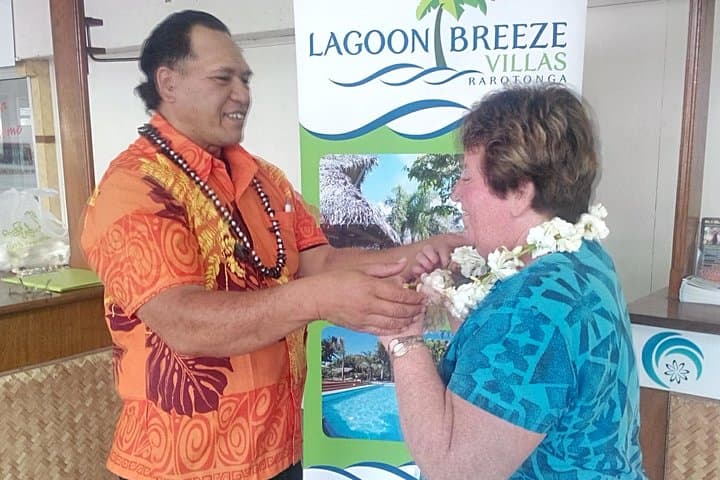
Leave Rarotonga with ease: an air‑conditioned seat, chilled towel and a shell Ei farewell make this short hotel‑to‑airport transfer feel intentional and local. Confirm pickup details and travel documents for a smooth send‑off.
Leave Rarotonga with ease: an air‑conditioned seat, chilled towel and a shell Ei farewell make this short hotel‑to‑airport transfer feel intentional and local. Confirm pickup details and travel documents for a smooth send‑off.
A warm, humid breeze follows the coach as it eases away from a palm-fringed resort and threads the coastal road toward Rarotonga International Airport.
Verified experiences and guided adventures in the surrounding area.
Operated by Cook Islands Tours · Avarua, Rarotonga
A warm, humid breeze follows the coach as it eases away from a palm-fringed resort and threads the coastal road toward Rarotonga International Airport.
The scene is simple: an air‑conditioned seat, a chilled towel, and a driver who knows the short, winding route by heart. Cook Islands Tours punctuates the send‑off with a small ceremony—the shell Ei handed over as a parting gift—turning an ordinary transfer into a final, memorable exchange with local hospitality.
Rarotonga’s backbone is volcanic: a rugged central ridge drops quickly to a ribbon of coastal plain where villages, plantations and coral‑lined lagoons sit. Avarua, the island’s administrative center, bears the marks of Polynesian voyaging and later missionary and colonial contacts; the Ei itself is a cultural signifier, a traditional garland reinterpreted for visitors.
For travelers, the transfer is practical travel choreography: expect about 25–35 minutes between most hotels and the airport, shorter from west‑coast resorts, longer during market days or festival traffic. The route stays low in elevation and offers quick views of reef and surf, but the road is narrow and winding—drivers prioritize safety and local etiquette.
Plan to confirm pickup details the day before, keep passports and boarding passes handy, and allow extra time for luggage checks and customs. Hydrate, apply reef‑safe sunscreen, and accept the small comforts provided—cold water and a face towel—for a calm finish to island time.
This service blends utility with cultural nuance: a straightforward transfer amplified by attentive staff and a tangible souvenir that marks the end of a Pacific stay.
easy.
25–40 minutes.
Minimal fitness required — suitable for most travelers including families and older adults
This listing is a seat‑in‑coach (shared) service; seating is not private unless a private transfer is booked separately.
Typical travel time is 25–40 minutes depending on your hotel location and local traffic or market events.
Yes — the service is stroller accessible and suitable for all ages; indicate special requirements when booking.
Yes — a local expert meets international arrivals at the gate after customs to confirm accommodations and pickup times for departures.
Rarotonga was settled centuries ago by Polynesian voyagers; European mission influence in the 19th century reshaped local settlements and introduced new crops and governance structures.
Coral reefs around Rarotonga are sensitive—use reef‑safe sunscreen, avoid touching corals, and support local guides who follow sustainable marine practices.
Cook Islands Tours operates guided outdoor trips and adventures with an emphasis on safety, stewardship, and memorable experiences.
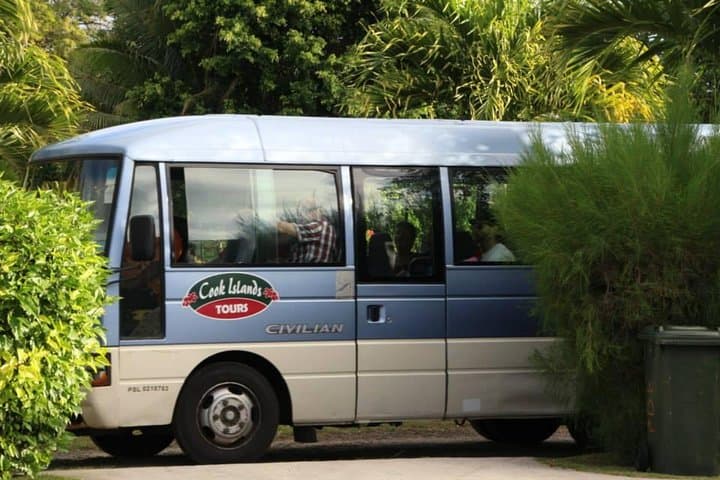
A warm, humid breeze follows the coach as it eases away from a palm-fringed resort and threads the coastal road toward Rarotonga International Airport.
A warm, humid breeze follows the coach as it eases away from a palm-fringed resort and threads the coastal road toward Rarotonga International Airport.
The scene is simple: an air‑conditioned seat, a chilled towel, and a driver who knows the short, winding route by heart. Cook Islands Tours punctuates the send‑off with a small ceremony—the shell Ei handed over as a parting gift—turning an ordinary transfer into a final, memorable exchange with local hospitality.
Rarotonga’s backbone is volcanic: a rugged central ridge drops quickly to a ribbon of coastal plain where villages, plantations and coral‑lined lagoons sit. Avarua, the island’s administrative center, bears the marks of Polynesian voyaging and later missionary and colonial contacts; the Ei itself is a cultural signifier, a traditional garland reinterpreted for visitors.
For travelers, the transfer is practical travel choreography: expect about 25–35 minutes between most hotels and the airport, shorter from west‑coast resorts, longer during market days or festival traffic. The route stays low in elevation and offers quick views of reef and surf, but the road is narrow and winding—drivers prioritize safety and local etiquette.
Plan to confirm pickup details the day before, keep passports and boarding passes handy, and allow extra time for luggage checks and customs. Hydrate, apply reef‑safe sunscreen, and accept the small comforts provided—cold water and a face towel—for a calm finish to island time.
This service blends utility with cultural nuance: a straightforward transfer amplified by attentive staff and a tangible souvenir that marks the end of a Pacific stay.