THE ADVENTURE COLLECTIVE® · Independent discovery and booking for outdoor travel

A full-day VIP trip from Marrakech to the dramatic Ouzoud Waterfalls — private transport, guided rim hikes, riverside lunch and optional boat ride to the base of Morocco’s tallest cascades.
A full-day VIP trip from Marrakech to the dramatic Ouzoud Waterfalls — private transport, guided rim hikes, riverside lunch and optional boat ride to the base of Morocco’s tallest cascades.
You step out of the van and the air changes: cooler, wetter, scented with olive leaves and damp stone. The cliff-edge opens in front of you and the Ouzoud Waterfalls do what waterfalls do best — they move. Three main streams unspool down a 110-meter drop, each ribbon of water catching light differently as it negotiates terraces and plunge pools. Olive groves crowd the valley like a patient audience; old stone mills crouch at the river’s edge.
Verified experiences and guided adventures in the surrounding area.
Operated by Abdatrails · Ouzoud, Azilal Province
You step out of the van and the air changes: cooler, wetter, scented with olive leaves and damp stone. The cliff-edge opens in front of you and the Ouzoud Waterfalls do what waterfalls do best — they move. Three main streams unspool down a 110-meter drop, each ribbon of water catching light differently as it negotiates terraces and plunge pools. Olive groves crowd the valley like a patient audience; old stone mills crouch at the river’s edge.
This is a day trip that reads like a portrait of Morocco beyond the souk: 150 km northeast of Marrakech, across the rolling Middle Atlas where Berber villages punctuate fields of almonds and olives. Ouzoud’s name comes from the Tamazight word for “olive,” and the landscape here has been shaped by small-scale agriculture and ingenious watermills for centuries. Those mills, still functioning in places, are a reminder that the falls are not only scenic but practical — a long-standing source of power and livelihood.
Geology is simple and spectacular: resistant limestone tiers create steps that force the river skyward into a dramatic series of drops. The falls carve pools that invite — and sometimes dare — visitors to descend for a closer look. Barbary macaques are the local characters: playful, opportunistic and curious, they patrol the rocks and picnic spots with equal confidence.
The VIP day trip is structured to keep the day unrushed. Private transport from Marrakech gives you flexibility for stops and photo breaks; a local guide leads a hike along rim trails and down to viewpoints, translating landscape and culture as you move. Expect carved stone steps, switchback paths and uneven terrain on the descent; the optional boat ride at the base gets you inside the spray line for a wet, cinematic view.
Practical edge: start early from Marrakech to avoid midday heat and to catch light that flatters the cliffs. Wear sturdy hiking shoes — the trails are stone and can be slippery — and bring layered clothing; mornings are cool, afternoons humid near the water. Cash is handy for small restaurants by the river and tipping local guides. Respect the macaques: don’t feed them and keep cameras secure.
For travelers who want a full sensory day — landscape, culture, and a bit of adventure — this VIP tour balances comfort and exploration. It’s an accessible way to witness one of Morocco’s most dramatic freshwater systems while supporting local guides and family-run eateries that make the valley feel like a lived place, not only a photo stop.
moderate.
10–12 hours.
Moderate fitness for walking on uneven terrain and descending/ascending stone steps; comfortable with several hours on foot.
The trip is roughly 150 km each way; expect about 2.5–3 hours of driving each direction depending on traffic and stops.
Yes, some plunge pools are used for swimming, but conditions vary; check with your guide for safe spots and seasonal flow levels.
The boat ride is optional and typically costs extra locally; your guide can arrange it once you arrive.
Trails involve uneven stone steps and some steep sections; children and older adults with good mobility can participate but should take care.
Yes — macaques are common around the falls, but they are wild animals: don’t feed them and secure loose items.
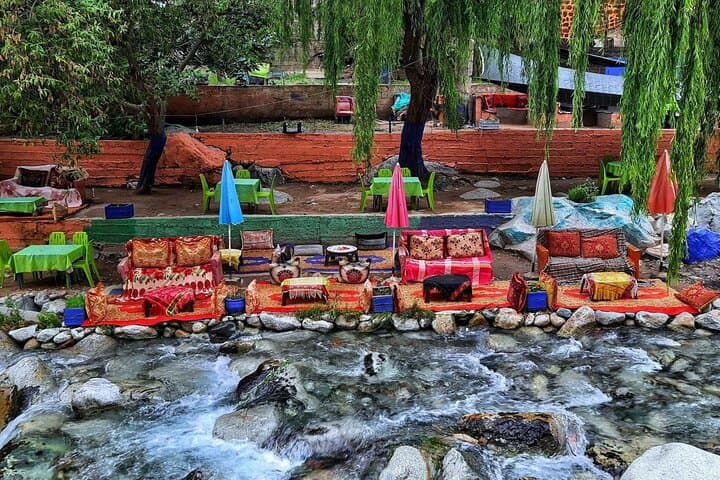
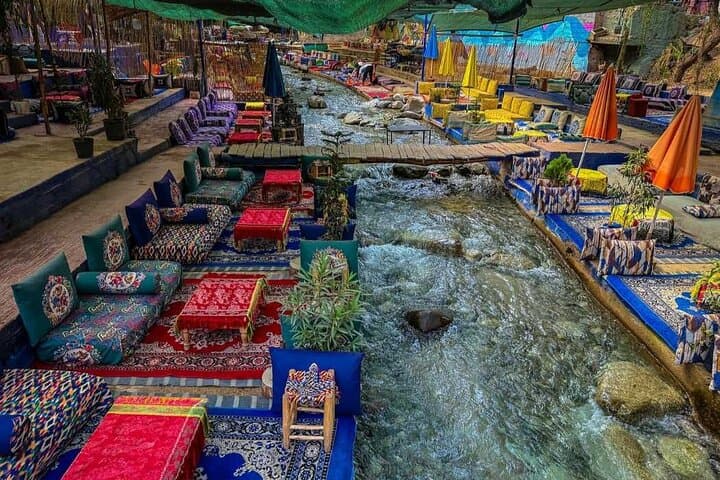
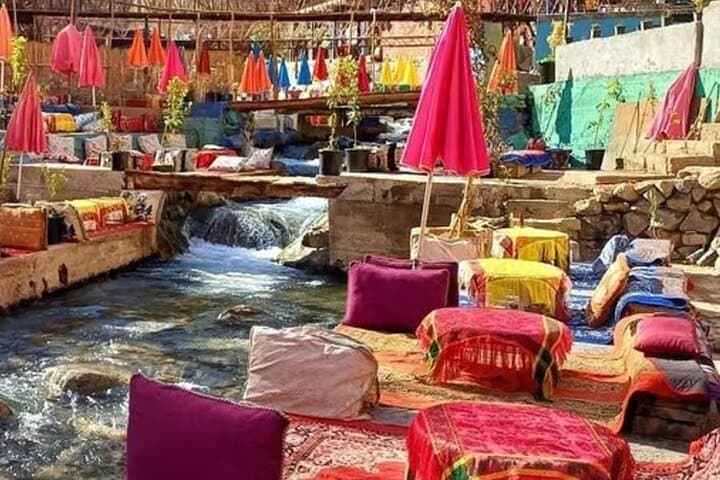
Riverside restaurants serve local dishes like tagine and grilled fish; inform the operator of dietary restrictions when booking to accommodate needs.
Local watermills and olive terraces reflect centuries of small-scale agriculture and ingenious use of river power by Berber communities.
High visitor numbers can erode trails and disturb wildlife; stick to paths, avoid feeding macaques, and support local eateries that practice low-impact tourism.
Abdatrails operates guided outdoor trips and adventures with an emphasis on safety, stewardship, and memorable experiences.
You step out of the van and the air changes: cooler, wetter, scented with olive leaves and damp stone. The cliff-edge opens in front of you and the Ouzoud Waterfalls do what waterfalls do best — they move. Three main streams unspool down a 110-meter drop, each ribbon of water catching light differently as it negotiates terraces and plunge pools. Olive groves crowd the valley like a patient audience; old stone mills crouch at the river’s edge.
You step out of the van and the air changes: cooler, wetter, scented with olive leaves and damp stone. The cliff-edge opens in front of you and the Ouzoud Waterfalls do what waterfalls do best — they move. Three main streams unspool down a 110-meter drop, each ribbon of water catching light differently as it negotiates terraces and plunge pools. Olive groves crowd the valley like a patient audience; old stone mills crouch at the river’s edge.
This is a day trip that reads like a portrait of Morocco beyond the souk: 150 km northeast of Marrakech, across the rolling Middle Atlas where Berber villages punctuate fields of almonds and olives. Ouzoud’s name comes from the Tamazight word for “olive,” and the landscape here has been shaped by small-scale agriculture and ingenious watermills for centuries. Those mills, still functioning in places, are a reminder that the falls are not only scenic but practical — a long-standing source of power and livelihood.
Geology is simple and spectacular: resistant limestone tiers create steps that force the river skyward into a dramatic series of drops. The falls carve pools that invite — and sometimes dare — visitors to descend for a closer look. Barbary macaques are the local characters: playful, opportunistic and curious, they patrol the rocks and picnic spots with equal confidence.
The VIP day trip is structured to keep the day unrushed. Private transport from Marrakech gives you flexibility for stops and photo breaks; a local guide leads a hike along rim trails and down to viewpoints, translating landscape and culture as you move. Expect carved stone steps, switchback paths and uneven terrain on the descent; the optional boat ride at the base gets you inside the spray line for a wet, cinematic view.
Practical edge: start early from Marrakech to avoid midday heat and to catch light that flatters the cliffs. Wear sturdy hiking shoes — the trails are stone and can be slippery — and bring layered clothing; mornings are cool, afternoons humid near the water. Cash is handy for small restaurants by the river and tipping local guides. Respect the macaques: don’t feed them and keep cameras secure.
For travelers who want a full sensory day — landscape, culture, and a bit of adventure — this VIP tour balances comfort and exploration. It’s an accessible way to witness one of Morocco’s most dramatic freshwater systems while supporting local guides and family-run eateries that make the valley feel like a lived place, not only a photo stop.