THE ADVENTURE COLLECTIVE® · Independent discovery and booking for outdoor travel

Roll out of Munich for a full‑day VIP run to two of Bavaria’s most famous royal sites: Neuschwanstein’s skyward towers and Linderhof’s formal gardens. This coach tour pairs English commentary with included castle entrance and time for photos, lunch and short walks to dramatic viewpoints.
Roll out of Munich for a full‑day VIP run to two of Bavaria’s most famous royal sites: Neuschwanstein’s skyward towers and Linderhof’s formal gardens. This coach tour pairs English commentary with included castle entrance and time for photos, lunch and short walks to dramatic viewpoints.
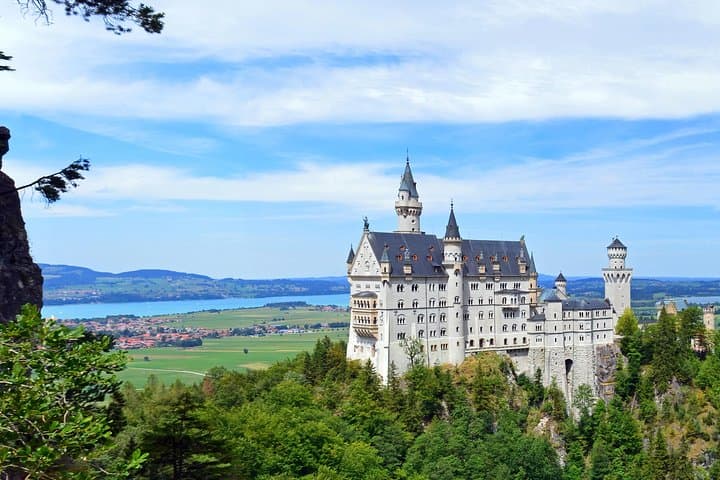
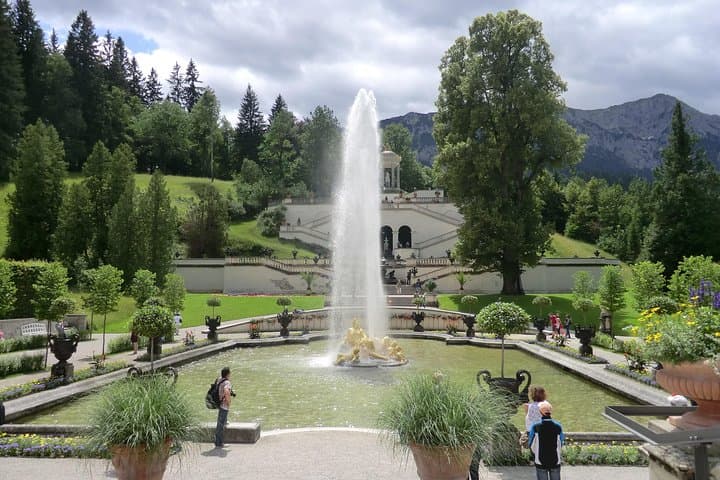
A mist lifts off alpine meadows as the coach peels away from Munich; the road climbs toward fairytale turrets framed by firs and limestone. You arrive at a narrow valley where swifts wheel above steep cliffs and the castle’s white walls catch the sun — Neuschwanstein sits like an idea of a kingdom, while Linderhof hides in a more intimate, terraced garden.
Verified experiences and guided adventures in the surrounding area.
Operated by Mentor Reisen GmbH · Munich, Bavaria
A mist lifts off alpine meadows as the coach peels away from Munich; the road climbs toward fairytale turrets framed by firs and limestone. You arrive at a narrow valley where swifts wheel above steep cliffs and the castle’s white walls catch the sun — Neuschwanstein sits like an idea of a kingdom, while Linderhof hides in a more intimate, terraced garden.
Bavaria’s royal era shaped both sites: Neuschwanstein was Ludwig II’s 19th‑century projection of medieval romance, Linderhof a private retreat inspired by Versailles and Wagnerian myth. Geology here is limestone and glacially carved valleys; the abrupt ridge above Hohenschwangau gives the Marienbrücke its dramatic vantage over a plunging gorge. Local culture still hums—wood carving, painted facades (Lüftlmalerei) and alpine hospitality define nearby villages.
Expect guided castle tours with English commentary, coach transfers, a city drive through Oberammergau and time for lunch in Hohenschwangau. Walking is on paved paths, forest tracks and steep stone steps; Marienbrücke requires a short uphill approach. Bring cash for the shuttle, carriage or souvenirs; entrance fees are usually included on packaged tours.
Practical tips: aim for an early start to avoid midday crowds, carry layered clothing for changing mountain conditions, and pack a small daypack with water and snacks. Wear sturdy walking shoes—the castle grounds and viewpoints have uneven surfaces. If you have limited mobility, check in advance about shuttles or horse carriage options. Tour operators provide bottled water and snacks, but bringing an insulated bottle and rain shell is smart on variable alpine days.
moderate.
10–11 hours.
Moderate fitness recommended: able to walk 1–3 miles with short uphill sections and stairs during castle visits
Yes—this tour description includes entrance fees for both castles so you won’t need to buy separate tickets on site.
Expect short uphill walks, paved ramps and stone steps—total walking per castle is generally under 2–3 miles but includes stairs and uneven ground.
Yes; the tour allows time for the short hike to the Marienbrücke viewpoint, though access can be busy and slightly steep.
Families and older travelers often join; however, those with limited mobility should check shuttle or carriage options and be aware of steps and inclines.
Both castles were largely shaped by King Ludwig II in the 19th century—Neuschwanstein as an imagined medieval stronghold and Linderhof as his most intimate, French‑inspired retreat.
The region manages visitor pressure through timed entries and designated paths; stick to marked trails and avoid trampling fragile alpine meadows.
Mentor Reisen GmbH operates guided outdoor trips and adventures with an emphasis on safety, stewardship, and memorable experiences.
A mist lifts off alpine meadows as the coach peels away from Munich; the road climbs toward fairytale turrets framed by firs and limestone. You arrive at a narrow valley where swifts wheel above steep cliffs and the castle’s white walls catch the sun — Neuschwanstein sits like an idea of a kingdom, while Linderhof hides in a more intimate, terraced garden.
A mist lifts off alpine meadows as the coach peels away from Munich; the road climbs toward fairytale turrets framed by firs and limestone. You arrive at a narrow valley where swifts wheel above steep cliffs and the castle’s white walls catch the sun — Neuschwanstein sits like an idea of a kingdom, while Linderhof hides in a more intimate, terraced garden.
Bavaria’s royal era shaped both sites: Neuschwanstein was Ludwig II’s 19th‑century projection of medieval romance, Linderhof a private retreat inspired by Versailles and Wagnerian myth. Geology here is limestone and glacially carved valleys; the abrupt ridge above Hohenschwangau gives the Marienbrücke its dramatic vantage over a plunging gorge. Local culture still hums—wood carving, painted facades (Lüftlmalerei) and alpine hospitality define nearby villages.
Expect guided castle tours with English commentary, coach transfers, a city drive through Oberammergau and time for lunch in Hohenschwangau. Walking is on paved paths, forest tracks and steep stone steps; Marienbrücke requires a short uphill approach. Bring cash for the shuttle, carriage or souvenirs; entrance fees are usually included on packaged tours.
Practical tips: aim for an early start to avoid midday crowds, carry layered clothing for changing mountain conditions, and pack a small daypack with water and snacks. Wear sturdy walking shoes—the castle grounds and viewpoints have uneven surfaces. If you have limited mobility, check in advance about shuttles or horse carriage options. Tour operators provide bottled water and snacks, but bringing an insulated bottle and rain shell is smart on variable alpine days.