THE ADVENTURE COLLECTIVE® · Independent discovery and booking for outdoor travel

A private VIP day tour that links Karakus, the Roman Cendere Bridge, Arsemia’s Greco‑Persian ruins and the colossal statues of Mount Nemrut. Expect short walks, cultural stops, a lakeside lunch, and a summit visit above 2,100 m with dramatic light at sunrise or sunset.
A private VIP day tour that links Karakus, the Roman Cendere Bridge, Arsemia’s Greco‑Persian ruins and the colossal statues of Mount Nemrut. Expect short walks, cultural stops, a lakeside lunch, and a summit visit above 2,100 m with dramatic light at sunrise or sunset.
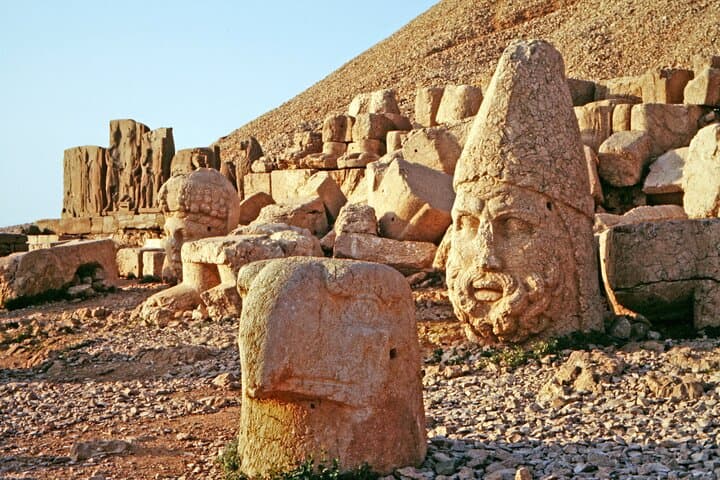
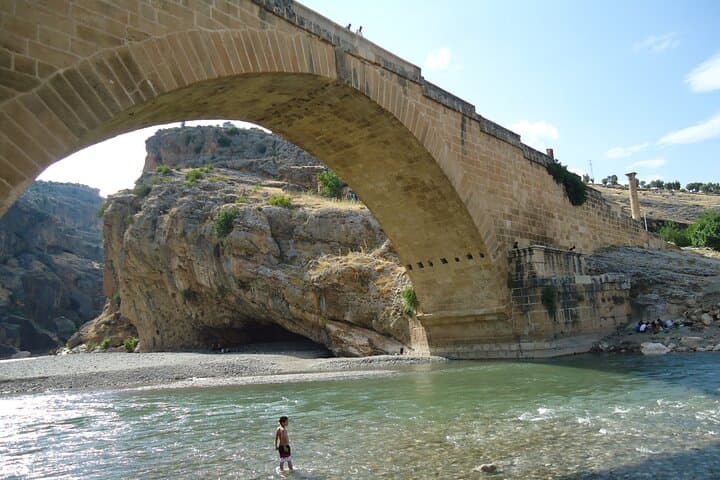
You step out of the van as a cool highland wind pushes over the plateau, and the stone faces of Mount Nemrut loom like a crowd turned to watch the sunset. The route threads through olive groves and scrubby hills, pauses at a Roman bridge spanning a slow lake, and climbs toward ancient terraces where colossal heads stare across an arid horizon.
Verified experiences and guided adventures in the surrounding area.
Operated by Blue Bosphorus Tours · Kahta, Adıyaman Province
You step out of the van as a cool highland wind pushes over the plateau, and the stone faces of Mount Nemrut loom like a crowd turned to watch the sunset. The route threads through olive groves and scrubby hills, pauses at a Roman bridge spanning a slow lake, and climbs toward ancient terraces where colossal heads stare across an arid horizon.
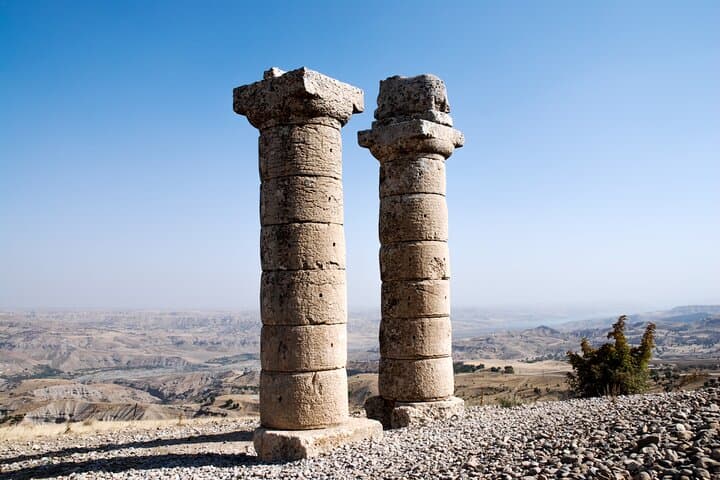
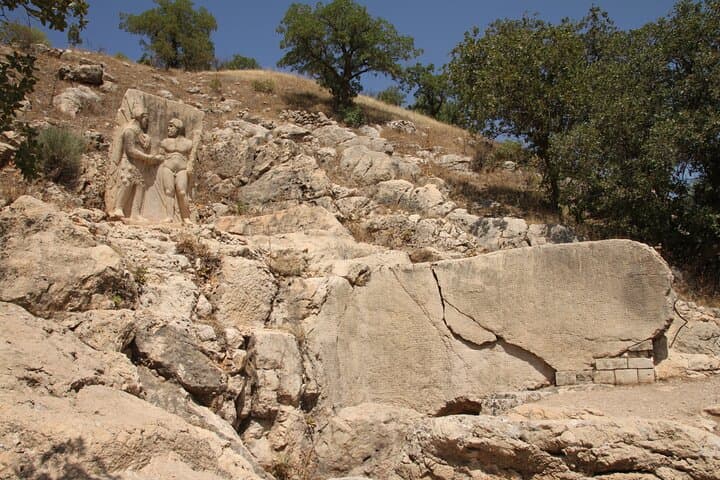
This day tour traces the Kingdom of Commagene — a Hellenistic crossroads where Persian, Greek and Roman influences braided together. At Cendere the Severan Bridge still bears 2nd‑century masonry; Arsemia’s carved inscriptions and nymphaeum speak to a ritual landscape once used by Antiochus I. Mount Nemrut itself is a geological cap of limestone and conglomerate, its summit shaped by uplift and erosion to create a dramatic vantage that frames the statues and royal tumulus.
Local culture is straightforward and hospitable: expect strong Turkish coffee, regional honey, and a lakeside lunch. The tour’s rhythm alternates gentle walks between archaeological clusters and short drives across rural Adıyaman.
Practical notes: the Nemrut summit sits above 2,100 m so weather changes fast — mornings and evenings are crisp even in summer. Paths on the eastern and western terraces are uneven rock and loose scree; allow two hours to explore the statues and terraces. Bring layered clothing, sun protection, and comfortable boots. If you want sunset light on the faces, time your arrival to the western terrace about 60–90 minutes before dusk. Guides handle permits and parking; you’ll mainly be responsible for footwear, water, and pacing to enjoy both ruins and panorama.
moderate.
6–8 hours.
Moderate fitness: short hikes, standing and walking on uneven terrain at altitude; able to climb stairs and short slopes.
Yes — door‑to‑door transport between pickup point and sites is included; driving between stops takes several hours overall.
The terraces require short walks on uneven stone and some steps; allow 60–120 minutes to explore at a relaxed pace.
The tour description states admission is included for listed sites; confirm with your operator when booking.
Early morning and late afternoon provide the warmest light; sunset on the western terrace is especially dramatic.
The route follows the Kingdom of Commagene’s ceremonial landscape (1st century BCE–1st century CE); Antiochus I fused Persian and Hellenistic motifs in the monumental sculptures.
Mount Nemrut is a UNESCO World Heritage Site; visitors should stay on designated paths, avoid climbing statues, and follow local guidance to limit erosion and preserve stonework.
Blue Bosphorus Tours operates guided outdoor trips and adventures with an emphasis on safety, stewardship, and memorable experiences.
You step out of the van as a cool highland wind pushes over the plateau, and the stone faces of Mount Nemrut loom like a crowd turned to watch the sunset. The route threads through olive groves and scrubby hills, pauses at a Roman bridge spanning a slow lake, and climbs toward ancient terraces where colossal heads stare across an arid horizon.
You step out of the van as a cool highland wind pushes over the plateau, and the stone faces of Mount Nemrut loom like a crowd turned to watch the sunset. The route threads through olive groves and scrubby hills, pauses at a Roman bridge spanning a slow lake, and climbs toward ancient terraces where colossal heads stare across an arid horizon.
This day tour traces the Kingdom of Commagene — a Hellenistic crossroads where Persian, Greek and Roman influences braided together. At Cendere the Severan Bridge still bears 2nd‑century masonry; Arsemia’s carved inscriptions and nymphaeum speak to a ritual landscape once used by Antiochus I. Mount Nemrut itself is a geological cap of limestone and conglomerate, its summit shaped by uplift and erosion to create a dramatic vantage that frames the statues and royal tumulus.
Local culture is straightforward and hospitable: expect strong Turkish coffee, regional honey, and a lakeside lunch. The tour’s rhythm alternates gentle walks between archaeological clusters and short drives across rural Adıyaman.
Practical notes: the Nemrut summit sits above 2,100 m so weather changes fast — mornings and evenings are crisp even in summer. Paths on the eastern and western terraces are uneven rock and loose scree; allow two hours to explore the statues and terraces. Bring layered clothing, sun protection, and comfortable boots. If you want sunset light on the faces, time your arrival to the western terrace about 60–90 minutes before dusk. Guides handle permits and parking; you’ll mainly be responsible for footwear, water, and pacing to enjoy both ruins and panorama.