THE ADVENTURE COLLECTIVE® · Independent discovery and booking for outdoor travel

Swap crowded buses for a private Mercedes V‑Class and spend a day chasing karst springs, Ottoman bridges, and a 25m curtain of water. This VIP day trip from Dubrovnik links Kravice, Mostar and Blagaj with comfort, local insight, and time to swim.
Swap crowded buses for a private Mercedes V‑Class and spend a day chasing karst springs, Ottoman bridges, and a 25m curtain of water. This VIP day trip from Dubrovnik links Kravice, Mostar and Blagaj with comfort, local insight, and time to swim.
The day begins before dawn in Dubrovnik as a Mercedes V‑Class threads the coastal ribbon toward inland karst—leather seats, AC, and a driver who folds history into the route like a map. By midmorning the Trebižat River is already calling: Kravice’s curtain of water dares you to wade beneath its 25m drop, emerald pools edged in travertine where swimmers drift between small cliffs.
Verified experiences and guided adventures in the surrounding area.
Operated by Adriatic Explore d.o.o. · Mostar, Herzegovina-Neretva Canton
The day begins before dawn in Dubrovnik as a Mercedes V‑Class threads the coastal ribbon toward inland karst—leather seats, AC, and a driver who folds history into the route like a map. By midmorning the Trebižat River is already calling: Kravice’s curtain of water dares you to wade beneath its 25m drop, emerald pools edged in travertine where swimmers drift between small cliffs.
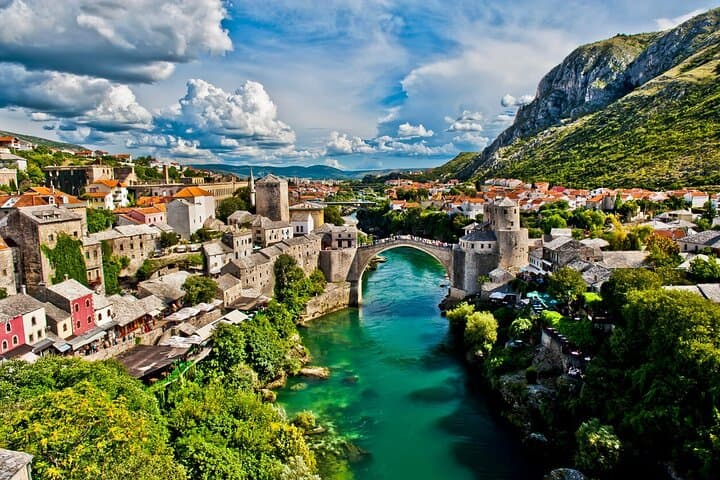
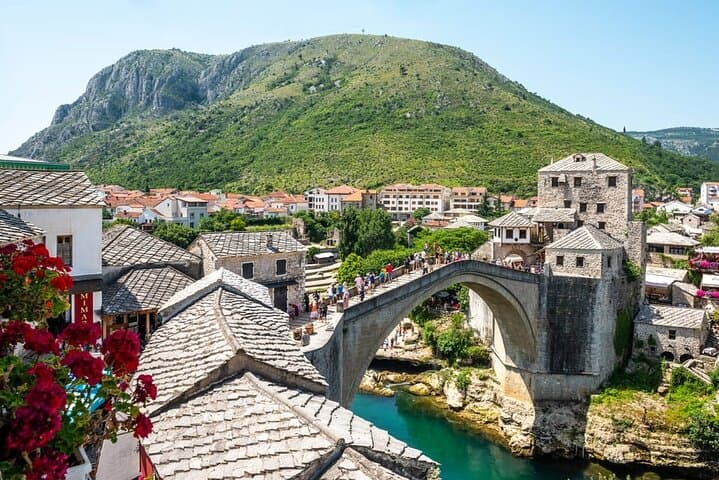
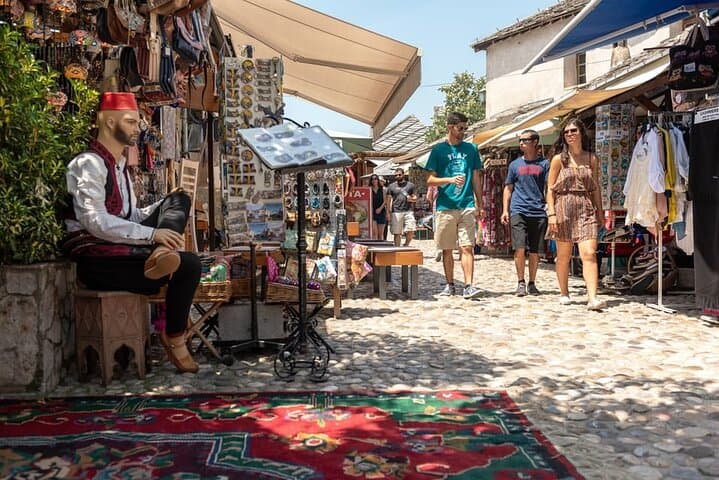
Mostar arrives next: cobbled alleys, the lean arch of Stari Most, and the market stalls selling copper and coffee. The bridge is both an architectural feat—built under Ottoman rule in the 16th century—and a modern symbol, rebuilt after the 1990s war. Culture here is visible in the mosque minarets, riverside cafés, and the cliff divers who launch themselves into the Neretva like a ritual.
Blagaj slows the day. The Buna springs push from a cave beneath a cliff where a 16th‑century Dervish tekija sits in contemplative hush; the water feels alive, shaping terraces and whispering against stone.
Practical edge: this is a full 10‑hour day, with short walks on uneven cobbles and a 10€ entrance fee for Kravice (cash useful). Expect border checks when crossing from Croatia into Bosnia—priority lanes can shave time, but passports are required. Wear grippy footwear for wet, rocky paths; pack a swimsuit and quick‑dry towel if you plan to swim; and bring layered clothing—coastal mornings can be cool while inland sun is hot.
Timing matters: arrive early at Kravice to avoid crowds, save cash for small vendors, and leave phones in a dry pocket for waterfalls and wet rocks. The route combines geology, Ottoman history, and a river that insists you pay attention.
easy.
10 hours.
Suitable for most fitness levels; requires short walks on uneven surfaces and standing during sightseeing
Yes. The route crosses the Croatia–Bosnia and Herzegovina border; everyone must carry a valid passport.
Yes—swimming is permitted and there is an entry fee (around €10); fees and rules can change seasonally, so bring cash and a swimsuit.
Lunch is typically not included; the itinerary stops in Mostar where riverside restaurants offer local fare—cash and card options vary by vendor.
Expect short, easy walks: a riverside stroll in Mostar, a brief walk from the parking area to Kravice pools, and a short path to the Blagaj spring.
Stari Most was originally built in the 16th century by Ottoman architects and rebuilt in 2004 after wartime destruction; Blagaj’s tekija dates to the same Ottoman period and sits above the Buna spring.
Kravice’s travertine formations are sensitive to visitor pressure—stick to marked paths, avoid littering, and respect swimming restrictions to protect water quality.
Adriatic Explore d.o.o. operates guided outdoor trips and adventures with an emphasis on safety, stewardship, and memorable experiences.
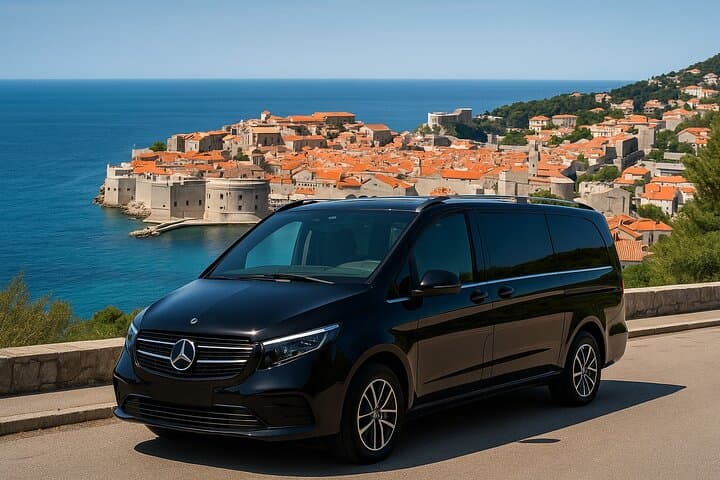
The day begins before dawn in Dubrovnik as a Mercedes V‑Class threads the coastal ribbon toward inland karst—leather seats, AC, and a driver who folds history into the route like a map. By midmorning the Trebižat River is already calling: Kravice’s curtain of water dares you to wade beneath its 25m drop, emerald pools edged in travertine where swimmers drift between small cliffs.
The day begins before dawn in Dubrovnik as a Mercedes V‑Class threads the coastal ribbon toward inland karst—leather seats, AC, and a driver who folds history into the route like a map. By midmorning the Trebižat River is already calling: Kravice’s curtain of water dares you to wade beneath its 25m drop, emerald pools edged in travertine where swimmers drift between small cliffs.
Mostar arrives next: cobbled alleys, the lean arch of Stari Most, and the market stalls selling copper and coffee. The bridge is both an architectural feat—built under Ottoman rule in the 16th century—and a modern symbol, rebuilt after the 1990s war. Culture here is visible in the mosque minarets, riverside cafés, and the cliff divers who launch themselves into the Neretva like a ritual.
Blagaj slows the day. The Buna springs push from a cave beneath a cliff where a 16th‑century Dervish tekija sits in contemplative hush; the water feels alive, shaping terraces and whispering against stone.
Practical edge: this is a full 10‑hour day, with short walks on uneven cobbles and a 10€ entrance fee for Kravice (cash useful). Expect border checks when crossing from Croatia into Bosnia—priority lanes can shave time, but passports are required. Wear grippy footwear for wet, rocky paths; pack a swimsuit and quick‑dry towel if you plan to swim; and bring layered clothing—coastal mornings can be cool while inland sun is hot.
Timing matters: arrive early at Kravice to avoid crowds, save cash for small vendors, and leave phones in a dry pocket for waterfalls and wet rocks. The route combines geology, Ottoman history, and a river that insists you pay attention.