THE ADVENTURE COLLECTIVE® · Independent discovery and booking for outdoor travel

Fly from Sharm El Sheikh to Luxor in a single day to visit Karnak, Luxor Temple, Hatshepsut’s mortuary temple and the Valley of the Kings. This private VIP tour includes flights, entry fees, lunch and an Egyptologist guide to make the most of a fast-paced cultural day.
Fly from Sharm El Sheikh to Luxor in a single day to visit Karnak, Luxor Temple, Hatshepsut’s mortuary temple and the Valley of the Kings. This private VIP tour includes flights, entry fees, lunch and an Egyptologist guide to make the most of a fast-paced cultural day.
Before dawn your guide collects you in Sharm El Sheikh and the day snaps into motion: a private transfer to the domestic terminal, a short flight south, and by midmorning you step into Luxor’s sun-washed avenues where stone giants and avenue pylons shape the skyline.
Verified experiences and guided adventures in the surrounding area.
Operated by Bastet Travel · Luxor, Luxor Governorate
Before dawn your guide collects you in Sharm El Sheikh and the day snaps into motion: a private transfer to the domestic terminal, a short flight south, and by midmorning you step into Luxor’s sun-washed avenues where stone giants and avenue pylons shape the skyline.
This one-day loop covers core Theban highlights—Karnak’s columned halls, Luxor Temple’s processional axis, the Valley of the Kings’ burial chambers, Hatshepsut’s tiered mortuary temple at Deir el-Bahari, and the Colossi of Memnon. Geologically the west bank’s limestone cliffs carve a stark backdrop to the Nile floodplain; temples are built from quarried sandstone and limestone that age to ochre under the sun. Culturally, a licensed Egyptologist guides the narrative—pharaonic ritual, royal cartouches, and the imperial ambitions that produced these complexes.
Expect a brisk pace: the itinerary is designed to maximize monuments in a 10–12 hour window with included entry fees, bottled water and lunch. Walks are on uneven stone, stairways and paved courtyards; shade is intermittent. Practical notes: carry your passport (a copy is required at booking), wear sturdy closed shoes, sun protection, and bring small local cash for tips. Security checks at sites are routine and photo rules vary—ask your guide. The early start rewards you with cooler light and fewer crowds; plan your rest that evening. For travelers based in Sharm, this is an efficient way to compress Luxor’s essential history into a single, expertly guided day.
easy.
10–12 hours.
Suitable for most fitness levels; requires mobility for walking on stone surfaces and short staircases
Domestic flights are short—typically around 1–1.5 hours each way—reducing overland travel time and allowing a full day of site visits.
Yes—this VIP day includes entry fees to listed sites and one lunch at a local restaurant, as stated in the itinerary.
Infants are accepted but must sit on an adult’s lap on flights; strollers are usable but some sites have stairs that limit access.
Tipping is customary in Egypt; bring small local bills to tip your Egyptologist guide, driver, and any porters if you use them.
Luxor sits on the site of ancient Thebes, a political and religious center of Egypt’s New Kingdom; many surviving structures date from the 18th–19th Dynasties (c.1550–1069 BCE).
Visitor pressure, urban expansion, and salt weathering threaten fragile stonework; follow guide instructions, avoid touching reliefs, and use marked paths to reduce impact.
Bastet Travel operates guided outdoor trips and adventures with an emphasis on safety, stewardship, and memorable experiences.
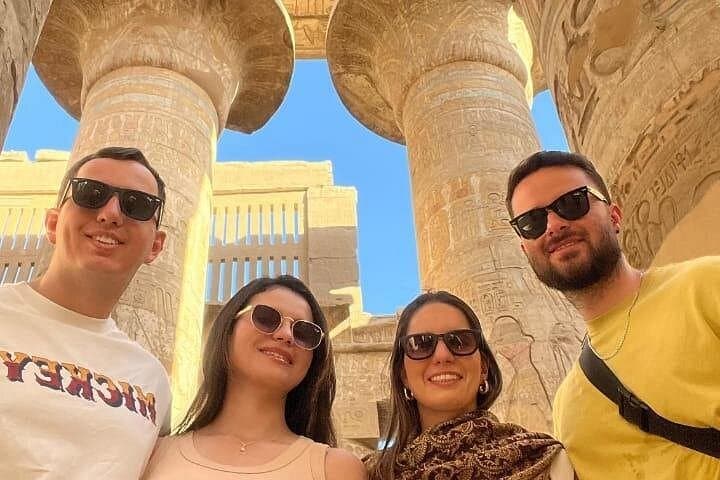
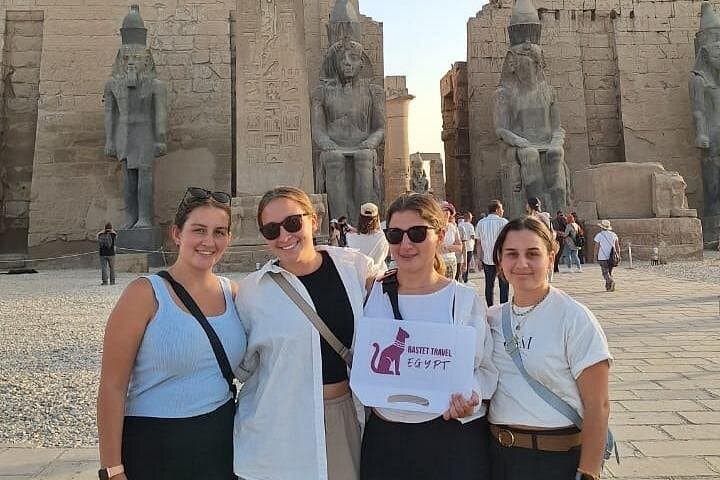


Before dawn your guide collects you in Sharm El Sheikh and the day snaps into motion: a private transfer to the domestic terminal, a short flight south, and by midmorning you step into Luxor’s sun-washed avenues where stone giants and avenue pylons shape the skyline.
Before dawn your guide collects you in Sharm El Sheikh and the day snaps into motion: a private transfer to the domestic terminal, a short flight south, and by midmorning you step into Luxor’s sun-washed avenues where stone giants and avenue pylons shape the skyline.
This one-day loop covers core Theban highlights—Karnak’s columned halls, Luxor Temple’s processional axis, the Valley of the Kings’ burial chambers, Hatshepsut’s tiered mortuary temple at Deir el-Bahari, and the Colossi of Memnon. Geologically the west bank’s limestone cliffs carve a stark backdrop to the Nile floodplain; temples are built from quarried sandstone and limestone that age to ochre under the sun. Culturally, a licensed Egyptologist guides the narrative—pharaonic ritual, royal cartouches, and the imperial ambitions that produced these complexes.
Expect a brisk pace: the itinerary is designed to maximize monuments in a 10–12 hour window with included entry fees, bottled water and lunch. Walks are on uneven stone, stairways and paved courtyards; shade is intermittent. Practical notes: carry your passport (a copy is required at booking), wear sturdy closed shoes, sun protection, and bring small local cash for tips. Security checks at sites are routine and photo rules vary—ask your guide. The early start rewards you with cooler light and fewer crowds; plan your rest that evening. For travelers based in Sharm, this is an efficient way to compress Luxor’s essential history into a single, expertly guided day.